
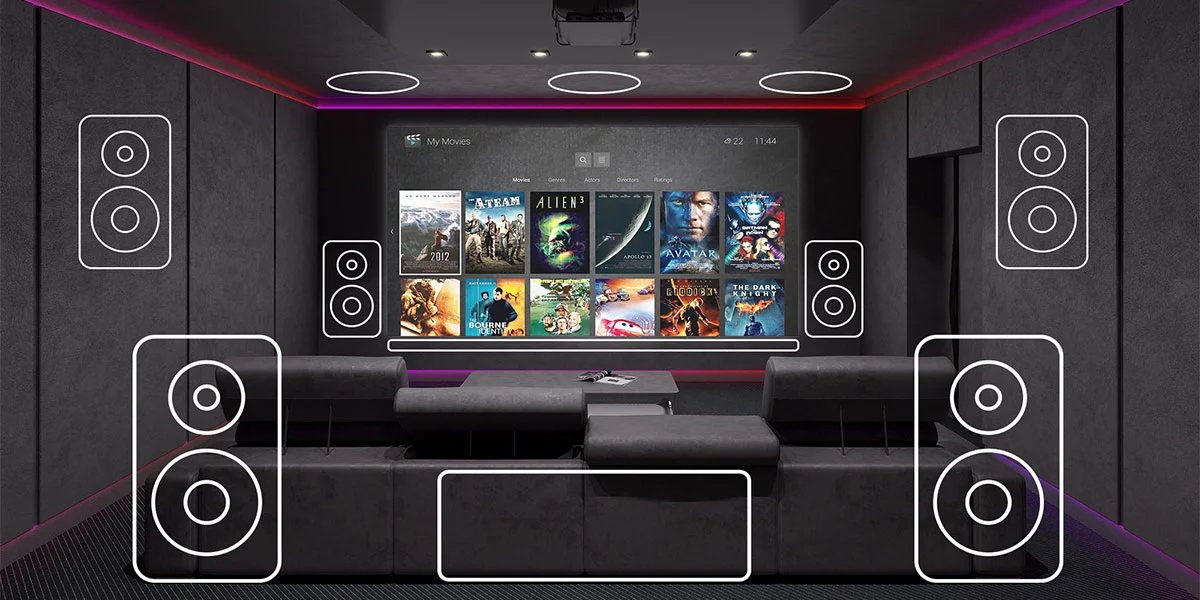

A home smart entertainment system can be built on a budget using Tier 2 friendly devices and careful component selection. The main keyword appears here naturally as this guide explains how to set up a smart entertainment system step by step with practical price points and reliable device combinations.
Building a Smart Entertainment Setup for Small Homes
This topic is evergreen and benefits from an educational tone focused on clarity and real product categories. A budget friendly setup depends on selecting a capable smart TV or streaming stick, an entry level soundbar, stable home WiFi and optional accessories that improve daily convenience without increasing cost. Tier 2 users often prioritise reliability, easy installation and long term support. Devices in the 15000 to 25000 rupee range now deliver strong performance for streaming, casual gaming and family use. A good benchmark is choosing components that work offline when needed and support at least three major OTT apps.
Smart TV and Streaming Device Options with Price Points
The first major decision involves choosing a smart TV or a separate streaming device. In Tier 2 markets, many households prefer smart TVs around 32 inches due to room size and electricity efficiency. Reliable options usually cost between 13000 and 18000 rupees and include basic Android TV interfaces with built in Chromecast and access to major OTT apps. For users with older TVs, a streaming stick is a more economical upgrade. Sticks from established brands typically fall between 3000 and 4500 rupees and support full HD streaming with voice control. For example, pairing a 32 inch Android TV with a 3500 rupee streaming stick creates redundancy and ensures smooth performance even if the TV’s built in software slows over time. This approach provides flexibility without raising the initial budget.
Selecting a Soundbar and Audio Setup for Tier 2 Rooms
Audio quality lifts the overall entertainment experience and can be improved even on a modest budget. Entry level soundbars priced between 2500 and 5000 rupees offer significant improvements over basic TV speakers. Most of these models support Bluetooth and optical inputs, which simplifies installation and avoids compatibility issues. For small rooms common in Tier 2 homes, a compact 2.1 soundbar with a built in subwoofer is sufficient. Users should place the soundbar directly below the TV and avoid corners that distort audio. A stable WiFi environment enhances smart audio features but is not mandatory for basic playback. Selecting a soundbar with a dedicated remote also helps older family members operate the system without relying on smartphone controls.
Positioning and Connectivity for a Stable Setup
Connectivity planning is essential for a smart entertainment system. A budget friendly router with dual band capability usually costs around 1500 to 2500 rupees and supports smooth streaming for multiple devices. Position the router in an open central area for consistent signal strength. For smart TVs, a wired connection using an ethernet cable improves stability, especially in homes with thick walls that weaken WiFi signals. Cable management should use low cost clips or sleeves that prevent clutter around the entertainment unit. Many Tier 2 homes have metal grills near windows which can interfere with wireless signals, so placing the router away from such areas helps maintain consistent performance.
Adding Smart Accessories for Convenience
Smart accessories enhance the system without major cost increases. A universal smart remote priced between 1200 and 1800 rupees allows users to control TV, soundbar and streaming stick using a single interface. Smart plugs costing around 800 rupees automate device power cycles and protect electronics from voltage fluctuations common in some Tier 2 regions. LED light strips priced around 500 rupees can be added behind the TV to reduce eye strain and create a theatre style viewing experience. These accessories are optional but add tangible convenience and aesthetics. Users should ensure compatibility with their chosen smart ecosystem to avoid fragmented controls across multiple apps.
Step by Step Setup for Maximum Value
The setup process follows a simple flow. First, place the TV on a stable stand or wall mount at eye level. Second, connect the streaming stick and complete software updates before installing OTT apps. Third, place the soundbar under the TV, connect it via optical or HDMI ARC and adjust audio settings based on room size. Fourth, configure the WiFi router and run a speed test to confirm stable bandwidth. Fifth, add optional accessories and link everything through a single app for easy management. Regularly update device software to maintain performance and security. This structured approach ensures the system remains reliable for at least three to four years without significant upgrades.
Takeaways
A smart entertainment system can be built under a modest budget using carefully selected devices.
Streaming sticks and entry level soundbars add high value without increasing complexity.
Proper placement of routers and audio devices improves performance in small rooms.
Smart accessories enhance convenience and integrate well with budget setups.
FAQs
Q1. How much should a complete budget smart entertainment setup cost
A. A reliable setup usually falls between 20000 and 30000 rupees depending on the TV size and accessories selected.
Q2. Do I need a high speed internet plan for smart entertainment
A. A 30 to 50 Mbps broadband plan is sufficient for HD streaming and works well in most Tier 2 homes.
Q3. Can older non smart TVs be used in this setup
A. Yes. A streaming stick instantly converts any HDMI capable TV into a smart TV, keeping overall costs low.
Q4. What is the recommended room size for a 32 inch budget TV
A. Rooms measuring 8 to 12 feet provide an ideal viewing distance for 32 inch displays.