
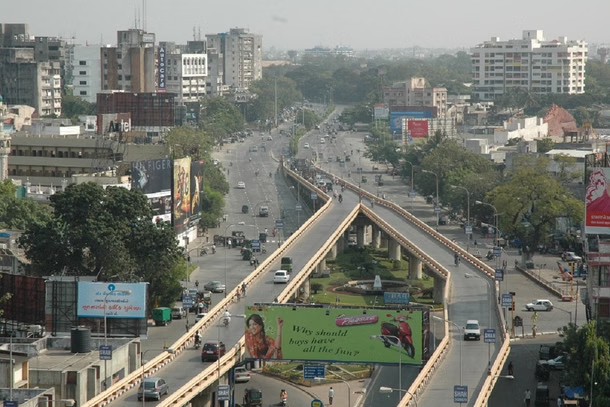

Smart City Projects Phase 2 in Nagpur, Indore, and Surat marks the next stage of urban transformation in India. With a focus on digital infrastructure, mobility, and sustainability, these cities are expanding earlier initiatives under the national smart city program.
Smart City Projects Phase 2 in Nagpur, Indore, and Surat reflects a continued push under the Smart Cities Mission to improve urban living standards. This phase builds on infrastructure created in Phase 1 and aims to scale solutions across larger parts of each city.
What Smart City Phase 2 Means for Urban Development
Phase 2 of the smart city program focuses on expanding successful pilot projects to full city scale. Earlier efforts were limited to specific zones, often called Area-Based Development projects.
Now, cities are integrating smart traffic systems, surveillance networks, and digital governance tools across wider urban areas. The goal is to make services more accessible to a larger population rather than confined to select localities.
This shift indicates a move from experimentation to implementation at scale.
Key Developments in Nagpur Smart City Expansion
Nagpur has emerged as a key example of integrated urban planning. In Phase 2, the city is focusing on expanding intelligent traffic management systems and public safety networks.
Command and control centers developed earlier are being upgraded to handle more data inputs. These systems monitor traffic flow, emergency response, and civic services in real time.
Nagpur is also investing in electric mobility infrastructure, including charging stations and e-bus integration, aligning with broader sustainability goals.
Indore Focuses on Cleanliness and Digital Governance
Indore, known for its consistent top ranking in cleanliness surveys, is using Phase 2 to strengthen waste management and digital governance systems.
The city is expanding door-to-door waste collection tracking and integrating data into central dashboards. This improves efficiency and accountability in municipal services.
Indore is also enhancing citizen service platforms, allowing residents to access services online with minimal physical interaction. This includes property tax payments, grievance redressal, and utility management.
Surat Expands Infrastructure and Flood Management Systems
Surat’s Phase 2 strategy focuses heavily on infrastructure resilience, especially flood management. Given the city’s history of flooding, smart monitoring systems are being deployed to track water levels and predict risks.
The city is also upgrading public transport systems and expanding surveillance networks for better urban management. Textile and diamond industries, which drive Surat’s economy, benefit from improved logistics and connectivity.
Digital solutions are being integrated into urban planning to support long-term growth.
Role of Technology in Smart City Phase 2 Projects
Technology is central to Phase 2 implementation. Internet of Things devices, data analytics, and cloud-based systems are being used to improve city operations.
Integrated command centers act as the backbone of these systems. They collect data from multiple sources and enable faster decision-making by authorities.
Mobile applications and online platforms are also being enhanced to improve citizen engagement and service delivery.
Impact on Residents and Local Businesses
For residents, Phase 2 brings improved public services, reduced travel time, and better safety. Smart traffic systems help reduce congestion, while digital platforms simplify access to government services.
Local businesses benefit from improved infrastructure and connectivity. Efficient logistics and reliable utilities create a more favorable business environment.
In Tier-2 cities like Nagpur, Indore, and Surat, these improvements can attract new investments and support economic growth.
Challenges in Implementing Smart City Phase 2
Despite progress, challenges remain in scaling smart solutions across entire cities. Funding constraints, coordination between departments, and maintenance of technology systems are key concerns.
There is also a need for digital literacy among citizens to fully utilize smart services. Ensuring data privacy and security is another important aspect as cities become more connected.
Addressing these challenges will determine the long-term success of Phase 2 initiatives.
What Lies Ahead for Smart Cities in India
Phase 2 signals a shift towards more integrated and citizen-centric urban development. The focus is on sustainability, efficiency, and inclusivity.
As more cities adopt similar models, the smart city framework could become a standard approach to urban planning in India. Continued investment and policy support will be crucial for sustaining momentum.
The developments in Nagpur, Indore, and Surat offer a glimpse into how mid-sized cities can evolve into modern urban centers.
Takeaways
- Phase 2 expands smart solutions from pilot zones to entire cities
- Nagpur, Indore, and Surat are focusing on infrastructure and digital services
- Technology integration is central to improving urban management
- Challenges include funding, coordination, and digital adoption
FAQs
1. What is Smart City Phase 2 in India?
It is the expansion of smart infrastructure and digital services across larger urban areas.
2. Which cities are part of Phase 2 developments?
Cities like Nagpur, Indore, and Surat are actively implementing Phase 2 projects.
3. How do smart city projects benefit residents?
They improve public services, reduce congestion, and enhance safety.
4. What are the main challenges in smart city implementation?
Funding, coordination, and technology maintenance are key challenges.