
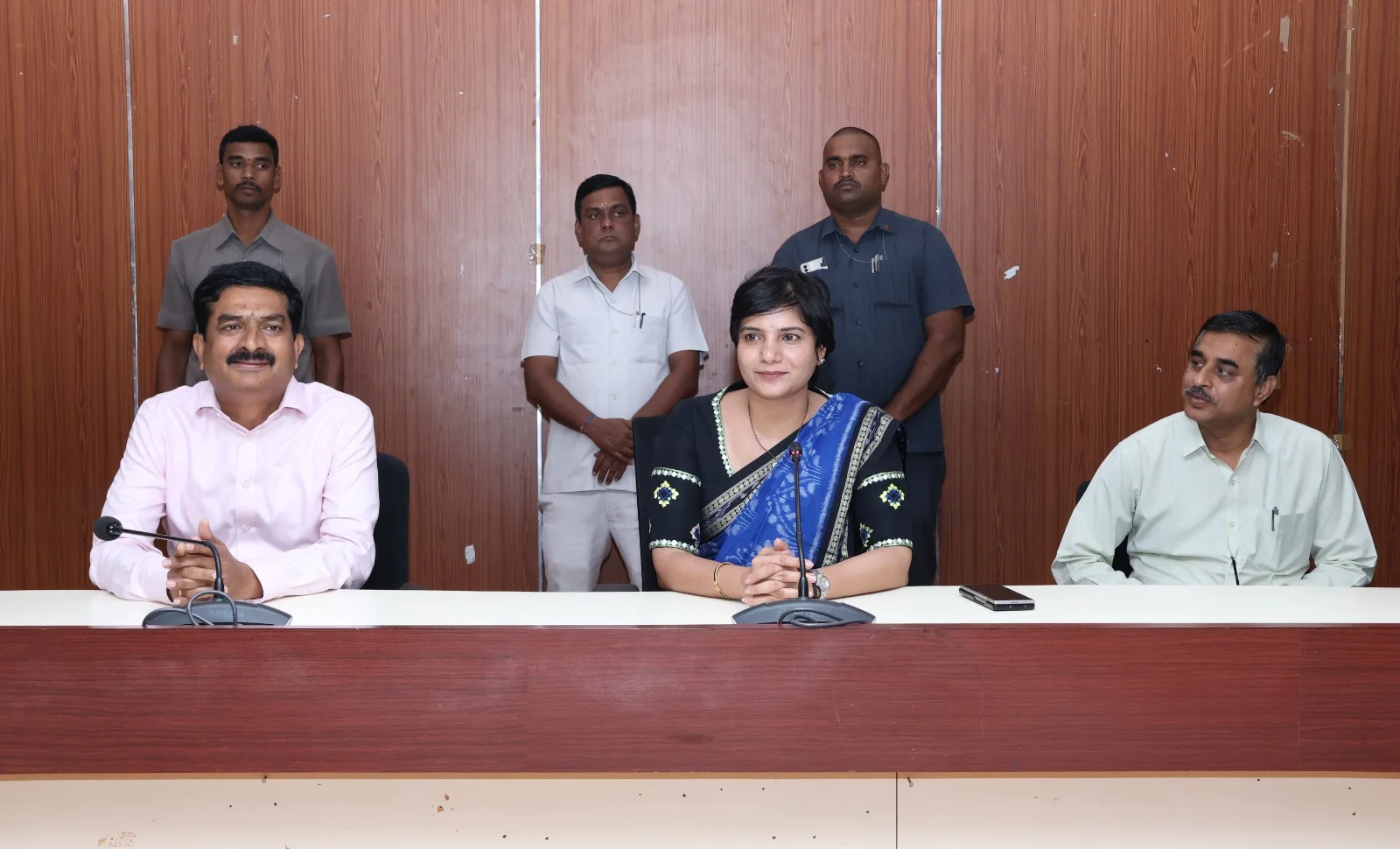

Several state governments are strengthening administrative oversight by conducting district collector performance reviews. These evaluations aim to improve governance, monitor development projects, and ensure faster delivery of public services across districts, especially in rural and semi urban regions.
State governments are increasingly conducting district collector performance reviews to strengthen local administration and improve governance outcomes. District collectors play a central role in implementing government policies, managing law and order, and supervising development programs at the district level. By reviewing the performance of these officers regularly, state administrations aim to identify gaps in service delivery and accelerate the execution of key welfare and infrastructure projects.
Role of District Collectors in Local Administration
District collectors serve as the highest administrative authority in a district and act as a crucial link between state governments and local communities. Their responsibilities include supervising revenue administration, coordinating development schemes, and maintaining public order.
Collectors also oversee the implementation of major government programs such as rural employment schemes, food distribution systems, and housing initiatives. Because many welfare programs are executed at the district level, the efficiency of the district administration significantly influences how effectively these schemes reach citizens.
Performance reviews allow state governments to evaluate how collectors manage these responsibilities. By analyzing project implementation data, public grievance records, and departmental reports, authorities can measure the effectiveness of district leadership.
District collector performance reviews have therefore become an important administrative tool for improving governance.
Why State Governments Are Increasing Performance Evaluations
Many state governments have recently increased the frequency of district collector reviews to ensure that development targets are met within scheduled timelines. Large scale government programs require coordination between multiple departments, and delays often occur when local administrative systems face bottlenecks.
Performance evaluations allow senior officials to monitor progress on infrastructure projects, public welfare schemes, and rural development initiatives. These reviews also help identify districts where administrative intervention is required.
Some states conduct monthly or quarterly review meetings where collectors present updates on project implementation. During these meetings, chief secretaries or chief ministers often assess progress on key development indicators such as road construction, healthcare access, and school infrastructure.
Regular monitoring creates accountability and encourages district administrations to resolve operational challenges more quickly.
Key Metrics Used in District Collector Performance Reviews
State governments evaluate district collectors using several administrative performance indicators. One major factor is the progress of government development schemes in the district.
Officials examine whether programs related to agriculture support, housing, sanitation, and rural employment are being implemented according to policy guidelines. Data from government portals and field reports is used to measure the coverage of these schemes.
Another important metric is grievance redressal. District administrations receive complaints from citizens regarding land disputes, public services, or delays in welfare benefits. Efficient resolution of these complaints reflects the responsiveness of the district administration.
Law and order management is also evaluated. Collectors coordinate with police authorities to maintain public safety during elections, festivals, and emergencies. Effective crisis management during floods, droughts, or public health challenges is another key aspect of performance assessment.
Impact of Administrative Reforms on Local Governance
District collector performance reviews are part of broader administrative reforms aimed at improving governance quality. By closely monitoring district level leadership, state governments seek to ensure that policies translate into real outcomes for citizens.
In many states, digital governance platforms have strengthened these monitoring processes. Government dashboards allow senior officials to track district level data in real time. This technology driven approach helps detect delays or irregularities quickly.
These reforms are particularly important for Tier 2 and Tier 3 districts where development challenges may be more complex. Infrastructure gaps, rural poverty, and limited access to services require strong district administration.
When collectors receive clear targets and regular feedback through performance reviews, administrative efficiency can improve significantly.
Challenges in Evaluating District Administration Performance
While performance reviews provide useful oversight, evaluating district administration is not always straightforward. Each district has unique economic, social, and geographic conditions that influence development outcomes.
For example, districts affected by drought, floods, or remote terrain may face additional administrative challenges. Comparing performance between districts without considering these factors may create unrealistic expectations.
Another challenge is the availability of accurate data. Government programs rely heavily on digital reporting systems, and discrepancies in data entry can sometimes affect performance assessments.
Experts therefore recommend combining quantitative indicators with field inspections and independent audits. This approach provides a more balanced understanding of district administration performance.
Takeaways
District collectors play a central role in implementing government policies at the local level
State governments are increasing performance reviews to monitor development programs
Key evaluation metrics include scheme implementation, grievance resolution, and law and order management
Administrative reforms aim to improve governance outcomes in districts across India
FAQs
What is the role of a district collector in India
A district collector is the senior administrative officer responsible for revenue administration, development programs, and coordination of government departments at the district level.
Why are state governments reviewing collector performance
Performance reviews help state governments monitor development projects, improve public service delivery, and ensure that government schemes reach citizens efficiently.
How often do these performance reviews happen
The frequency varies by state, but many administrations conduct monthly or quarterly review meetings to evaluate district level governance.
Do these reviews affect administrative reforms
Yes. Performance reviews help identify governance gaps and guide policy decisions that improve administrative efficiency and development outcomes.