
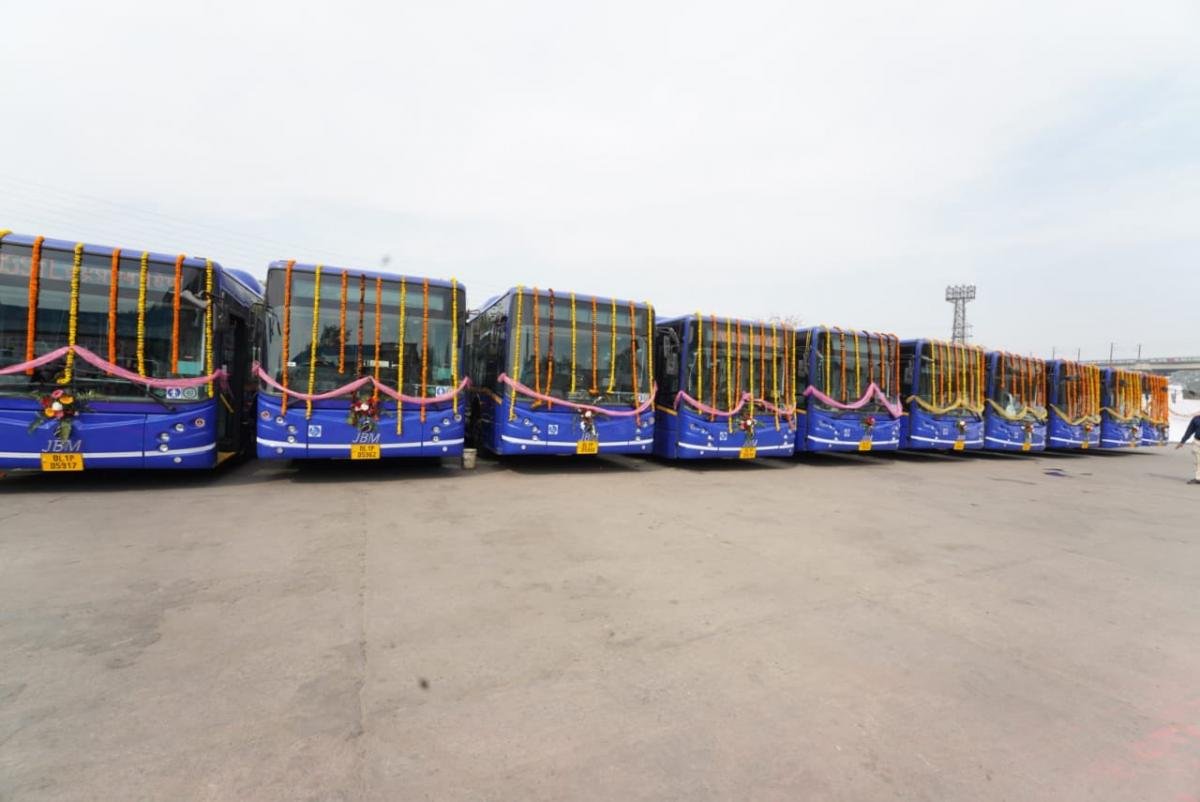

Several state transport corporations are introducing new city bus routes in Tier 2 and district-level cities to improve connectivity between residential areas, markets, colleges, and industrial zones. The initiative focuses on reducing reliance on private autos, lowering travel costs, and increasing commuter reliability, especially for students and daily wage earners.
Why New Routes Are Being Introduced
This is a news-infrastructure development topic, so the tone follows factual reporting. Recent surveys by state transport departments have shown that many mid-sized cities have grown outward faster than existing route networks. Residential colonies, educational clusters, industrial areas, wholesale markets, and newly developed suburbs often lack direct and affordable public mobility. As a result, commuters rely heavily on shared autos or personal two-wheelers, leading to traffic congestion and high fuel expenses. By adding new bus routes and increasing frequency during peak hours, state transport bodies aim to provide a structured and cost-effective alternative for daily travel, especially for middle and lower-income households.
Cities Where Major Route Changes Are Happening
Many states have started rollout phases. For example:
In Uttar Pradesh, cities like Gorakhpur, Bareilly, and Prayagraj have added new loop routes connecting railway stations to universities and marketplaces.
In Rajasthan, Jodhpur and Kota have expanded city bus operations covering newly developed residential sectors.
In Karnataka, Mysuru and Hubballi-Dharwad are integrating newer electric buses on high-density corridors.
In Tamil Nadu, Coimbatore and Madurai have added feeder routes linking bus stands with IT parks and textile industrial belts.
The pattern is similar: routes now include growing peripheral zones that earlier relied on informal or private transport.
Focus on College and Workplace Commuters
State transport maps now show direct connectivity between major colleges, coaching centers, and main city bus stations. This is aimed at reducing dependency on private vans and auto-rickshaw pooling services, which often lack predictable pricing. For working professionals, new routes connecting residential neighborhoods to industrial clusters, mid-sized corporate parks, and wholesale markets are being prioritized. Some states are offering discounted student monthly passes and QR based digital ticketing to reduce boarding time.
Adoption of Low-Floor and Electric Buses
To improve comfort and reduce pollution, several corporations are deploying low-floor CNG and electric buses on new routes where ridership is expected to be stable. EV fleets are expanding particularly in cities with Smart City funding. Charging depots have been added near large bus stands to ensure buses can complete full schedules without delays. Electric buses also produce less noise, improving travel experience in congested markets and hospital areas.
Route Frequency and Scheduling Changes
Along with new routes, frequency on certain busiest corridors has been increased to reduce waiting time. Peak hour schedules are now more standardized, with additional buses operating between 7 AM and 10 AM and again between 5 PM and 8 PM. Digital route boards, in-app live tracking, and LED bus stop displays are gradually being rolled out to reduce uncertainty for commuters. However, implementation speed varies by region depending on funding and available fleet.
How Commuters Can Check Updated Routes
Most states now display route maps on their official transport websites or mobile apps. Some also provide interactive route search features. Commuters can:
Visit the state transport website and check the “City Bus Services” section.
Use official mobile apps where available.
Check printed route charts at main bus depots or stands.
Follow official transport social media pages for announcement posts.
It is advisable to verify timings especially during the first few weeks of rollout, as minor revisions are common during stabilization.
Impact on Local Transport Ecosystem
The expansion of city bus services may reduce dependence on shared autos and private buses, especially during school and office hours. This could gradually lower traffic congestion in city centers. However, shared autos may continue to dominate narrow lanes and feeder roads where large buses cannot operate. To balance this, several states are exploring mini-bus options for last-mile connectivity.
Takeaways
• New city bus routes are being added in Tier 2 cities to improve connectivity and affordability.
• Focus areas include colleges, workplaces, residential extensions, and industrial clusters.
• Low-floor and electric buses are being introduced to improve comfort and reduce pollution.
• Commuters should check state transport websites or apps for latest route and schedule updates.
FAQs
Are the new routes available across all states
Rollouts vary by state. Many states have started phased expansion in select mid-sized cities, with more routes planned over the coming months.
Will fare prices change due to new buses
Most states are keeping fares stable. Electric and CNG fleets are being deployed without major fare hikes to encourage public adoption.
How can students avail discounted passes
Student pass application is available at main bus depots or through transport department websites. ID proof from educational institutions is required.
Do these buses operate on Sundays and holidays
Yes, but frequency may be lower on non-working days. It is recommended to check the nearest bus stand for holiday schedules.