
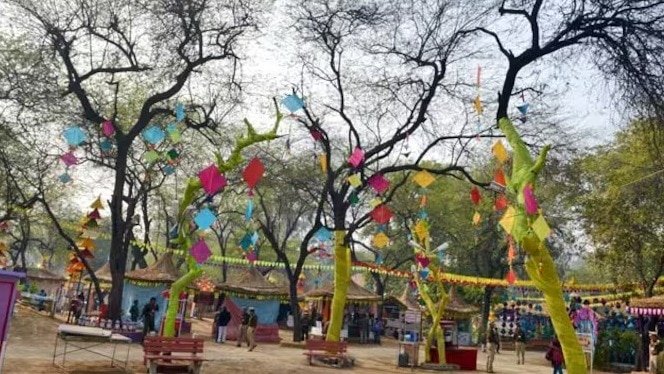

Surajkund Mela 2026 has kicked off, bringing a visible surge in economic activity and cultural exchange across Faridabad and the wider NCR region. The annual fair is influencing tourism flows, small business revenues, artisan livelihoods, and seasonal employment in surrounding urban and semi urban markets.
This article analyses the economic and cultural impact of Surajkund Mela 2026 on Faridabad and NCR small businesses, with a focus on trade, employment, tourism demand, and long term local benefits.
Why Surajkund Mela 2026 matters for Faridabad
Surajkund Mela 2026 holds special significance for Faridabad as the city hosts one of India’s largest craft and cultural fairs. The event transforms Surajkund and nearby areas into high footfall zones for nearly two weeks.
For Faridabad, the mela functions as a temporary economic engine. Hotels, transport operators, food vendors, and local retailers see a sharp rise in demand. Residential areas close to the venue experience increased rental activity for short stays and homestays.
The mela also positions Faridabad as a cultural destination rather than only an industrial city, improving its visibility within NCR and beyond.
Impact on small traders and local vendors
Small traders are among the biggest beneficiaries of Surajkund Mela 2026. Food stalls, handicraft sellers, souvenir shops, and local service providers experience peak seasonal sales during the fair period.
Many vendors report that revenues generated during the mela contribute a significant portion of their annual income. Temporary stalls allow micro entrepreneurs to test products, pricing, and customer response without long term overheads.
Local kirana stores, pharmacies, and daily utility sellers near Surajkund also benefit from increased foot traffic. The spillover effect extends beyond the mela grounds into surrounding neighbourhood markets.
Artisans and handicraft economy at the mela
The Surajkund Mela is globally recognised for its focus on traditional crafts. Artisans from across India rely on this platform to access urban consumers and bulk buyers.
For many artisans, the mela provides direct market access without intermediaries. This improves margins and helps sustain traditional craft practices. Bulk orders placed during the mela often lead to continued business after the event ends.
The exposure also supports brand building for artisan clusters. Buyers from NCR and other states establish long term supplier relationships, creating income stability beyond the fair duration.
Tourism and hospitality sector gains
Surajkund Mela 2026 has a strong impact on tourism and hospitality in Faridabad and nearby NCR cities. Hotels across Faridabad, South Delhi, and Gurugram report higher occupancy during the mela period.
Transport services including taxis, app based cabs, and local buses see increased bookings. Tour operators package mela visits with local sightseeing, extending visitor stays.
Restaurants and cafes benefit from higher weekend footfall. The mela attracts families, corporate groups, and foreign visitors, increasing average spending per visitor across the region.
Employment generation and seasonal work
The mela generates substantial short term employment. Local youth find temporary jobs in event management, security, sanitation, logistics, and hospitality services.
Small businesses hire additional staff to handle increased demand. This seasonal employment provides supplementary income for students and informal workers.
Although short term, this employment cycle injects liquidity into local economies and supports consumption in surrounding areas.
Cultural influence on local markets
Beyond economics, Surajkund Mela 2026 influences cultural consumption patterns. Exposure to regional cuisines, crafts, and performances increases demand for ethnic products in NCR markets.
Local retailers often stock craft inspired products after observing consumer interest during the mela. Restaurants introduce regional dishes inspired by mela food stalls.
This cultural spillover extends the mela’s impact beyond its physical duration and strengthens cultural appreciation among urban consumers.
Infrastructure and administrative preparedness
Hosting Surajkund Mela 2026 requires significant coordination between local administration, traffic authorities, and civic agencies. Temporary infrastructure improvements such as road repairs, lighting, and signage benefit residents even after the event.
Traffic diversions and crowd management are necessary but create temporary inconvenience. However, improved policing and emergency preparedness enhance overall safety in the area.
Such large scale events test urban readiness and often lead to incremental improvements in city management systems.
Challenges faced by small businesses
Despite benefits, small businesses also face challenges. Stall rentals and logistics costs have increased over the years, affecting profit margins for smaller vendors.
Competition among sellers is intense. Not all participants achieve equal sales, especially those located away from high traffic zones. Weather conditions and weekday footfall variations also influence outcomes.
For local residents, congestion and noise remain concerns during peak days of the mela.
Long term economic value for Faridabad and NCR
The long term value of Surajkund Mela lies in branding and repeat visitation. The event strengthens Faridabad’s identity as a cultural hub within NCR.
Consistent hosting builds institutional knowledge, attracts sponsors, and improves event quality over time. Small businesses that plan inventory, pricing, and staffing strategically can convert short term gains into sustained growth.
For NCR, the mela reinforces cultural tourism as a viable economic segment alongside corporate and retail driven growth.
What businesses can learn from Surajkund Mela 2026
Surajkund Mela 2026 highlights the power of high footfall events in supporting micro and small enterprises. Businesses that adapt quickly to consumer preferences perform better.
Data collected during the mela can guide future product launches and pricing strategies. Networking with buyers and suppliers during the event creates opportunities beyond direct sales.
Preparation, location strategy, and cost control determine success in such temporary marketplaces.
Takeaways
- Surajkund Mela 2026 significantly boosts Faridabad and NCR small businesses
- Artisans and local vendors gain direct market access and visibility
- Tourism, hospitality, and transport sectors see seasonal growth
- The mela creates both economic and cultural spillover benefits
FAQs
How long does Surajkund Mela 2026 impact local businesses?
The main impact lasts during the mela period, but networking and repeat orders extend benefits beyond the event.
Do only mela stall owners benefit economically?
No, nearby hotels, transport services, restaurants, and local shops also see increased demand.
Is the mela important for artisans?
Yes, it provides direct access to urban buyers and helps sustain traditional crafts.
Does the mela create local employment?
Yes, it generates short term jobs across event management, hospitality, and retail services.