

Procrastination is one of the most common struggles people face today, whether it’s delaying a work project, skipping a fitness plan, or putting off personal goals. Despite knowing the consequences, many still find themselves trapped in the cycle of “I’ll do it later.” The psychology behind procrastination runs deeper than simple laziness—it’s often tied to emotions, fear, and how our brains process reward and discomfort. Understanding this can help individuals take meaningful steps toward breaking the habit.
Psychologists describe procrastination as a form of self-regulation failure. It’s not about poor time management but about managing emotions linked to a task. When a job feels boring, stressful, or overwhelming, the brain naturally seeks short-term relief by avoiding it. In this sense, procrastination becomes an emotional coping mechanism—one that prioritizes temporary comfort over long-term progress.
Interestingly, the brain’s reward system plays a major role here. Instant gratifications, like scrolling through social media or watching a quick video, trigger dopamine releases, making them feel more satisfying than delayed rewards like completing a report or finishing an assignment. This neurological wiring explains why people tend to choose easier distractions, even when they know it will cost them later.
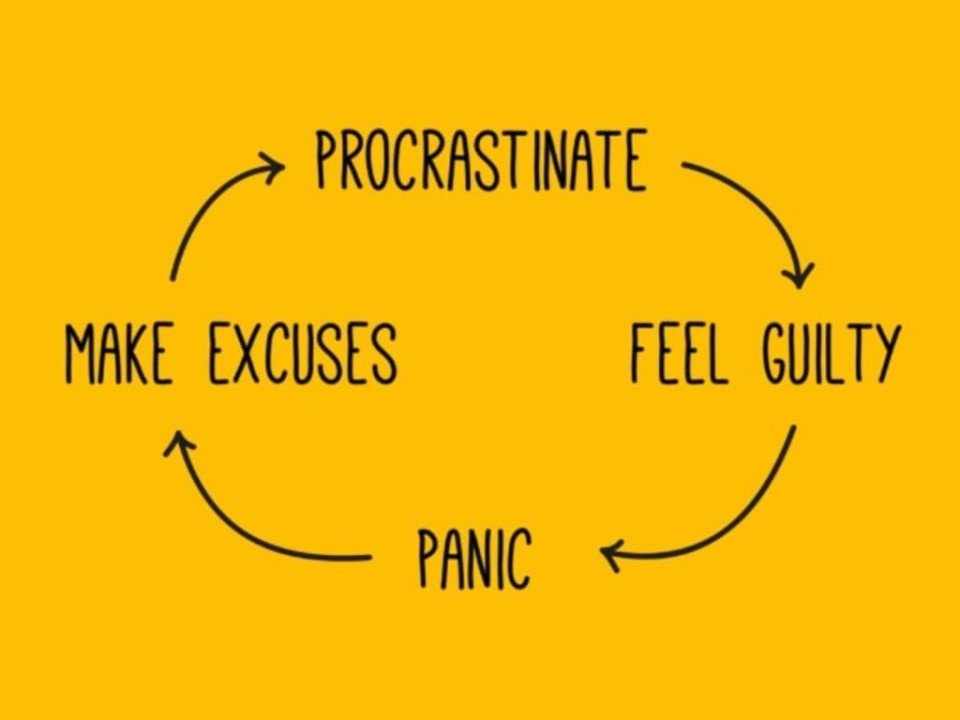
Another psychological aspect is perfectionism. Many procrastinators delay tasks because they fear not doing them perfectly. The pressure to perform well can be paralyzing, leading individuals to avoid starting altogether. This pattern is common among students, creatives, and professionals in high-stakes roles who associate self-worth with performance. The longer they delay, the higher the stress—creating a cycle of guilt and anxiety that further fuels procrastination.
In the Indian context, the growing work-from-home culture and social media exposure have intensified this behavior. For many young professionals in Tier-1 and Tier-2 cities, blurred work-life boundaries make it easy to fall into procrastination patterns. Tasks pile up, mental fatigue grows, and productivity drops, affecting both career growth and mental well-being.
However, overcoming procrastination is not about willpower alone—it’s about strategy and awareness. Experts suggest breaking large goals into smaller, manageable tasks. This reduces the sense of overwhelm and provides consistent satisfaction from completing steps along the way. Creating structure through schedules or to-do lists also helps the brain associate work with routine rather than pressure.
Another effective method is the “two-minute rule,” which encourages starting any task that takes less than two minutes immediately. Often, the hardest part of work is simply beginning. Once momentum builds, people tend to continue beyond the initial step. Equally important is identifying emotional triggers—fear of failure, boredom, or lack of interest—and addressing them through mindfulness or self-reflection rather than avoidance.
For students and working professionals alike, maintaining digital discipline is crucial. Setting limits on social media use and creating distraction-free environments can significantly improve focus. Additionally, rewarding oneself after completing tasks builds positive reinforcement, retraining the brain to associate effort with satisfaction instead of stress.
Ultimately, procrastination is less about time and more about mindset. Recognizing it as a learned behavior—and not a permanent flaw—is the first step toward change. By understanding the psychological roots and applying practical strategies, individuals can regain control over their time, energy, and mental peace. Overcoming procrastination isn’t just about getting more done—it’s about creating a more balanced and fulfilling life.