
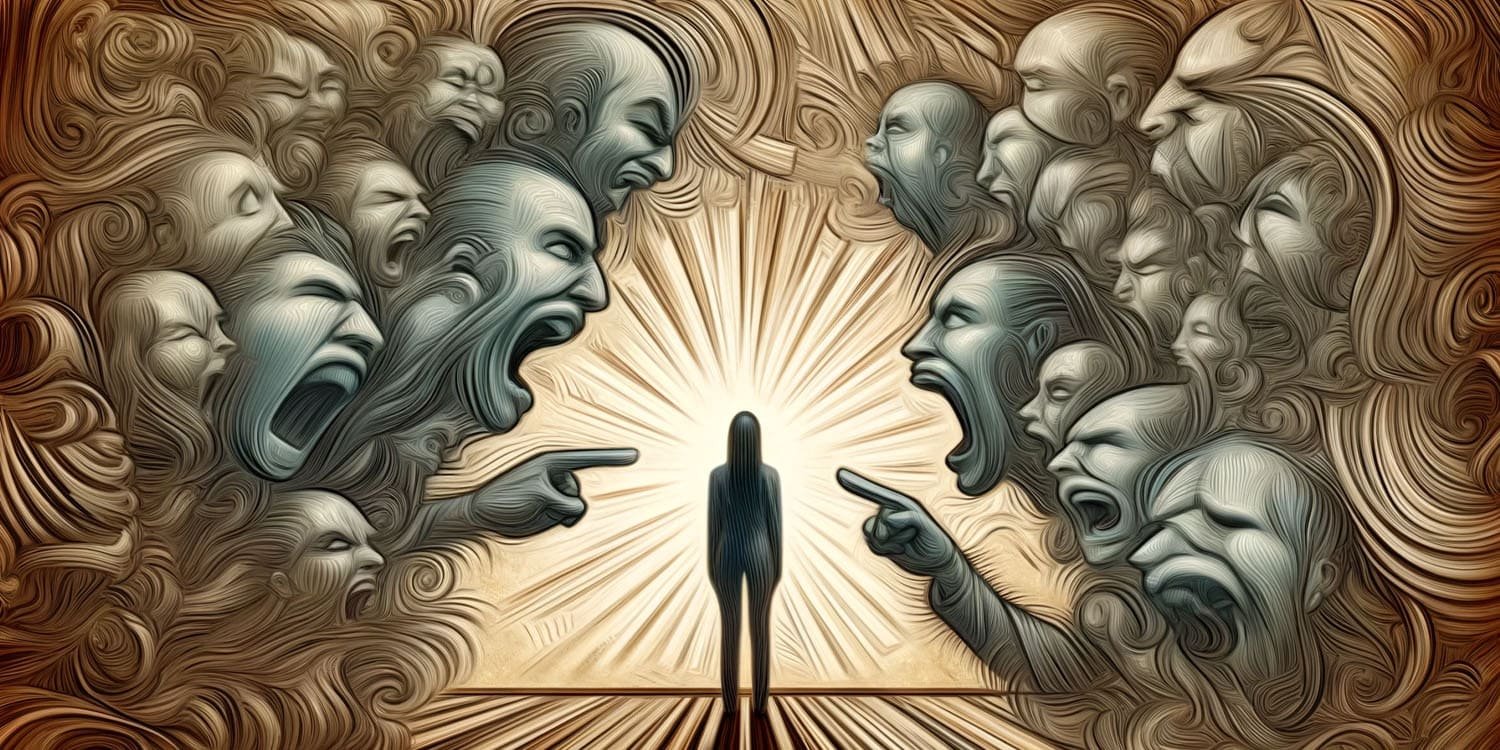

Online spaces were meant to connect people, but somewhere along the line, they turned into battlegrounds of outrage. From celebrities to ordinary users, no one is safe from trolling or the wave of cancel culture that follows a single misstep. What drives people to attack others from behind screens, and why does society seem to thrive on public shaming? The answers lie deeper in human psychology than we might think.
Trolling often stems from anonymity. When people hide behind fake profiles, they feel detached from consequences. The internet offers a sense of power — the ability to provoke reactions, gain attention, and feel seen, even through negativity. For some, it’s a release of frustration or insecurity projected onto others. For others, it’s entertainment at the expense of someone else’s dignity.
Cancel culture, on the other hand, comes with a moral undertone. It’s not just about mocking someone but about punishing perceived wrongdoing. While holding people accountable is important, the mob mentality that forms online rarely allows space for dialogue or context. One statement or mistake is enough to erase years of work, especially in India where social media outrage spreads faster than facts.
In Tier 2 cities, where digital awareness is still developing, cancel culture often mirrors popular opinion rather than informed discussion. People join online trends without fully understanding the issue, driven by the fear of being on the “wrong side.” What begins as social correction turns into a cycle of public humiliation and digital aggression.
The truth is, both trolling and cancel culture reveal a deeper need for validation. People want to belong, to be heard, to feel powerful in a space where everyone’s voice competes for attention. Outrage becomes currency, and moral policing becomes a way to gain social approval.
If online spaces are to evolve, empathy needs to replace instant judgment. Calling out harmful behavior should not mean canceling humanity itself. Healthy criticism invites growth; hate only deepens the divide. The challenge now is not just to speak louder online, but to listen better — with reason, respect, and restraint.