
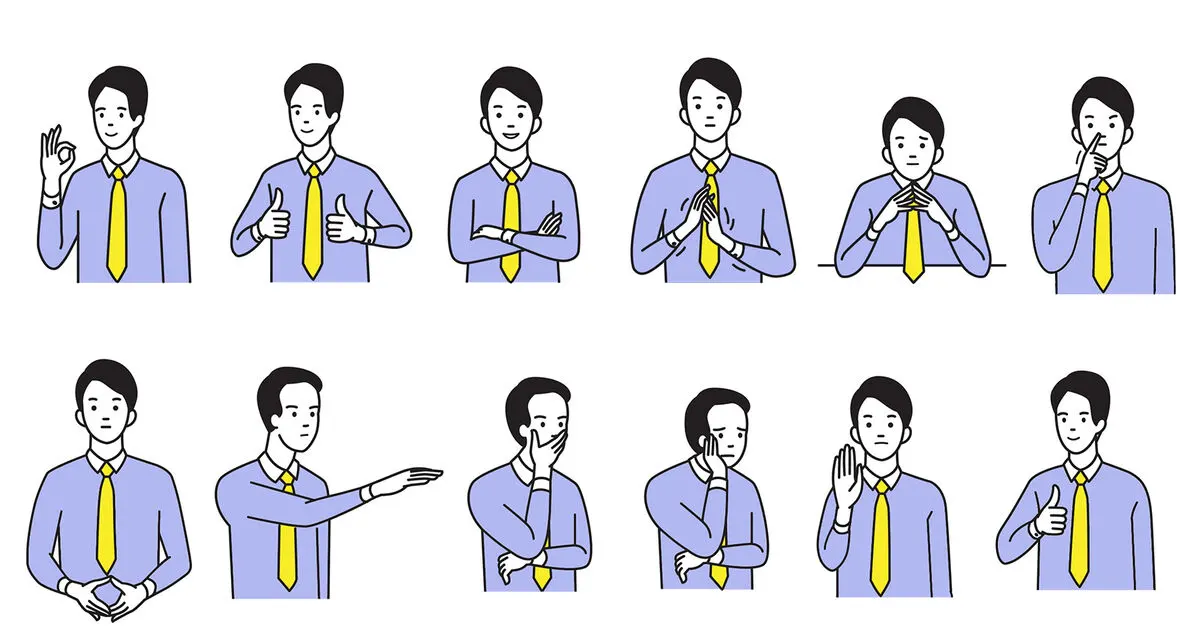

Communication extends far beyond words, and body language often conveys more than speech itself. Gestures, posture, facial expressions, and eye contact influence how messages are received, understood, and interpreted. In professional and personal interactions across India’s Tier 1 and Tier 2 cities, body language plays a critical role in establishing trust, credibility, and emotional connection, yet its impact remains largely underestimated.
Body Language as a Mirror of Intent
Non-verbal cues frequently reveal underlying emotions and intentions. A confident posture, steady eye contact, and measured gestures can project authority and reliability, while slouched shoulders or avoidance of eye contact may signal insecurity or disinterest. In corporate settings in cities like Bengaluru, Mumbai, and Hyderabad, these subtle cues often influence hiring decisions, negotiations, and leadership effectiveness, sometimes more than verbal communication alone.
Enhancing Interpersonal Understanding
Understanding body language improves interpersonal interactions. When people read gestures, expressions, and micro-expressions accurately, they can respond empathetically and adapt their communication accordingly. This skill is particularly relevant in diverse urban workplaces in India, where multicultural teams often rely on non-verbal cues to bridge language and cultural gaps, fostering better collaboration and minimizing misunderstandings.
The Role in Professional Success
For leaders and professionals, mastering body language can enhance credibility and persuasive power. Presenters, managers, and negotiators who align their non-verbal signals with their message are more likely to engage audiences and build trust. For startups and corporates in Tier 1 and Tier 2 cities, this alignment can improve client relations, strengthen team dynamics, and influence decision-making processes in high-stakes scenarios.
Impact on Personal Relationships
Body language also shapes personal relationships. Active listening through gestures like nodding, leaning slightly forward, and maintaining open posture signals attentiveness and respect. Conversely, crossed arms, fidgeting, or lack of eye contact can unintentionally create tension. In India’s urban environments, where social interactions are frequent and diverse, recognizing and adjusting non-verbal cues enhances understanding and fosters positive connections.
Cultural Considerations in India
Cultural context heavily influences body language interpretation. For instance, gestures, expressions, and levels of eye contact vary across Indian regions and communities. Being aware of these differences helps avoid miscommunication and strengthens interpersonal effectiveness, particularly in cities with highly diverse populations like Delhi, Pune, and Chennai.
Conclusion
Body language is a powerful yet often overlooked element of communication. Its influence spans professional, personal, and social spheres, affecting trust, clarity, and emotional resonance. By becoming aware of non-verbal cues and learning to interpret them accurately, individuals in India’s urban centers can enhance communication, foster stronger relationships, and project confidence, ultimately improving both personal and professional outcomes.