
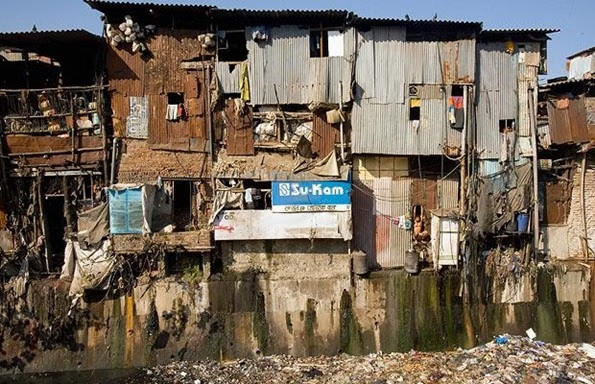

In India’s bustling cities, the visible skyscrapers and shopping malls often hide a parallel world of struggle. Millions of urban workers live on the margins, surviving on daily wages with no safety nets. From street vendors and construction laborers to domestic helpers, these individuals keep cities running but rarely make it into public consciousness. Their lives reflect resilience amidst uncertainty, especially in Tier-2 and smaller urban centers where resources are limited.
Urban poverty is complex and multi-layered. Many workers live in informal settlements without access to basic amenities like clean water, sanitation, or healthcare. Daily earnings are unpredictable, forcing families to prioritize survival over education or long-term planning. Social invisibility compounds the problem, as many city policies fail to reach informal workers.
Despite the hardships, community networks and informal economies sustain these workers. Street vendors pool resources, neighbors support each other during emergencies, and families rely on multiple income streams to make ends meet. The city depends on this labor, yet recognition and security remain minimal.
Addressing urban poverty requires more than economic growth. Policies that ensure housing, healthcare, education, and legal recognition for informal workers are essential. Cities must acknowledge these unseen contributors and integrate them into urban development plans to create a more equitable environment.
The story of India’s city workers is one of silent endurance. Recognizing their struggles and providing structural support is critical for inclusive urban growth, ensuring that survival does not come at the cost of dignity.