
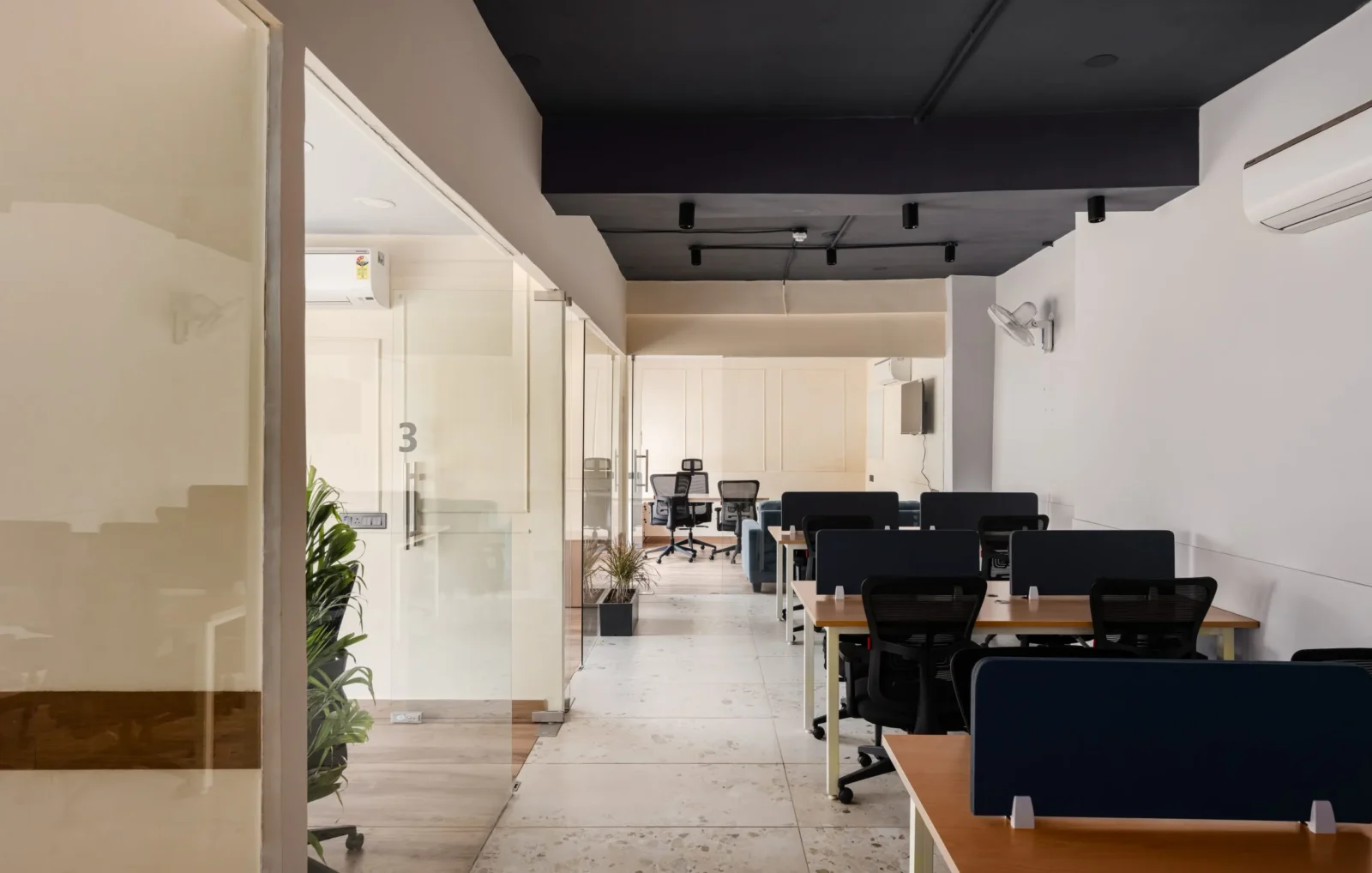

Tier-2 cities across India are witnessing a sharp increase in co-working spaces as remote jobs and hybrid work models expand. This shift is changing how professionals work, especially outside metro cities where flexible office solutions are gaining strong traction.
The surge in co-working spaces in Tier-2 cities is closely linked to the growth of remote jobs and distributed teams. As more companies adopt flexible work policies, professionals are looking for affordable and productive alternatives to traditional offices and home setups.
Remote Work Trends Driving Co-Working Growth in Smaller Cities
The expansion of remote jobs has redefined work culture across India. Employees are no longer required to stay in metro cities like Mumbai or Bengaluru, leading many to relocate to Tier-2 cities such as Nagpur, Indore, Jaipur, and Lucknow.
This shift has created demand for structured work environments outside corporate offices. While working from home is convenient, it often lacks discipline and infrastructure. Co-working spaces fill this gap by offering stable internet, meeting rooms, and professional settings.
Companies are also encouraging hybrid models where employees can work from shared offices instead of relocating. This trend is accelerating the demand for co-working hubs in non-metro regions.
Why Co-Working Spaces Are Expanding in Tier-2 Markets
The cost advantage in Tier-2 cities is a major factor behind this growth. Renting office space in metros is expensive, while co-working spaces in smaller cities offer flexible pricing models that suit freelancers, startups, and remote employees.
Another key driver is infrastructure development. Improved internet connectivity, better transportation, and growing urban ecosystems have made Tier-2 cities viable work destinations.
Local entrepreneurs are also entering the co-working space business, setting up hubs tailored to regional needs. These spaces often provide customized plans for students, freelancers, and small teams.
As demand increases, national co-working brands are also expanding into these cities, further strengthening the ecosystem.
Impact on Startups and Freelancers in Tier-2 Cities
The rise of co-working spaces is directly benefiting startups and independent professionals. Early-stage startups can operate without investing heavily in office infrastructure, reducing initial costs.
Freelancers and gig workers gain access to professional environments that improve productivity and client interactions. Networking opportunities within co-working spaces also help individuals collaborate and grow.
In cities like Indore and Surat, co-working hubs are becoming mini startup ecosystems where founders, developers, and marketers work in close proximity.
This environment encourages knowledge sharing and faster business development, which was earlier limited to metro cities.
Changing Work Preferences Among Young Professionals
Gen Z and millennials in Tier-2 cities are increasingly opting for flexible work arrangements. Traditional office jobs are no longer the only aspiration, especially with the availability of remote roles.
Co-working spaces provide a balance between independence and structure. They allow professionals to maintain work discipline without the rigidity of fixed office hours.
Many young professionals also prefer co-working spaces for social interaction. Working from home can be isolating, while shared spaces offer a sense of community.
This cultural shift is expected to sustain demand for co-working infrastructure in the coming years.
Challenges in Scaling Co-Working Spaces in Smaller Cities
Despite rapid growth, co-working operators face challenges in Tier-2 markets. Occupancy rates can fluctuate depending on local demand and economic conditions.
Pricing sensitivity is another issue. Users in smaller cities expect affordability, which can impact profitability for operators.
Awareness is still developing. Many professionals are not fully familiar with the concept of co-working, requiring operators to invest in education and marketing.
Maintaining consistent service quality across locations is also critical to retain users and build trust.
Future Outlook for Co-Working in Tier-2 India
The long-term outlook for co-working spaces in Tier-2 cities remains strong. As remote and hybrid work models become permanent, demand for flexible workspaces will continue to rise.
Government initiatives promoting digital infrastructure and startup ecosystems will further support this growth.
Companies are also exploring decentralized office models, where employees work from multiple smaller hubs instead of a single headquarters.
This trend positions Tier-2 cities as key contributors to India’s evolving work landscape.
Takeaways
• Remote jobs are driving demand for co-working spaces in Tier-2 cities
• Lower costs and better infrastructure make smaller cities attractive
• Startups and freelancers benefit from flexible office solutions
• Demand is expected to grow with hybrid work becoming permanent
FAQs
Q1: Why are co-working spaces growing in Tier-2 cities?
The rise of remote work and lower operational costs are key reasons behind this growth.
Q2: Are co-working spaces cheaper in smaller cities?
Yes, they are generally more affordable compared to metro cities.
Q3: Who uses co-working spaces in Tier-2 cities?
Freelancers, startups, remote employees, and small teams are the primary users.
Q4: Will this trend continue in the future?
Yes, as hybrid work models become more common, demand is expected to increase.