
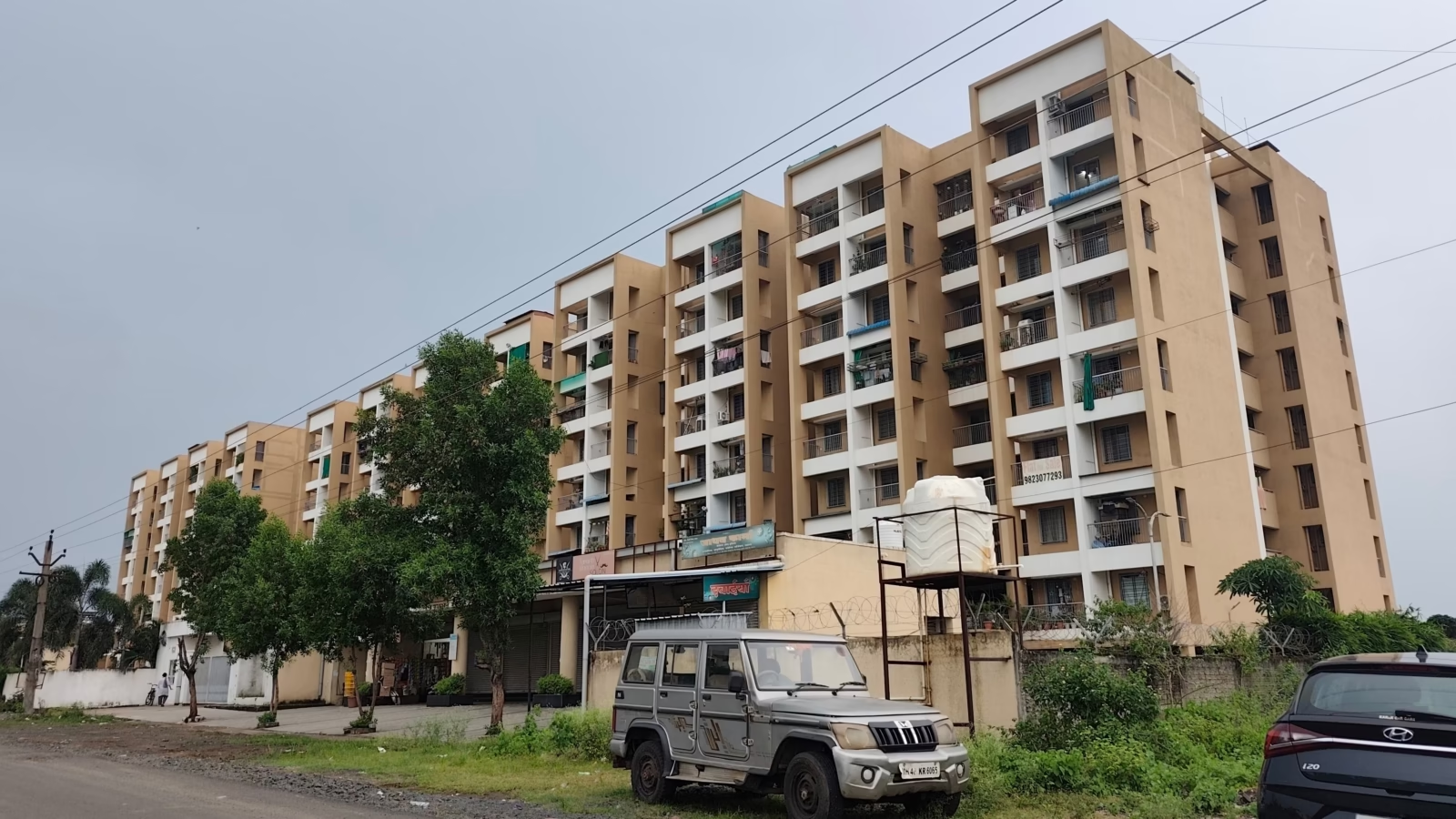

Tier 2 housing sales have shown a noticeable decline even as overall property values continue to climb, with cities like Lucknow and Thiruvananthapuram emerging as key signals of this trend. The divergence between volume and value highlights a structural shift in India’s urban housing markets rather than a short term slowdown.
This topic is time sensitive and news driven. The tone below reflects market reporting and data backed interpretation of recent housing trends.
What the Latest Tier 2 Housing Data Indicates
Tier 2 housing sales falling alongside rising property values points to a market correction in transaction volumes, not a collapse in demand. Recent data from multiple city markets shows fewer units being sold year on year, while the total value of homes sold has increased. This suggests that buyers are purchasing fewer but higher priced homes.
In cities like Lucknow and Thiruvananthapuram, developers have increasingly focused on mid to premium segments. Affordable inventory has shrunk, pushing average ticket sizes upward. As a result, overall sales value grows even when the number of transactions declines. This pattern indicates selective buyer participation rather than widespread retreat.
Why Housing Sales Are Falling in Tier 2 Cities
Several factors explain why Tier 2 housing sales are declining. One major reason is affordability pressure. While Tier 2 cities remain cheaper than metros, prices have risen steadily over the last three years. Income growth has not matched this pace for many households, especially first time buyers.
Higher interest rates have also played a role. Even small increases in home loan EMIs significantly affect buyer sentiment in cost sensitive markets. Many potential buyers are delaying purchases, waiting for either price stabilisation or clearer interest rate signals. This wait and watch behaviour reduces transaction volumes without fully eroding demand.
Rising Property Values Despite Lower Sales
The rise in housing values despite falling sales reflects a shift in supply composition. Developers are launching fewer low cost projects and focusing on larger units, gated communities, and lifestyle oriented housing. These homes command higher prices and attract a narrower buyer base.
In Lucknow, projects along infrastructure corridors and near commercial hubs have seen steady price appreciation. In Thiruvananthapuram, limited land availability and demand from salaried professionals and NRIs support higher valuations. Fewer units sold at higher prices naturally push up total sales value even as volume declines.
City Specific Signals from Lucknow
Lucknow’s housing market shows a clear bifurcation. Peripheral areas still attract budget conscious buyers, but supply remains limited. Central and well connected zones dominate new launches, pushing average prices higher.
Government employees, IT professionals, and investors form a significant portion of demand. However, first time buyers face affordability constraints due to rising input costs and limited smaller unit availability. This imbalance contributes to slower sales velocity while maintaining price strength.
Thiruvananthapuram’s Market Dynamics
Thiruvananthapuram presents a different but related picture. Demand here is supported by stable government employment, education institutions, and healthcare infrastructure. However, land constraints restrict horizontal expansion, leading to vertical and premium development.
NRIs and end users looking for long term stability drive demand, but transaction volumes remain moderate. Developers prioritise quality and compliance, which increases construction costs and final prices. As a result, value growth outpaces unit sales.
What This Trend Means for Homebuyers
For buyers, falling Tier 2 housing sales can create negotiation opportunities, especially in markets with excess inventory. Developers may offer flexible payment plans, waived charges, or selective discounts to close deals.
However, rising prices mean buyers should not expect deep corrections in well located projects. The key is micro market selection. Projects with strong connectivity, clear legal status, and realistic pricing continue to attract demand. Buyers with stable finances may benefit from entering the market during this phase of slower sales.
Implications for Developers and Investors
For developers, the trend signals the need to rebalance product mix. Excess focus on premium housing risks narrowing the buyer base further. Developers who reintroduce compact and mid segment homes may revive volumes.
Investors should view this phase as a consolidation period rather than a downturn. Tier 2 cities with strong economic fundamentals are likely to see steady appreciation over time. Short term liquidity may reduce, but long term value remains intact if demand drivers stay strong.
Is This a Warning or a Market Reset
The decline in Tier 2 housing sales alongside rising values is better described as a market reset rather than a hammer blow. The market is filtering speculative demand and adjusting to realistic affordability levels.
Cities like Lucknow and Thiruvananthapuram highlight how Tier 2 markets are maturing. Volume growth may slow, but value growth reflects confidence in long term urban expansion. This shift brings greater stability, albeit with short term challenges for buyers and developers.
Takeaways
Tier 2 housing sales are declining while average property values continue to rise.
Affordability pressure and higher interest rates are slowing buyer decisions.
Lucknow and Thiruvananthapuram reflect premium led market shifts.
The trend signals consolidation, not a housing market collapse.
FAQ
Why are Tier 2 housing sales falling despite strong demand?
Because rising prices and higher loan costs are delaying purchase decisions, reducing transaction volumes.
Does this mean property prices will fall soon?
Not necessarily. Prices may stabilise, but sharp corrections are unlikely in well performing Tier 2 cities.
Is it a good time to buy a home in Tier 2 cities?
For end users with financial readiness, slower sales can offer better negotiation opportunities.
Are investors still interested in Tier 2 housing markets?
Yes. Long term investors continue to see value due to urban growth and infrastructure development.