
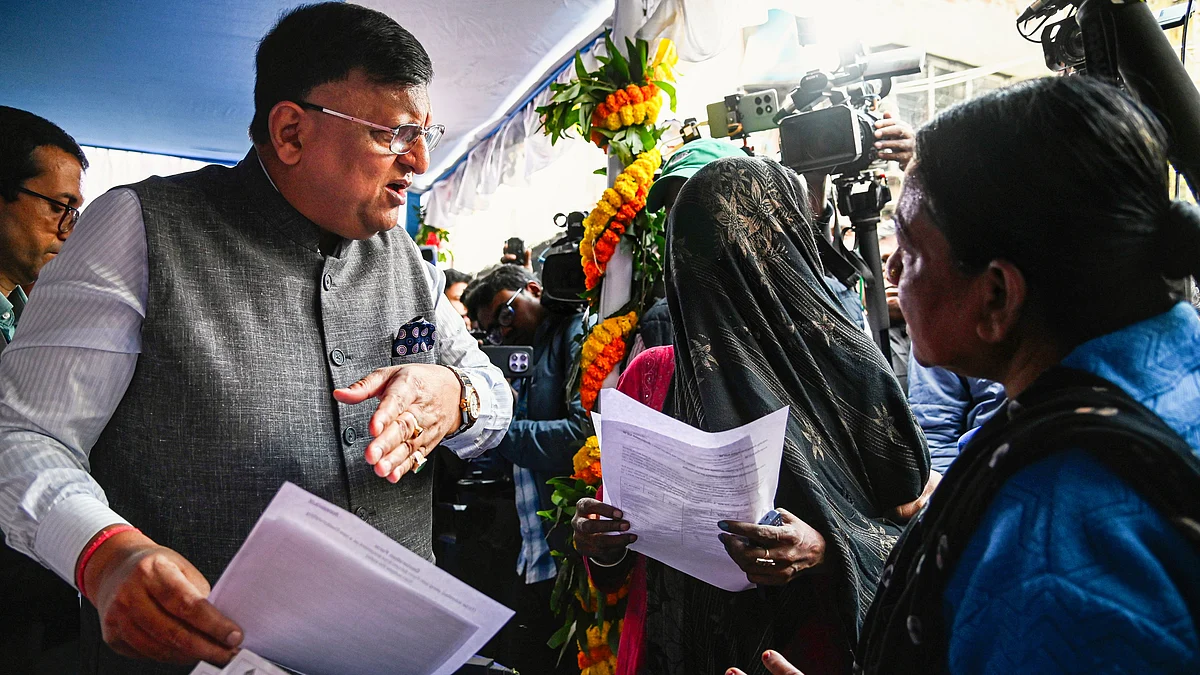

Voter deletions spike in West Bengal constituencies has emerged as a time sensitive electoral development raising questions about rolls accuracy, administrative processes, and voter awareness. The issue matters because deletions directly affect who can vote in upcoming elections and can alter turnout patterns at the constituency level.
Recent revisions of electoral rolls have shown higher than usual deletions across multiple districts, prompting political scrutiny and citizen concern.
What Voter Deletions Mean in Electoral Rolls
Voter deletions refer to the removal of names from electoral rolls during revision exercises conducted by election authorities. These updates are routine and legally mandated to ensure accuracy, remove duplicates, and exclude ineligible voters.
Deletions usually occur due to death, permanent relocation, duplicate registrations, or failure to verify details during field checks. Names can also be removed if voters are found registered in multiple constituencies.
While deletions are a normal part of roll maintenance, sudden spikes draw attention because they may indicate procedural gaps, data mismatches, or low public participation in verification drives.
Where the Spike Is Being Observed
The voter deletions spike in West Bengal constituencies is not uniform. Urban and semi urban seats have reported higher deletion numbers compared to rural areas. Constituencies with high migration, rental populations, and student voters show sharper changes.
Border districts and metropolitan zones with frequent address changes are particularly affected. Municipal wards with redevelopment activity also see higher deletions as residents temporarily relocate and miss verification windows.
These patterns suggest that mobility and documentation gaps are key drivers behind the numbers.
Key Reasons Behind the Rising Deletions
One major reason is increased data matching across government databases. Improved digitization helps identify duplicate or outdated entries more efficiently, leading to higher deletions in a single revision cycle.
Another factor is low voter response during door to door verification. When booth level officers cannot verify a voter’s presence or documents, names may be marked for deletion.
Migration for work, education, or housing changes without timely address updates also contributes significantly. Many voters remain unaware that relocation requires re registration in the new constituency.
Deaths not promptly reported to local authorities can also result in delayed roll corrections that appear as bulk deletions later.
Political Reactions and Public Concerns
Political parties across the spectrum have raised concerns over transparency and timing. In a politically sensitive state like West Bengal, voter roll changes attract immediate attention due to their potential impact on electoral outcomes.
Opposition parties often question whether deletions disproportionately affect certain areas or demographics. Ruling parties focus on procedural compliance and accuracy.
For citizens, the concern is simpler. Many fear discovering deletion only on polling day. This highlights the importance of proactive verification rather than last minute checks.
Role of Election Authorities and Safeguards
Election authorities follow a defined process before deleting names. Draft rolls are published, objections are invited, and appeals are allowed. Notices are issued before final deletion in most cases.
Voters whose names are deleted can apply for re inclusion by submitting required forms and documents within stipulated timelines. Special revision drives are often announced to address genuine exclusions.
The system includes checks, but its effectiveness depends heavily on public participation and timely response to verification notices.
Impact on Turnout and Local Politics
Higher voter deletions can influence turnout, especially in closely contested constituencies. Even a small percentage of missing voters can affect margins in local and assembly elections.
Areas with high deletions may see lower polling percentages if re inclusion efforts are weak. This can skew perceptions of voter engagement and influence post election narratives.
Local political workers often step in to assist voters with verification and re registration, making roll accuracy a grassroots level issue rather than just an administrative one.
What Voters Should Do Immediately
Every voter should verify their name on the electoral roll using official voter search tools. Checking once during revision is not enough. Verification should be done again closer to elections.
If a name is missing, apply for inclusion immediately with valid identity and address proof. Do not assume past voting guarantees current eligibility.
Families should verify details for elderly members, migrants who returned home, and first time voters to avoid last minute surprises.
What to Watch Going Forward
The scale of re inclusion applications will indicate whether deletions were largely procedural or exclusionary. Further clarification from election authorities on district wise data will also provide context.
Future revision cycles may see improved communication strategies to reduce accidental exclusions. Voter awareness will remain the deciding factor in preventing similar spikes.
Takeaways
Voter deletions are part of routine roll updates but sudden spikes raise concern
Urban migration and low verification response drive higher deletions
Voters can seek re inclusion through defined appeal processes
Early verification is the best safeguard against disenfranchisement
FAQs
Why was my name deleted from the voter list
Common reasons include relocation, duplicate registration, or non verification during field checks.
Can I get my name added again after deletion
Yes. You can apply for re inclusion by submitting the required form and documents.
Do voter deletions target specific groups
Officially, deletions are based on eligibility checks, not political or social categories.
How often should I check my voter status
At least once during roll revision and again before elections.