
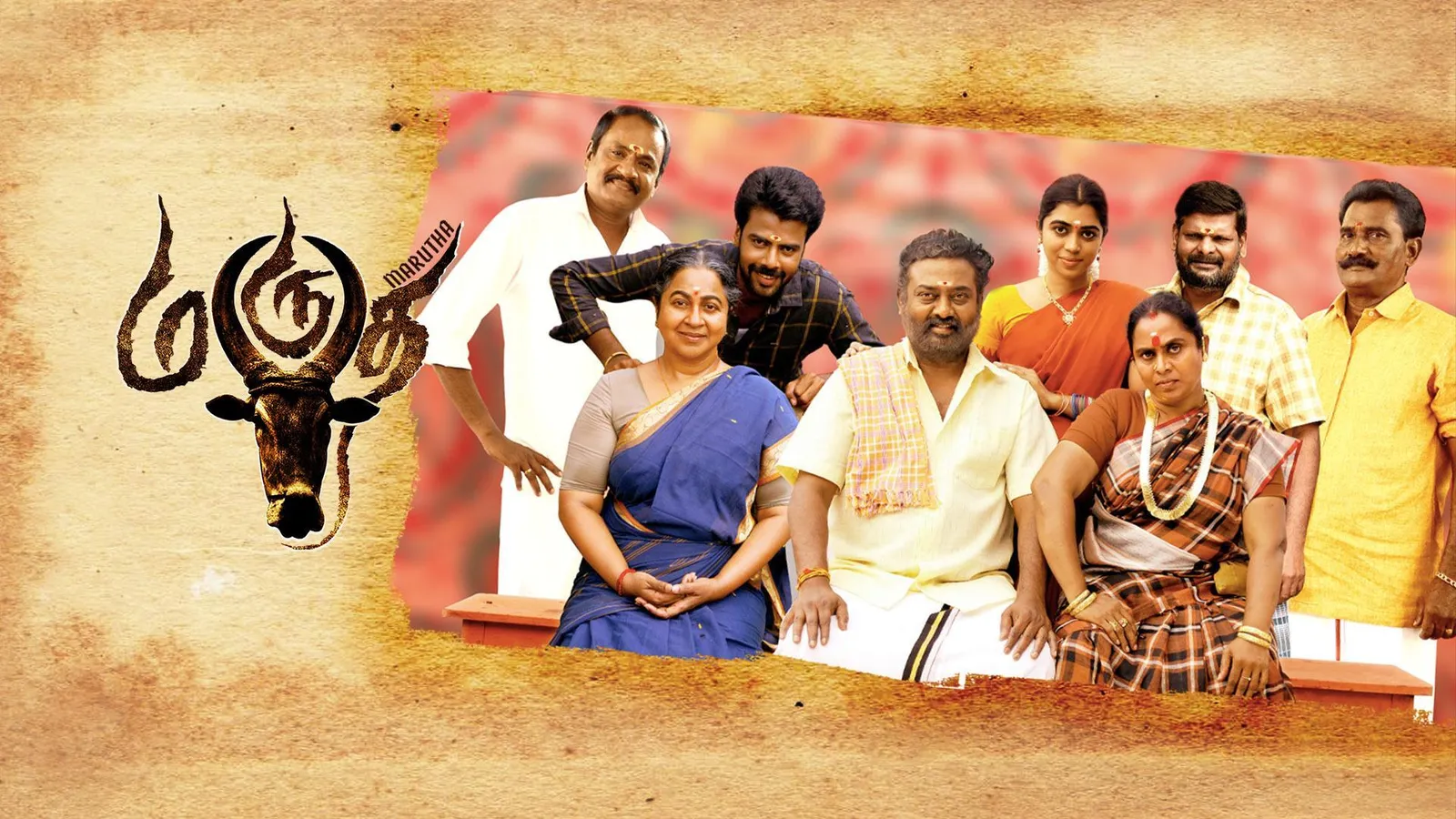

The release of films like Marutha highlights a visible change in South Indian mainstream cinema. Storylines are shifting toward social media abuse, women’s safety and family responsibility. These themes signal a deeper realignment in how filmmakers portray contemporary issues and audience expectations.
Changing themes reflect shifting social realities
The main keyword changing themes in South Indian cinema anchors this analysis. For years, mainstream films in Tamil, Telugu, Malayalam and Kannada industries relied heavily on formula based narratives. But recent releases show a clear break from predictable tropes. Films like Marutha place everyday social pressures at the centre of storytelling rather than using them as background elements. Themes of online harassment, misinformation, domestic conflict and personal accountability reflect what many families experience today. This shift indicates that mainstream cinema is becoming more grounded, relatable and socially aware.
Social media abuse emerging as a central conflict
Secondary keywords such as social media abuse and digital behaviour highlight a dominant trend. As young audiences spend more time online, films increasingly explore how digital platforms influence relationships, reputation and emotional wellbeing. Marutha and similar story centric films showcase how online bullying, fake profiles, privacy breaches and viral misinformation can disrupt families. Instead of presenting social media as a glamorous tool, directors portray its darker consequences in a realistic manner. This resonates with younger viewers who face these pressures daily. The focus on online behaviour also reflects rising national concern around cyber safety and digital etiquette.
Women’s safety gaining prominence in mainstream storytelling
Women’s safety has evolved from a side theme to a central narrative driver. In many recent South Indian films, female characters confront online threats, workplace pressure, controlling relationships and emotional manipulation. The portrayal is more nuanced than earlier one dimensional victimisation. Films highlight systemic issues such as lack of accountability, societal double standards and the emotional labour women carry. The shift mirrors ongoing public conversations about gender rights, safety in public spaces and rising awareness about consent. These stories connect with viewers because they combine realism with strong character arcs, encouraging both empathy and introspection.
Reinforcing family responsibility in modern contexts
Family responsibility remains a timeless theme in South Indian cinema. But newer films reinterpret it for modern audiences. Instead of portraying families as rigid structures, recent scripts explore complex relationships shaped by technology, economic pressure and shifting values. In films like Marutha, conflicts arise from emotional distance, financial stress, communication breakdowns and generational gaps. These stories show how family members navigate collective responsibilities in a rapidly changing society. The modern interpretation avoids moral lectures and focuses instead on consequences, choices and reconciliation. This approach appeals to a wider audience, including youth who seek nuance over nostalgia.
Rise of socially grounded protagonists
A defining feature of this thematic shift is the emergence of grounded protagonists. Heroes in several new films are everyday individuals grappling with relatable problems. Their challenges do not require grand gestures but emotional resilience, communication and self correction. Audiences increasingly prefer characters who reflect their own struggles rather than exaggerated personalities. This trend benefits filmmakers who want to write strong scripts without relying on spectacle or high budgets. It also opens opportunities for actors who specialise in intense, character driven roles.
Impact on the broader film industry
The success of content driven films is influencing production decisions across South Indian industries. Producers are more willing to back mid budget films with strong narratives. Screenwriters gain more space to experiment with contemporary themes. Streaming platforms amplify this shift by rewarding films that perform well with niche but loyal audiences. As family oriented viewers return to theatres, content that addresses real issues without compromising entertainment value gains commercial viability. Over the next two years, this trend may encourage more filmmakers to explore socially conscious themes.
Challenges in balancing message and entertainment
The new wave also brings challenges. Some films struggle to balance message driven narratives with engaging pacing. Over emphasis on social issues can risk preachy tones if not handled with subtlety. To sustain audience interest, filmmakers must integrate heavier themes into compelling stories that maintain emotional momentum. Achieving this balance will determine how long this shift remains dominant in mainstream cinema.
Takeaways
South Indian cinema is leaning toward grounded, socially aware storytelling
Themes of social media abuse and digital risks are becoming central plot elements
Women’s safety narratives now drive character arcs and emotional depth
Family responsibility is portrayed through modern conflicts rather than traditional formulas
FAQs
Why are films focusing more on social media issues now
Because digital behaviour affects daily life, relationships and mental health, making it a relevant conflict for modern audiences.
Is women’s safety becoming a mainstream theme in South Indian films
Yes. Strong, nuanced portrayals of women’s safety concerns reflect rising awareness and public conversation around gender issues.
What makes family responsibility stories more appealing today
Modern scripts explore realistic conflicts such as communication gaps, financial pressure and emotional strain, allowing wider audience connection.
Will socially themed films dominate future releases
They are likely to remain significant, but commercial success will depend on balancing authentic themes with engaging storytelling.