
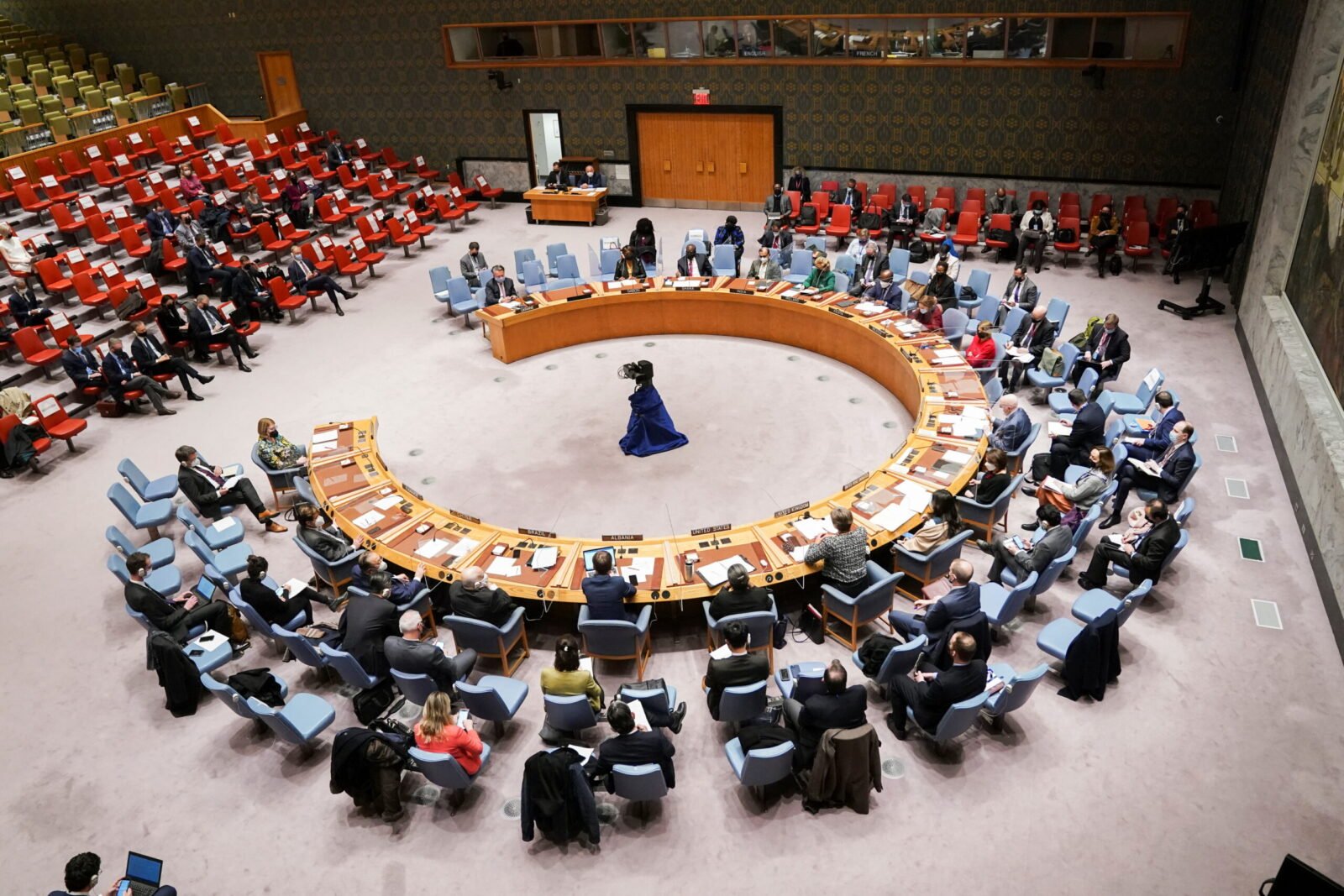

The United Nations Security Council, or UNSC, is one of the six main organs of the UN responsible for maintaining international peace and security. It plays a key role in addressing conflicts, authorizing peacekeeping missions, and imposing sanctions. Understanding the UNSC is important for India and other nations, as its decisions influence global stability, diplomatic relations, and international cooperation in conflict resolution.
The council consists of 15 members, including five permanent members with veto power—China, France, Russia, the United Kingdom, and the United States. The remaining ten non-permanent members are elected for two-year terms and contribute to decision-making on security matters, resolutions, and sanctions.
One of the UNSC’s primary functions is conflict management. It can authorize military intervention, impose arms embargoes, or send peacekeeping forces to conflict zones. These actions aim to prevent wars, protect civilians, and stabilize regions experiencing unrest.
Sanctions and resolutions are also key tools. The UNSC can restrict trade, freeze assets, or enforce travel bans against countries or individuals threatening peace. Such measures are designed to pressure parties to comply with international norms without immediate military action.
India’s involvement in the UNSC, including its repeated bids for permanent membership, reflects the country’s interest in global security and diplomatic influence. Decisions made by the council can affect India’s trade, regional security, and participation in international peacekeeping efforts.
In conclusion, the UN Security Council is a central pillar of global peace and security. Its powers to resolve conflicts, enforce sanctions, and guide international cooperation make it highly significant for nations worldwide. For India, understanding and engaging with the UNSC is crucial for both strategic and diplomatic reasons.