
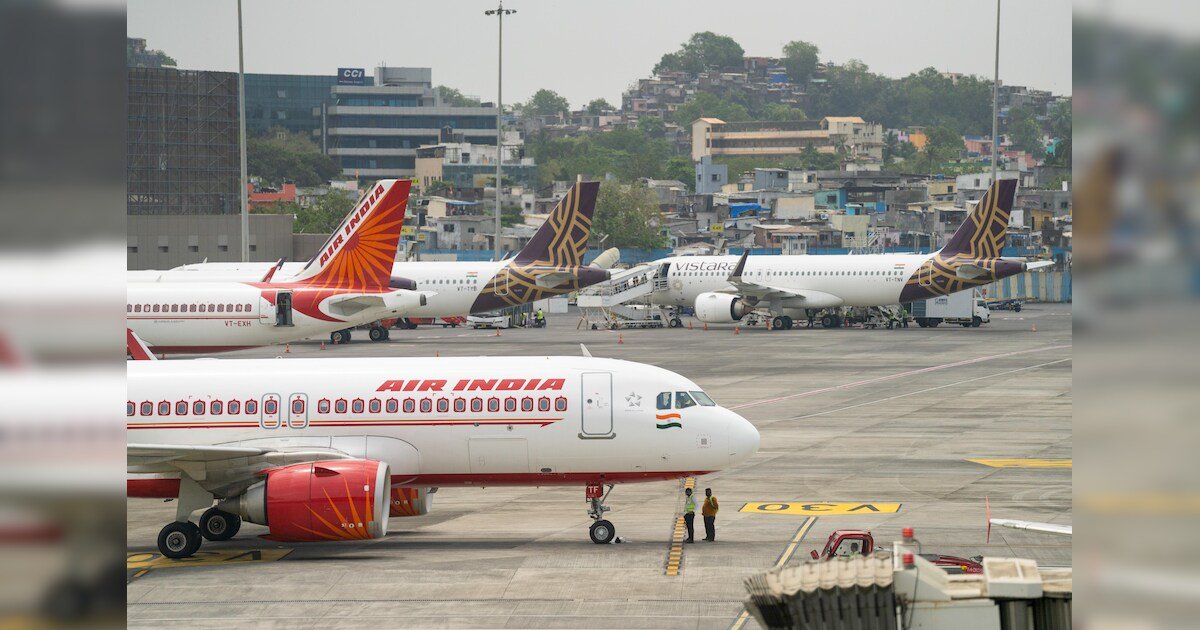

The 2025 airline disruption has affected thousands of passengers, and the main keyword appears naturally here. Tier 2 city travellers faced cancellations, diversions and extended delays as operational constraints and network level issues reduced aircraft availability. This report explains why disruptions escalated and what passengers must prepare for in the coming weeks.
Why airlines cancelled flights across several routes (operational disruption factors)
Airlines faced a combination of crew shortages, aircraft maintenance backlogs and congested air traffic schedules. When operational capacity drops, carriers prioritise high demand metro routes because these generate larger revenue volumes. As a result, Tier 2 routes experience the earliest cancellations. Many regional aircraft also undergo routine checks during winter when weather related stress rises. If inspections take longer than expected, airlines reduce frequency to maintain safety. Congestion at major hubs causes a ripple effect. When incoming aircraft arrive late, outbound flights lose their departure slots. This disrupts connections for smaller city airports that depend heavily on timely rotations. The system becomes strained even when a small percentage of flights face delays. Passengers in Tier 2 locations feel the impact more acutely because these airports offer fewer daily services.
How the disruption affected Tier 2 travellers specifically (reduced connectivity impact)
Cities with limited daily flights such as Nagpur, Coimbatore, Indore, Ranchi, Surat and Bhubaneswar face greater inconvenience because missing one service can eliminate same day travel options. Business travellers in these regions often rely on early morning departures to metro hubs. When airlines cancel or combine flights, passengers lose planned connections for meetings, onward journeys or international flights. Tourism dependent cities see hotel cancellations and increased last mile costs. Students and migrant workers returning home for seasonal breaks also face higher fares because the reduced supply drives ticket prices upward. Medical travellers, who depend on punctual schedules for consultations or planned procedures, experience additional stress when rebooking becomes uncertain.
Why airlines are struggling to restore normal schedules (fleet and manpower constraints)
Rebuilding a flight schedule requires adequate aircraft, full crew rosters and available maintenance slots. Airlines that expanded aggressively in previous years now face the challenge of matching fleet size with operational capacity. Training new crew members takes months, and regulations require a minimum rest period between flights. Even a small delay can impact availability across multiple rotations. Aircraft maintenance checks, especially for older planes, require extended ground time. When parts availability slows due to supply chain issues, airlines cannot bring aircraft back into service quickly. Weather related disruptions add pressure by forcing diversions and increasing fuel planning complexity. This creates a cycle in which airlines cannot reliably forecast their next day schedules. Tier 2 airports experience disproportionate cuts because carriers focus their limited assets on routes with higher profitability.
What passengers should do when flights are cancelled or rescheduled (practical guidance)
Travellers should monitor airline apps frequently because schedule changes often appear there before SMS alerts. During disruptions, rebooking options become limited within minutes, so quick action is essential. Passengers should check alternative airports within a few hours of travel distance, especially when urgent trips cannot be postponed. For instance, travellers in Nagpur might find better availability through Raipur or Pune. Refunds are usually processed automatically when cancellations are airline initiated, but passengers should verify refund mode because payments routed through travel portals can take longer. For onward international travel, passengers must contact both the airline and the travel agent to revise itineraries. Keeping digital copies of tickets, identity documents and booking receipts helps streamline support interactions during crowded airport situations.
How airlines plan to stabilise operations in the coming weeks (short term recovery outlook)
Airlines are gradually rearranging fleet deployment, prioritising maintenance clearances and adjusting crew schedules. Some carriers are adding temporary capacity by leasing aircraft during peak periods. These measures help restore predictability but take time to reflect in daily operations. Regulators may review slot allocations to ease congestion at main hubs. Airlines are also recalibrating block times for winter conditions so that delays do not accumulate as quickly. Once maintenance backlogs shrink and crew availability improves, airlines will restore regional frequencies. Tier 2 travellers can expect gradual improvement but must prepare for intermittent disruptions. Passenger loads are currently high, so securing tickets earlier reduces risk. As operational conditions normalise, airlines will reinstate cancelled flights and rebalance regional connectivity.
Takeaways
• Tier 2 routes suffer first during operational disruptions due to limited daily services
• Crew shortages, maintenance delays and air traffic congestion caused widespread cancellations
• Travellers must monitor apps, act quickly for rebooking and consider nearby airports
• Stability will return gradually as airlines add capacity and resolve maintenance backlogs
FAQs
Why were Tier 2 flights cancelled more often than metro routes
These routes have fewer daily services, and airlines prioritise metro flights during disruptions to maintain revenue and connectivity.
How can passengers secure rebooking during high demand periods
By monitoring airline apps regularly and confirming alternate routes early. Acting quickly increases the chances of finding available seats.
Do airlines provide full refunds for cancellation initiated by the carrier
Yes, refunds are usually automatic. However, processing time varies depending on payment method and travel portal involvement.
Will flight schedules return to normal soon
Operations will stabilise gradually as airlines address crew and maintenance constraints, but occasional disruptions may continue for some weeks.