
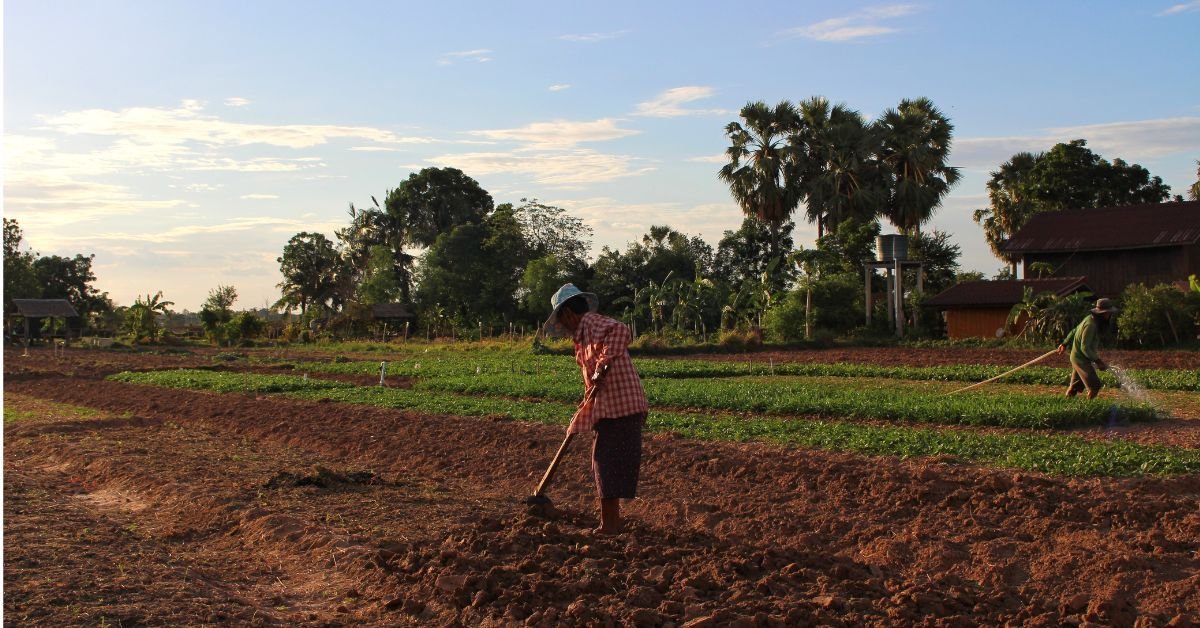

The 2025 monsoon deficit has raised concerns across small town farming communities in Vidarbha and Madhya Pradesh, where crop cycles depend heavily on timely rainfall. This time sensitive topic requires a news oriented approach explaining how below average rainfall affects livelihoods, groundwater levels, input costs and recovery expectations for the coming season.
Early season data indicates that several districts recorded lower rainfall than historical averages, leading to delayed sowing and increased reliance on borewells. Small town economies in these regions are closely linked to agriculture, especially cotton, soybean and pulses. Any disruption in rainfall impacts not just farmers but also traders, transporters and local service workers who depend on agricultural cycles.
Impact on sowing patterns and secondary keywords affecting crop planning
The first major consequence of a monsoon deficit is delayed or incomplete sowing. Vidarbha farmers, who depend primarily on rain fed agriculture, face difficulty preparing fields when soil moisture is low. Cotton and soybean, which dominate the region, require steady rainfall at germination and early growth stages. When rains arrive late or inconsistently, farmers are forced to shift to short duration crops like moong or urad to reduce risk. This shift affects overall productivity and income because short duration crops often deliver lower yields.
In parts of Madhya Pradesh, farmers rely on mixed cropping patterns. A weak monsoon disrupts these combinations because crops requiring higher moisture do not survive early stress. Tractor hiring and seed purchases also get delayed, leading to congestion later in the season. Small shops that sell fertilizers and farming tools often see reduced sales in deficit years, affecting the broader rural economy.
Groundwater strain and rising dependency on irrigation equipment
When rainfall is insufficient, farmers turn to borewells and irrigation pumps. Vidarbha has long struggled with declining groundwater levels, and a deficit year intensifies the pressure. Many small town farmers operate shallow borewells that fail to provide consistent output under heavy use. This forces families to hire tanker water for livestock or borrow water from deep borewell owners at high rates.
The cost of running diesel or electric pumps rises significantly during deficit periods. Farmers may need multiple pumping sessions to maintain crop moisture, increasing operational expenses. Irrigation equipment dealers in small towns report sudden spikes in demand for pipes, motors and repair services, adding to household expenditure. For farmers already dealing with debt, these additional costs can push them into financial distress.
Economic stress on small town markets and input credit cycles
The monsoon deficit affects local markets by slowing cash flow. Farmers typically repay input loans after harvest, but reduced yields delay repayment cycles. Trader shops that offer credit for seeds, fertilizers and pesticides face longer waiting periods to recover dues. This impacts their ability to stock inventory for the next cycle.
Daily wage labourers in small towns also feel the effect. When sowing is delayed, there are fewer days of field work available. Labour migration to nearby cities increases temporarily, but wages remain unstable. Transport operators who rely on farm movement face reduced demand during weak rainfall years. These cascading effects show how a weather deficit influences every layer of the rural economy.
Crop health challenges and adaptive farming strategies emerging
Lower rainfall brings higher pest incidence in cotton and soybean due to stressed crop conditions. Farmers in deficit areas often require additional pesticide sprays, raising production costs. Weeds also spread faster when rain patterns fluctuate, requiring extra labour or herbicide use. These challenges reduce profit margins even if the crop survives till harvest.
Despite these difficulties, several adaptive strategies have emerged in small town farming communities. Some farmers shift to resilient crops like millets and pulses that tolerate moisture stress. Others focus on contour farming, mulching and micro irrigation to conserve water. Farmer groups in parts of Madhya Pradesh have started sharing borewell resources on a rotational basis to reduce individual pumping costs. Such adjustments help reduce risk but do not fully compensate for a major deficit year.
Short term government support expectations and rural recovery outlook
In deficit years, farmers expect relief measures such as input subsidies, crop insurance payouts or easier access to short term credit. Many rely on government assessments to determine eligibility for compensation. Speed and accuracy of these assessments affect how quickly small town households recover. While insurance schemes cover part of the loss, payout timelines often decide whether farmers can prepare for the next sowing cycle without borrowing at high interest.
The recovery outlook depends on post monsoon showers and rabi season conditions. If the deficit continues into the next cycle, cropping intensity may drop further, affecting incomes until the following year. Small town communities rely on strong rabi performance to balance losses incurred in the kharif season. Monitoring water storage levels in local reservoirs and small dams becomes crucial for predicting rabi outcomes.
Takeaways
Delayed sowing and crop shifts are the first indicators of monsoon deficit stress
Groundwater dependency increases rapidly when rainfall is below average
Local markets and credit cycles weaken due to reduced farm income
Adaptive methods help but cannot fully offset widespread rainfall shortage
FAQs
Which crops are most affected by monsoon deficit in Vidarbha and Madhya Pradesh
Cotton and soybean are the most affected due to their dependence on early rainfall. Pulses and millets show better resilience.
Does deficit rainfall always lead to lower yields
Not always, but inconsistent rainfall during early growth stages or flowering periods significantly increases the risk of reduced output.
How do small towns feel the impact beyond farming
Shops, transport operators, labourers and service providers experience reduced income because agricultural activity drives most local demand.
Can farmers recover losses within the same year
Recovery depends on rabi season performance and availability of support measures. Severe deficit years usually require multiple seasons for full recovery.