
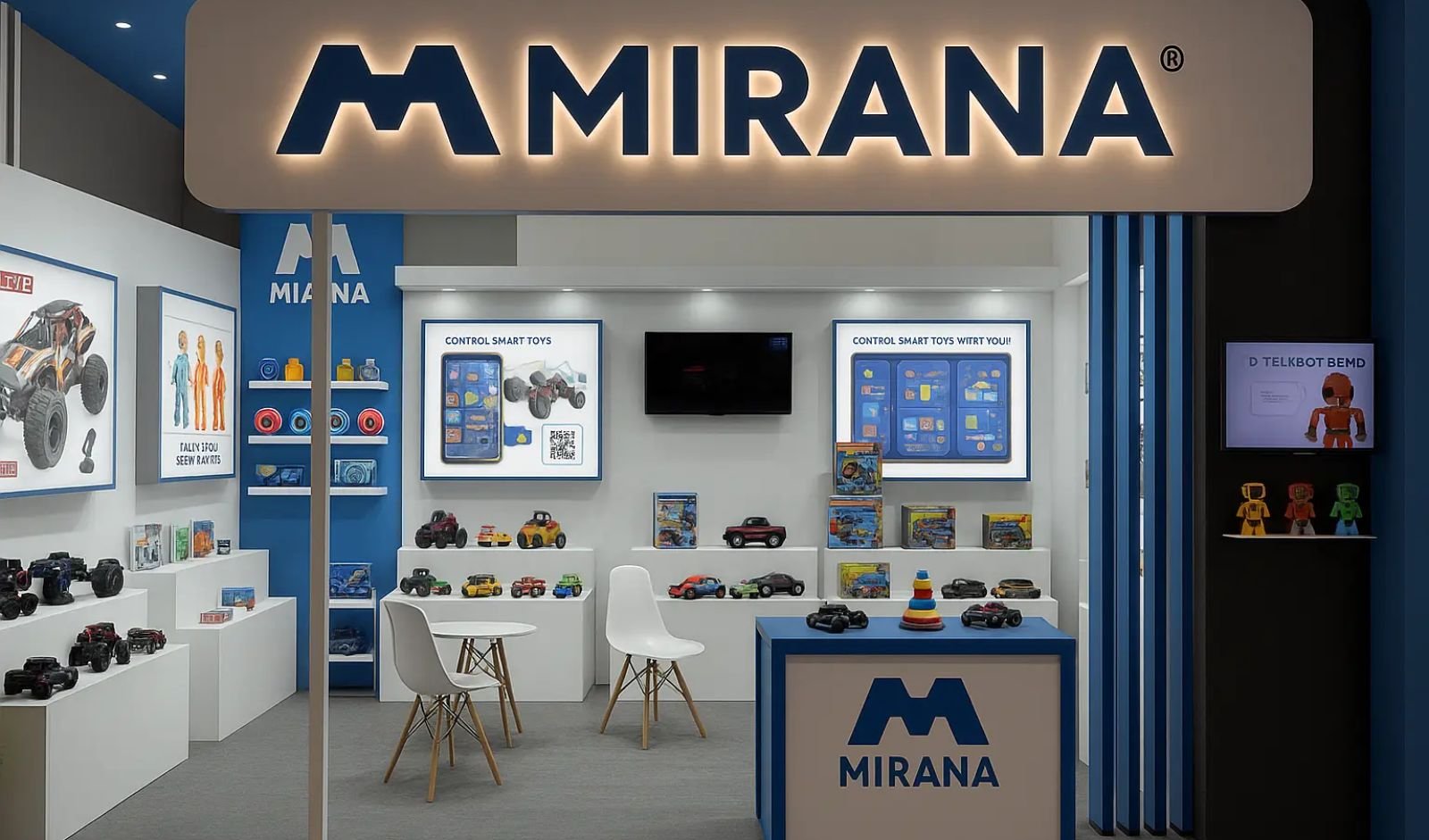

With fresh funding in its latest round, Mirana Toys’s growth marks more than a corporate win — it signals renewed momentum for India’s Make-in-India push in toys and children’s goods. The investment could help build manufacturing capabilities outside metros, boost local supply chains and open opportunities for smaller cities to join the toy-production boom.
Why Mirana Toys matters for the toy industry landscape
The main keyword funding round for Mirana Toys shows why this news matters beyond just one company. India’s toy and children’s goods industry has long depended heavily on imports. A domestic producer scaling up with fresh capital demonstrates that local manufacturing can compete. For cities outside major urban centres, this means potential new factories, jobs and ancillary businesses. The renewed investment sends a signal to investors and other entrepreneurs — toy manufacturing need not be limited to established industrial zones in metros.
Potential to decentralise manufacturing beyond metros
Secondary keywords like Make in India manufacturing and regional toy industry highlight a key shift. Setting up factories outside large cities brings multiple benefits: lower land and labour costs, easier compliance for small scale units, less competition for resources and direct access to regional markets. For Mirana Toys, and companies following its path, towns with modest infrastructure but committed work culture may become viable production hubs. That will lower upstream costs and allow affordable toys to reach consumers across India at competitive prices.
Impact on local supply chains and ancillary industries
A scaling toy manufacturer does more than just produce toys. It can stimulate local demand for raw materials, plastics, packaging units, small-scale logistics and transport businesses. Artisans, small mould-making shops, packaging factories and distribution services in smaller cities could benefit. This creates an ecosystem rather than isolated manufacturing units. For parents and retailers, wider supply networks may lead to faster deliveries and lower prices. Over time, regional economies may see growth tied to the broader toy and children’s goods market.
Strong demand for “Made in India” toys and children’s goods
Indian consumers increasingly prefer locally made products, driven by rising awareness about safety, quality standards and support for domestic manufacturing. Budget-conscious families in Tier 2 and Tier 3 cities often look for affordable but reliable toys. With companies like Mirana ramping up production, consumers can expect a wider selection of Indian-made toys. This growth could also foster design innovation based on local tastes, regional languages or cultural themes. As a result, domestic brands may capture more share previously held by imported toys.
Challenges ahead: scaling responsibly and ensuring quality
Growth does not come without challenges. Toy manufacturing requires strict compliance with safety norms, quality control, and reliable supply of raw materials. Companies will need to invest in testing, child-safe materials and manufacturing practices. Scaling in smaller cities also demands infrastructure: stable power supply, transport access for raw materials and distribution, and trained labour. For long term success, investment in training, regulatory compliance and value-chain integration will be crucial.
What this could mean for employment and regional economies
If Mirana Toys and similar firms expand beyond metros, local job creation could rise significantly. Factory staff, logistics personnel, packaging workers, designers and administrative staff will find opportunities. For local youth — especially in semi-urban and rural districts — this offers a viable path other than migration to big cities. Over time, this can lead to stronger regional economies and improved livelihoods.
Takeaways
Fresh funding for Mirana Toys strengthens domestic toy manufacturing credibility
Regional factories outside metros can lower costs and democratise access to quality toys
Local supply chains and ancillary industries stand to gain from expanding toy production
Sustained growth depends on adherence to quality, safety standards and infrastructure readiness
FAQs
Does toy manufacturing outside metros really reduce costs for consumers
Yes. Lower land and labour costs, plus reduced import duties, help companies price toys competitively for Indian buyers.
Will children’s goods quality match imported products
Quality depends on commitment to safety standards and testing protocols. Indian manufacturers can match or exceed imported toy quality with correct investments.
Can small towns become new hubs for domestic toy production
They can if investors focus on infrastructure, supply-chain integration and skilled labour — funding and commitment make it feasible.
How will this funding impact the national Make in India push
Successful scaling by toy manufacturers boosts confidence in domestic manufacturing, encourages further investments and supports the shift away from import dependence.