
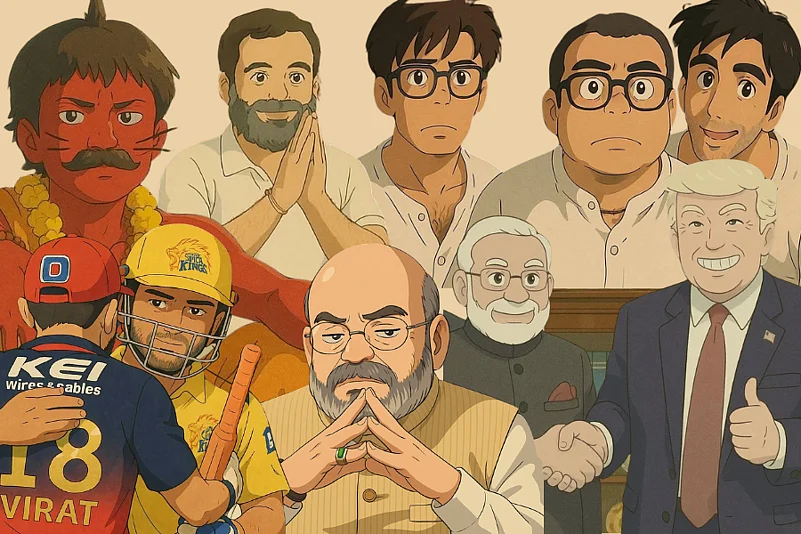

The surge of AI generated Ghibli style portraits and art appears early because this article examines whether the trend reflects a deeper cultural shift in India or is simply a temporary burst of social media hype driven by curiosity and algorithmic amplification.
Over the past months, Indian users across Instagram, YouTube and messaging apps have widely shared AI rendered visuals inspired by the iconic animation style. The trend has reached both metro and Tier 2 audiences, making it one of the most visible creative waves of the year.
A Blend Of Nostalgia And New Age Tech Appeal
Secondary keyword: nostalgia driven trends
Studio Ghibli’s animation style is widely recognised for its soft palettes, expressive characters and calming visual themes. Indian audiences familiar with anime, classic animation or fantasy storytelling feel an immediate emotional connect with this aesthetic. AI tools now allow anyone to recreate that style using personal photographs or prompts.
This blend of nostalgia and technology makes the trend appealing across age groups. Young users see it as a creative experiment, while older audiences appreciate its artistic familiarity. The emotional comfort associated with Ghibli visuals enhances shareability.
The simplicity of generating such art also fuels adoption. Apps and AI generators require minimal input. Users upload a photo, choose a style and receive stylised portraits within seconds.
Algorithms And Viral Loops Making The Trend Unavoidable
Secondary keyword: social media amplification
Social media algorithms prioritise content with high engagement rates, and AI generated art consistently delivers likes, saves and comments. Once users interact with a few such posts, platforms show more of them, accelerating the trend.
Creators, influencers and meme pages also boost visibility by generating themed collections, comparison reels or transformation videos. These formats perform well on short video platforms where visual novelty is rewarded. The algorithmic push creates a feedback loop where more creators participate simply because the format guarantees reach.
Messaging apps play their part too. Families and friends share AI portraits in WhatsApp groups, extending the trend beyond typical social media timelines and into everyday communication.
Democratisation Of Art Through Easy To Use AI Tools
Secondary keyword: accessible creativity India
A major reason for the explosion is accessibility. Users do not need drawing skills or animation knowledge to create professional looking Ghibli style visuals. AI tools provide instant artistic gratification.
This democratisation of creativity is particularly impactful in India, where many young users in smaller cities have artistic interest but limited access to training or digital tools. AI helps them participate in global art trends without technical barriers.
For amateur creators, AI becomes a confidence booster. They can produce stylised illustrations that spark interest from peers and followers, encouraging further experimentation with creative tools.
Is This A Cultural Shift In How Indians Express Themselves Online
Secondary keyword: cultural expression shift
The rise of AI assisted self expression suggests deeper cultural changes. Digital identity is becoming increasingly visual. Users enjoy presenting themselves through stylised avatars, fantasy inspired portraits or alternate aesthetics. Ghibli style art fits perfectly into this trend of personalised digital storytelling.
Indians also embrace global cultural influences quickly, especially when packaged through technology. The popularity of anime, gaming aesthetics and international art styles reflects a growing openness to blended cultural expression. AI amplifies this by making transformation simple and fast.
The trend indicates a shift toward visual experimentation as a social identity marker. Users present multiple versions of themselves across platforms, from professional photos to stylised AI portraits.
Or Is It Just Another Short Lived AI Hype Cycle
Secondary keyword: AI trend sustainability
Despite its popularity, the trend may follow the typical trajectory of viral AI formats. As more users adopt it, novelty reduces. Oversaturation can make content feel repetitive, lowering engagement.
AI generated art trends historically peak quickly and taper off as users seek fresh formats. Filters, avatar generators and cartoon styles have all gone through similar cycles. Ghibli style art may experience the same pattern unless creators innovate with more personalised or narrative driven outputs.
Additionally, excessive use of stylised portraits can reduce perceived authenticity, making users revert to traditional photos for long term identity building.
Creative Opportunities For Indian Artists And Brands
Secondary keyword: AI creative opportunities
This trend opens doors for illustrators, designers and content creators who combine AI tools with manual craftsmanship. Many artists refine AI outputs to build unique artworks, merging technology with human creativity.
Brands may also adopt this trend for marketing campaigns aimed at younger demographics. Stylised storytelling, animated brand mascots or whimsical product visuals can resonate strongly when executed tastefully.
Regional creators gain visibility by blending local cultural motifs with Ghibli inspired styles. This fusion has already begun emerging across vernacular Instagram pages and YouTube channels.
Concerns About Authenticity, Copyright And Ethical Use
Secondary keyword: AI art ethics
As the trend grows, questions arise about the ethical use of Ghibli style models. Some AI tools mimic the visual identity of well known studios, sparking debates over originality and artistic credit. Creators must be careful not to present AI generated work as original hand drawn art.
Another concern is data privacy. Apps that generate portraits often require access to user photographs. Without strong privacy safeguards, misuse risks increase.
Users should also differentiate between AI assisted creativity and human artistry to maintain clarity in digital spaces.
Takeaways
Nostalgia and accessibility make Ghibli style AI art highly shareable
Social media algorithms accelerate its visibility across Indian audiences
The trend reflects a shift toward visual self expression and digital identity
Sustainability depends on innovation, ethics and evolving user interest
FAQs
Why is Ghibli style AI art so popular in India
It combines nostalgia, emotional comfort and easy access through AI tools, making it appealing across age groups.
Is this trend a long term cultural shift
It signals evolving digital identity habits, though the specific style may fade as users seek new visual formats.
Are AI generated portraits safe to use
They are safe if created through platforms with transparent privacy practices. Users should avoid apps with unclear data policies.
Can artists benefit from this trend
Yes. Artists can refine AI outputs into unique pieces and use the trend to grow visibility and client interest.