
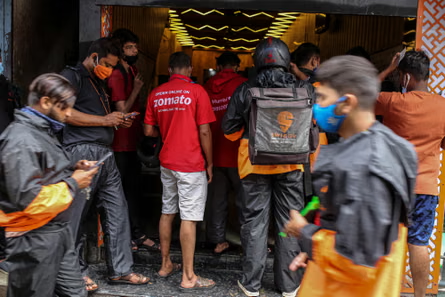

Walk through any traditional market today, and you’ll notice fewer crowds than a few years ago. The rise of e-commerce has changed how people shop, from daily essentials to electronics. What once required bargaining at local stores can now be ordered online with a few taps, delivered straight to the doorstep. This shift, while convenient for consumers, is posing serious challenges for small shop owners and local traders.
E-commerce platforms attract buyers with discounts, cashback, and wide product variety—things most local stores can’t match. Big warehouses and bulk purchasing allow online retailers to offer lower prices, while small businesses struggle with higher operating costs and limited margins. For many Tier 2 and Tier 3 cities, where local markets were once community hubs, digital platforms are quietly taking over.
Another major factor is convenience. Busy lifestyles, limited parking, and traffic congestion make online shopping the easier choice for many urban and semi-urban consumers. Even older generations, once loyal to local markets, are now adapting to digital payment systems and doorstep delivery.
However, this transition isn’t entirely one-sided. Some local sellers have begun using online marketplaces and social media to reach new customers. WhatsApp orders, local delivery tie-ups, and digital payment acceptance are helping small businesses stay relevant. Yet, many lack the infrastructure or awareness to compete at scale.
In the long run, the survival of local markets will depend on how well they adapt to digital trends while maintaining their personal touch. A balanced coexistence between e-commerce convenience and local market charm could be the way forward for India’s retail landscape.