
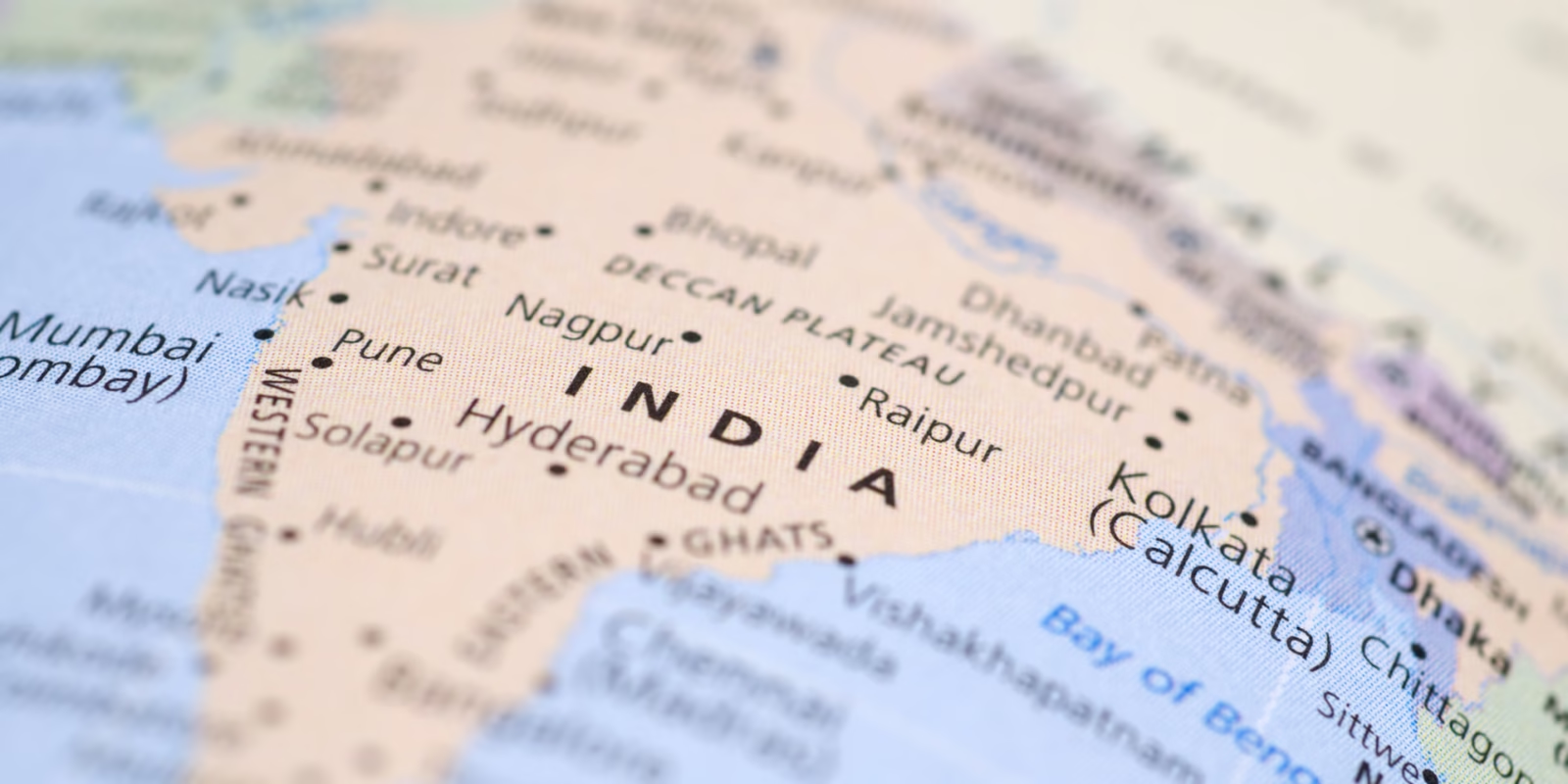

Startups in India are increasingly expanding beyond traditional metro cities. Entrepreneurs are now building companies in Tier-2 locations such as Indore, Jaipur, and Coimbatore due to lower costs, improving infrastructure, and growing access to skilled talent.
The rise of Tier-2 startup hubs in India reflects a broader shift in the country’s entrepreneurial landscape. While cities like Bengaluru and Mumbai once dominated the startup ecosystem, smaller cities are now attracting founders, investors, and technology talent. Lower operational expenses and better digital connectivity are enabling startups to scale without relying on metro locations.
Lower Costs Driving Startup Growth in Tier-2 Cities
One of the biggest reasons behind the rise of startups in Tier-2 cities in India is the significantly lower cost of running a business. Office rent, employee salaries, and operational expenses are generally much cheaper compared to major metropolitan areas.
For early stage startups, controlling expenses is crucial. Lower costs allow founders to extend their financial runway, giving them more time to develop products and acquire customers before seeking large investments.
Cities such as Indore, Jaipur, and Coimbatore offer well developed urban infrastructure but without the high living expenses associated with larger tech hubs. This makes them attractive for both entrepreneurs and employees who prefer a balanced lifestyle.
Affordable housing, reduced commute times, and better quality of life also encourage professionals to remain in these cities rather than relocating to crowded metropolitan areas.
Growing Talent Pool in Regional Cities
Another major factor contributing to the growth of startup ecosystems in Tier-2 cities is the availability of skilled talent. Many of these cities have strong engineering colleges, management institutes, and universities that produce thousands of graduates every year.
In earlier years, many graduates moved to metro cities for job opportunities. However, with more startups emerging locally, skilled professionals now have the option to work closer to home.
The rise of remote work has also expanded employment possibilities. Startups can hire developers, designers, and marketers from different regions without requiring them to relocate.
This distributed workforce model allows companies to access diverse talent while keeping operational costs manageable.
Government Support and Startup Incubators in Smaller Cities
The expansion of startup incubators in Tier-2 India has played an important role in supporting entrepreneurs. Several government backed initiatives encourage innovation and provide funding opportunities for early stage businesses.
Startup incubation centres located in universities and technology parks help founders access mentorship, training, and networking opportunities. These programs guide entrepreneurs through product development, business strategy, and fundraising.
Many state governments are also introducing startup policies designed to support regional innovation. These policies include financial incentives, grants, and easier regulatory processes for new companies.
Such initiatives help build a supportive ecosystem where entrepreneurs can experiment with ideas without relocating to established startup hubs.
Digital Infrastructure Enabling Remote Startup Operations
Improved internet connectivity has significantly strengthened the digital startup ecosystem in smaller cities. High speed broadband and widespread smartphone usage allow startups to operate online businesses from virtually any location.
Technology platforms enable companies to collaborate with teams across cities and countries. Cloud computing, project management tools, and communication platforms have reduced the need for large centralized offices.
E commerce platforms and digital payment systems also make it easier for startups to reach national markets. Businesses launched in smaller cities can sell products and services across the country without maintaining physical outlets in major metropolitan areas.
This shift toward digital operations has reduced the geographical advantage previously enjoyed by metro startup hubs.
Local Market Opportunities Encouraging Innovation
Another advantage of building startups in Tier-2 cities is access to underserved markets. Entrepreneurs living in these cities often understand local consumer needs better than companies operating from distant metro headquarters.
Startups in regional areas frequently focus on sectors such as logistics, agriculture technology, education platforms, healthcare services, and regional commerce. These sectors often address problems faced by local communities and small businesses.
For example, digital platforms helping small retailers manage inventory or local farmers access market prices can find strong adoption in smaller cities.
Because competition is often lower than in large metropolitan markets, startups can experiment with innovative solutions and establish strong customer relationships.
Investors Increasingly Looking Beyond Metro Startup Hubs
Investors are gradually paying more attention to emerging startup cities in India. Venture capital firms and angel investors are actively exploring opportunities outside traditional startup centres.
Startups from Tier-2 cities often focus on practical solutions for real world problems. This approach can create sustainable business models that attract long term investment.
Additionally, lower operational costs allow startups to achieve profitability faster compared to companies operating in expensive metro locations.
As more successful startups emerge from these cities, investor confidence continues to grow, strengthening the regional startup ecosystem.
Takeaways
Tier-2 cities offer significantly lower operating costs compared to traditional metro startup hubs.
Strong educational institutions are creating a growing pool of skilled professionals in regional cities.
Government startup policies and incubators are supporting entrepreneurs outside major metros.
Improved digital infrastructure allows startups to operate nationally while based in smaller cities.
FAQs
Why are startups moving to Tier-2 cities in India?
Lower costs, better quality of life, and improving infrastructure make smaller cities attractive for entrepreneurs.
Which Tier-2 cities are emerging as startup hubs?
Cities such as Indore, Jaipur, Coimbatore, Chandigarh, and Kochi are gaining recognition for growing startup ecosystems.
Do Tier-2 cities have enough skilled talent for startups?
Yes. Many regional cities have strong universities and engineering colleges producing skilled graduates each year.
Are investors supporting startups outside metro cities?
Yes. Investors are increasingly exploring startups from smaller cities because they often target underserved markets and operate with lower costs.