
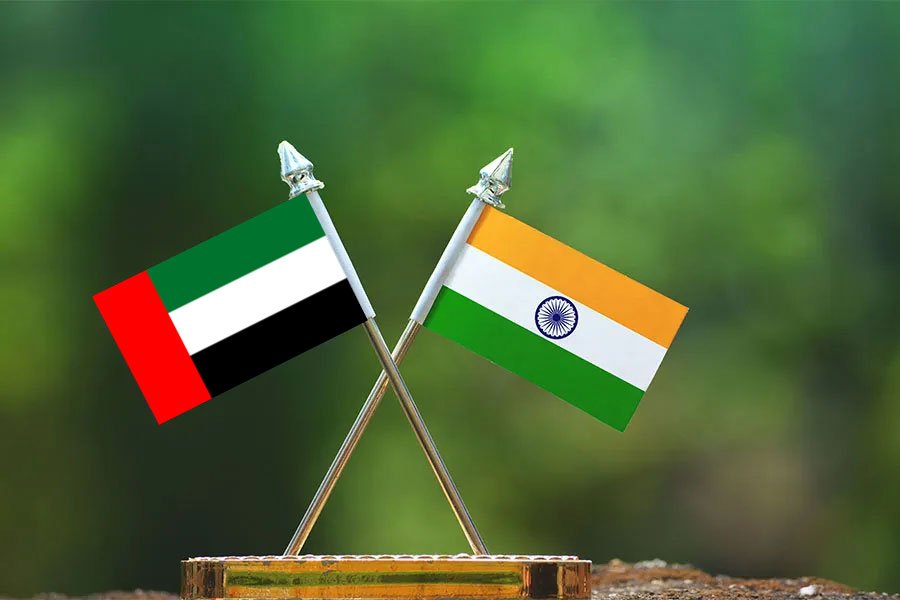

India and the United Arab Emirates share one of the most dynamic trade relationships in Asia. In 2025, bilateral trade continues to grow, covering sectors like oil and gas, gems and jewelry, textiles, technology, and food products. Understanding the trade dynamics is important for businesses, policymakers, and professionals across India, including Tier 2 and 3 cities, as it impacts exports, imports, and economic opportunities.
Energy trade is a cornerstone of the relationship. The UAE is a major supplier of crude oil to India, ensuring energy security for industries and households. Indian refiners and companies depend on this supply to meet growing domestic demand.
Non-oil trade is also expanding. India exports rice, seafood, pharmaceuticals, textiles, and IT services to the UAE, while importing gold, diamonds, and electronic products. This diversification strengthens business links and provides opportunities for small and medium enterprises across India.
Investments flow in both directions. UAE-based investors participate in Indian infrastructure, real estate, and technology projects, while Indian companies explore opportunities in logistics, renewable energy, and retail markets in the Gulf region. This cross-border investment supports employment and economic growth.
Trade agreements and diplomatic cooperation play a key role in simplifying customs, reducing tariffs, and facilitating smoother business transactions. Policies promoting bilateral trade help entrepreneurs and exporters, particularly in cities outside major metros, tap into global markets.
In conclusion, India–UAE trade relations are robust and multi-faceted. By fostering energy security, diversifying exports, and encouraging investment, the partnership provides significant economic opportunities. Businesses and professionals across India, including smaller cities, benefit from understanding and participating in this growing international trade corridor.