
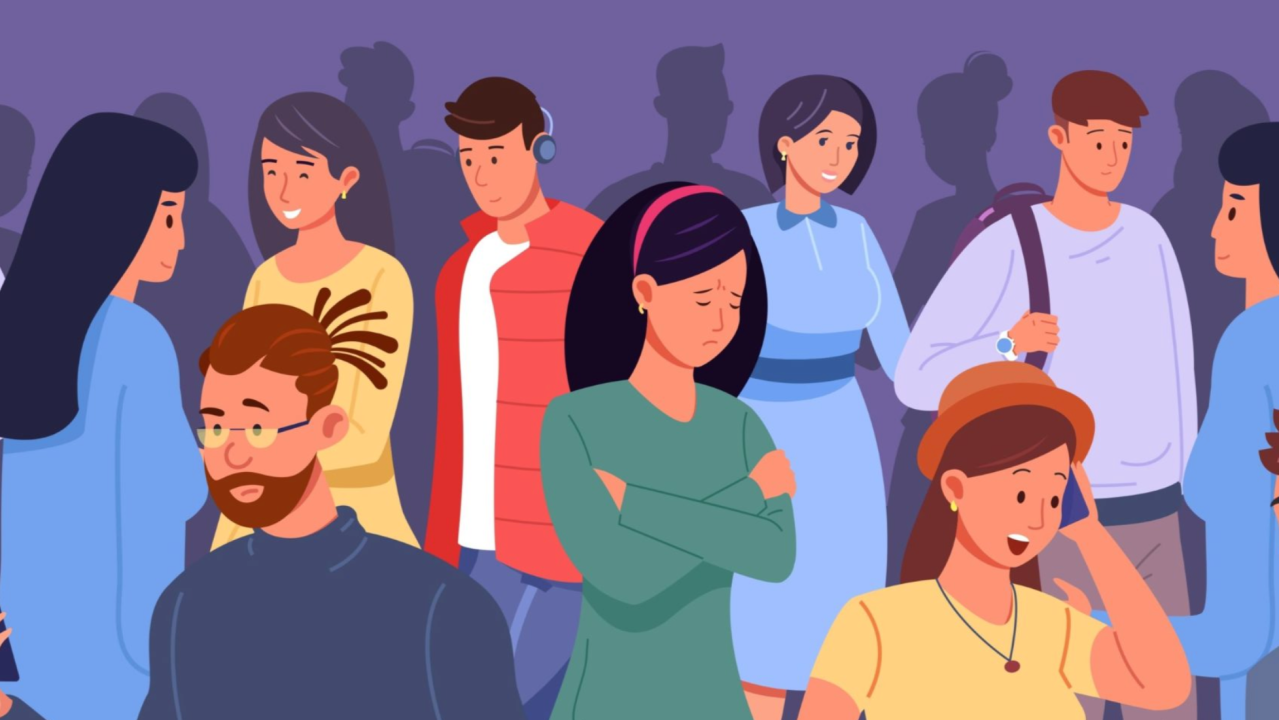

In a world where everyone is online, real human connection is quietly disappearing. People in cities scroll through endless feeds, reply to messages, and join group chats, yet still feel unseen and unheard. The irony is clear — the more connected our lives become digitally, the more emotionally distant we grow. This new kind of loneliness is shaping how people think, feel, and interact, especially among the urban youth.
The digital world was meant to bring people closer, but it often replaces genuine communication with surface-level interactions. Likes and comments feel like conversations, but they rarely fill the emotional gap that real connection offers. Many young professionals in cities now find themselves surrounded by digital noise but craving silence, intimacy, and understanding.
Work-from-home culture and online lifestyles have blurred the line between personal and virtual life. Social validation through likes and follows has become the new measure of worth. People hesitate to express vulnerability because online spaces reward perfection, not honesty. Over time, this creates a cycle — isolation masked by activity, and emptiness hidden behind engagement.
Tier 2 and Tier 3 cities, once known for close-knit communities, are also experiencing this shift. As more people move online for work, entertainment, and relationships, the sense of belonging built through in-person bonds is fading. What was once an evening of chai and conversation is now replaced by silent scrolling on screens.
The solution isn’t to abandon technology but to learn balance. Real connection comes from empathy, presence, and genuine conversation — things no app can fully recreate. As cities grow smarter, the challenge is to make human connections just as strong. Because being digitally connected means little if emotionally, everyone feels alone.