
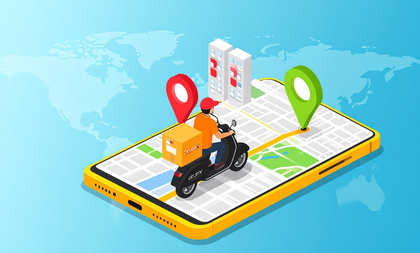

The rise of food delivery apps is changing the way urban Indians eat, work, and socialize. With just a few taps on a smartphone, meals from local restaurants or international cuisines can reach your doorstep within minutes. For Tier 2 cities, these platforms are not only convenient but also opening new economic opportunities for small eateries and delivery personnel, reshaping daily routines and consumption patterns across the country.
Convenience and Changing Eating Habits
Food delivery apps have made it easier for busy professionals, students, and families to access a variety of meals without leaving home. This convenience is altering traditional eating habits, with more people opting for ready-to-eat meals over home cooking, especially during workdays or late-night hours.
Economic and Social Impact
Beyond convenience, these platforms provide income opportunities for delivery staff and support small restaurants by expanding their reach. They also influence social interactions, as ordering in becomes a common choice for family gatherings, office lunches, and casual meet-ups.
Challenges and Considerations
While the benefits are evident, increased reliance on food apps raises concerns about unhealthy eating patterns, food safety, and environmental impact due to packaging waste. Responsible usage and awareness can help mitigate these issues.
Conclusion
Food delivery apps are no longer just a convenience; they are shaping urban lifestyle choices and the local economy. As more Indians embrace this digital trend, it is crucial to balance convenience with healthy habits and sustainable practices, ensuring long-term benefits for individuals and communities alike.