
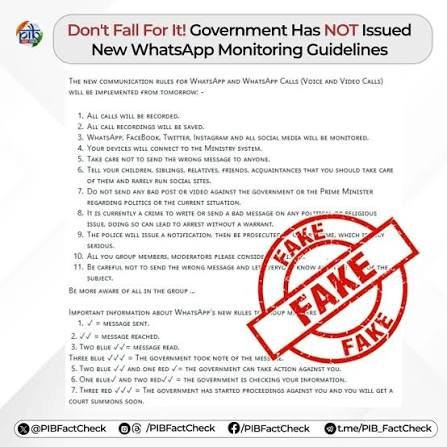

Fake government job notifications shared on WhatsApp have become one of the most common online scams in India. Knowing how to identify fraudulent recruitment messages can help job seekers avoid financial losses, protect personal information, and apply only through official government recruitment channels.
Government job notifications are among the most searched topics in India, making them a frequent target for scammers. Every year, fraudulent messages claiming to offer railway jobs, banking vacancies, SSC recruitments, state government posts, or work-from-home government jobs circulate widely on WhatsApp and Telegram. While genuine recruitment notifications are released regularly by government departments, fake job alerts often exploit unemployed youth by demanding registration fees or personal information.
As of July 2026, fake government recruitment messages remain an ongoing cyber fraud issue rather than a single news event. Cybercrime agencies and official government departments continue to advise citizens to verify every recruitment notice through official websites before applying.
Why Fake Government Job Notifications Spread So Quickly
WhatsApp allows messages to be forwarded instantly to hundreds of users. A fake recruitment message can reach thousands of people within a few hours, especially in local community groups, college groups, and employment channels.
Most scam messages use attention-grabbing headlines such as:
“Railway Recruitment 2026: Apply Now”
“Government Hiring 15,000 Candidates”
“No Exam Government Jobs”
“Last Date Today”
Some even include official-looking logos, PDF files, fake appointment letters, or edited newspaper images to appear authentic.
Since many job seekers fear missing an opportunity, they often forward these messages without verifying whether the notification is genuine.
Check the Official Government Website First
The easiest way to verify any government recruitment is by visiting the official website of the recruiting authority.
For example:
- Union Public Service Commission notifications appear only on the UPSC website.
- Staff Selection Commission vacancies are published on the SSC portal.
- Railway Recruitment Boards publish notifications only through official RRB websites.
- State Public Service Commissions release recruitment notices on their respective official portals.
If a WhatsApp message provides only a shortened link, a Google Form, or a private website instead of the official recruitment portal, it should be treated as suspicious.
Never rely solely on screenshots shared in messaging apps.
Watch for Common Warning Signs
Most fake government recruitment messages follow similar patterns.
Some common warning signs include:
- Asking candidates to pay a registration fee through UPI or personal bank accounts.
- Promising guaranteed government jobs without examinations or eligibility checks.
- Using poor grammar or spelling mistakes.
- Claiming vacancies far higher than officially announced.
- Creating urgency by saying applications close “today only.”
- Asking applicants to send Aadhaar, PAN, photographs, or bank details through WhatsApp.
Government recruitment agencies do not appoint candidates through WhatsApp chats.
Official recruitment processes follow published notifications, application portals, examinations, document verification, and formal appointment procedures.
Verify the Recruitment Advertisement Number
Every genuine government recruitment notification carries important details such as:
- Advertisement number
- Department name
- Official notification PDF
- Eligibility criteria
- Age limit
- Reservation details
- Selection process
- Official application dates
If any of these details are missing, verify them on the department’s official website.
Scammers often edit old recruitment advertisements and change only the dates, making expired notifications appear new.
Checking the advertisement number can quickly reveal whether the notification is authentic.
Be Careful with Fake Websites and Download Links
Cybercriminals frequently create websites whose names resemble official government domains.
For example, a fake website may use extra words, unusual spellings, or unfamiliar domain extensions to mislead users.
Official Indian government websites generally use trusted domains such as “.gov.in” or “.nic.in.”
Avoid downloading APK files or mobile applications shared through WhatsApp recruitment messages. These files may contain malware capable of stealing personal information, passwords, or banking credentials.
It is safer to search independently for the department’s official website instead of clicking forwarded links.
Never Pay Money for Government Recruitment
One of the biggest warning signs is any demand for payment outside the official application process.
While some government recruitment examinations have officially prescribed application fees, these are paid only through authorized government payment gateways during the online application process.
Scammers may ask applicants to pay “processing fees,” “document verification charges,” “medical clearance fees,” or “appointment confirmation fees” directly to personal accounts.
No legitimate government official will ask candidates to transfer money through WhatsApp, PhonePe, Google Pay, Paytm, or personal bank accounts to secure a government job.
If someone makes such a demand, it is almost certainly fraudulent.
Report Fake Job Notifications Immediately
If you receive a suspicious recruitment message:
- Do not forward it.
- Verify the information through the official recruitment website.
- Report suspicious WhatsApp messages using WhatsApp’s reporting feature.
- Inform family members and friends so they do not become victims.
- Report cyber fraud through India’s National Cyber Crime Reporting Portal or by calling the national cybercrime helpline if financial fraud has occurred.
Prompt reporting helps authorities track scam networks and prevent further victims.
Growing Digital Awareness Is the Best Protection
India’s digital recruitment ecosystem has made government job applications more accessible, but it has also created opportunities for fraudsters.
Job seekers should develop the habit of verifying every recruitment notice before applying. Taking a few extra minutes to check official sources can prevent financial loss, identity theft, and unnecessary stress.
Whether the notification concerns railways, banking, defence, teaching, or state government vacancies, the safest approach remains the same: trust only official recruitment portals and ignore forwarded messages that cannot be independently verified.
Key Takeaways
- Always verify government job notifications on the official recruitment website.
- Never pay money to individuals claiming to guarantee government jobs.
- Be cautious of WhatsApp messages containing unofficial links or urgent application claims.
- Report suspicious recruitment scams to cybercrime authorities and avoid forwarding them.
FAQs
Q1. Are government job notifications shared on WhatsApp always fake?
No. Genuine notifications may be shared by individuals, but they should always be verified through the official government website before applying.
Q2. How can I identify an official government recruitment website?
Official recruitment portals generally use trusted government domains such as .gov.in or .nic.in and publish complete recruitment advertisements with official reference numbers.
Q3. Can government departments ask for payment through WhatsApp?
No. Legitimate recruitment fees, where applicable, are collected only through official application portals and authorized payment gateways.
Q4. What should I do if I clicked a fake recruitment link?
Immediately avoid sharing further information, change important passwords if necessary, scan your device for malware, monitor your financial accounts, and report the incident through the National Cyber Crime Reporting Portal if you suspect fraud.