
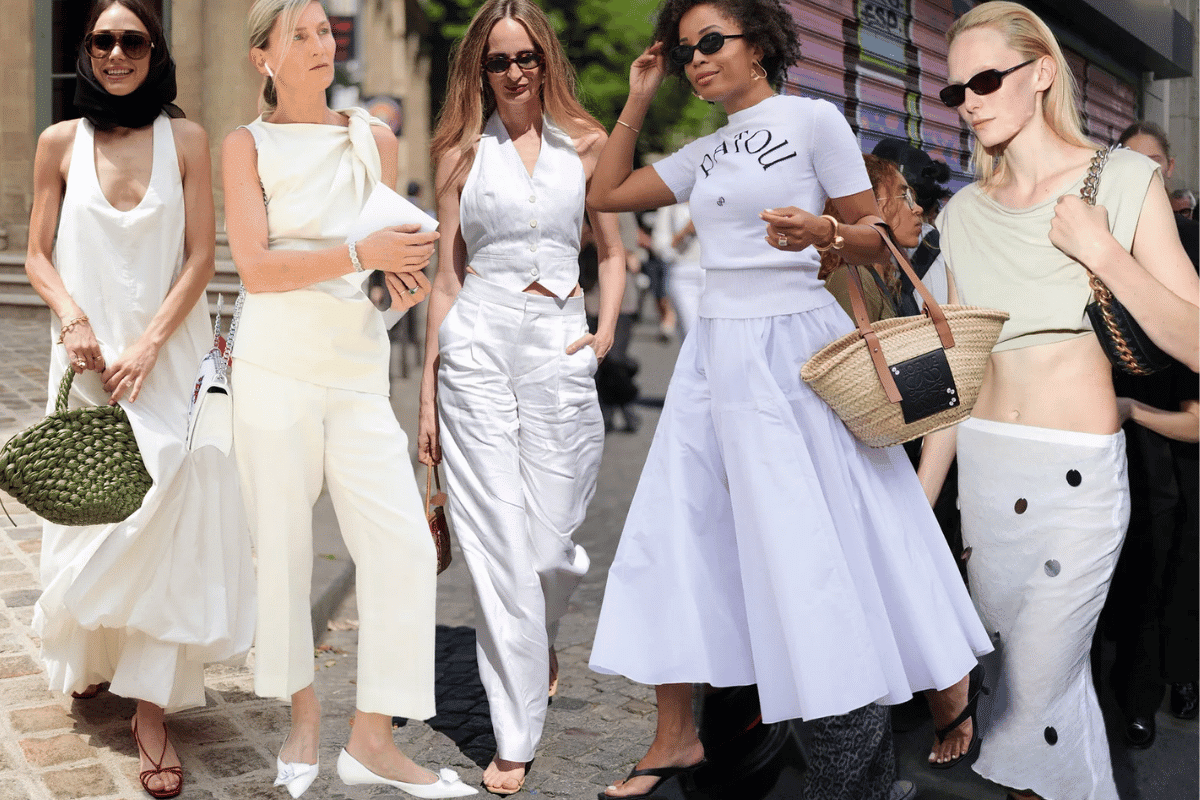

Gen Z in small cities is moving toward minimalist fashion as young consumers seek style that reflects individuality without heavy spending. The main keyword is minimalist fashion. Social media exposure, budget awareness, and personal identity expression are reshaping how young people in Tier 2 and Tier 3 cities shop and dress.
Minimalist fashion here does not mean expensive designer simplicity. It refers to intentional wardrobe choices, focusing on fewer pieces that are versatile, clean styled, and aligned with personal aesthetics. This shift marks a move away from loud, logo-heavy clothing trends that dominated earlier youth fashion cycles.
Identity Expression Over Brand Display
Young people in smaller cities are increasingly aware of how clothing reflects personal identity. Instead of selecting clothes to show brand status, they choose pieces that match personality and mood. Wardrobe basics such as plain tees, linen shirts, neutral tone kurtas, straight fit jeans, and subtle sneakers are gaining popularity. These items allow mix and match dressing across college, casual outings, and social media presentation. Students are using accessories like simple chains, tote bags, and minimal jewelry to add personal touch rather than flashy statement pieces.
This shift also connects with the desire to be seen as thoughtful and self-aware rather than influenced by flashy trend cycles. Many young people feel that minimal outfits reflect maturity and cultural self-confidence.
Budget Priorities And Smart Purchasing Habits
Families in Tier 2 and Tier 3 cities often monitor expenditure closely, and Gen Z is adapting to these financial realities without compromising self-expression. Rather than buying multiple low-quality items during sales, they prefer purchasing fewer durable pieces. Thrift pages on Instagram, local boutique outlets, and factory surplus stores are gaining steady footfall. Students also share outfit combinations within peer groups to extend wardrobe variety without large purchases.
Minimalist choices simplify decision making and reduce pressure to continuously chase trending designs. By focusing on repeat usability, students feel they are making practical and style-conscious choices simultaneously.
Influence Of Social Media And Micro Creators
Social media platforms such as Instagram and YouTube are shaping fashion sensibilities beyond metro-centric influencers. Micro creators from small towns are gaining followers by showcasing relatable minimalist looks that do not require expensive brands. Get ready with me videos, capsule wardrobe guides, and thrift styling reels are making minimal fashion appear both achievable and aspirational.
Algorithms now display region-specific content, making fashion inspiration feel culturally aligned. A student in Bhilai may follow a creator from Indore showcasing neutral monotones rather than a metropolitan influencer promoting high-cost seasonal trends.
Cultural Comfort And Practical Dressing
Minimalist fashion aligns comfortably with local climate and lifestyle in many smaller cities. Cotton, denim, rayon, and linen offer comfort in warm weather conditions common across most Indian regions. Clothing that is simple, breathable, and easy to maintain fits daily use patterns. Students need outfits that work for college lectures, café meetups, and casual family gatherings without drawing excessive attention or comment. Minimal style helps bridge public and private fashion expectations.
The approach also suits the practical realities of shared hostel rooms, limited closet space, and laundry constraints. A wardrobe built on multi-use pieces reduces maintenance load.
Local Boutique And Small Brand Ecosystem
Small fashion businesses in Tier 2 markets are responding quickly to this shift. Local boutiques are introducing earth tone palettes, handcrafted fabrics, and subtle silhouettes. Many labels are offering made-to-measure options at accessible prices. Textile clusters such as Jaipur cotton, Indore mill fabric, and Coimbatore knits are gaining renewed interest when framed through minimalist aesthetics.
Unlike earlier fashion cycles where metro designs influenced smaller towns, now small-town creators are shaping trends from the ground up. These brands highlight authenticity and place-based identity rather than mass trend slogans.
Minimalist Fashion As Social Positioning
Minimalist fashion is also becoming a subtle social signal. It suggests confidence without the need for external validation. Young people describe minimal style as calm, sorted, and self-assured. The consistency of color schemes and silhouettes reflects clarity of personal taste. This stands in contrast to fast fashion cycles that encourage rapid wardrobe turnover.
For some, minimalism also aligns with values of sustainability and reduced consumption. While not all Gen Z consumers adopt minimalism for environmental reasons, the outcome still supports more mindful purchasing behavior.
Takeaways
• Gen Z in small cities is choosing minimalist fashion to express identity without overspending.
• Social media micro creators are influencing relatable and region-aware styling habits.
• Local boutiques and textile clusters are supporting demand for subtle, versatile clothing.
• Minimalist wardrobes enable practical daily dressing and long-term style consistency.
FAQs
Is minimalist fashion more expensive than regular fashion?
Not necessarily. Minimal fashion focuses on fewer versatile items. Costs reduce when purchases are planned rather than trend-driven.
Do students follow specific brands for minimalist styling?
Many prefer unbranded or boutique labels. Fit, fabric, and usability matter more than logos.
Is this trend limited to fashion-forward circles?
No. The shift is visible across colleges, local cafés, coaching hubs, and weekend hangouts in small cities.
Does minimalist fashion mean wearing only neutral colors?
Neutral tones are common, but minimalism is about intention and versatility. Bright colors can also fit if used thoughtfully.