
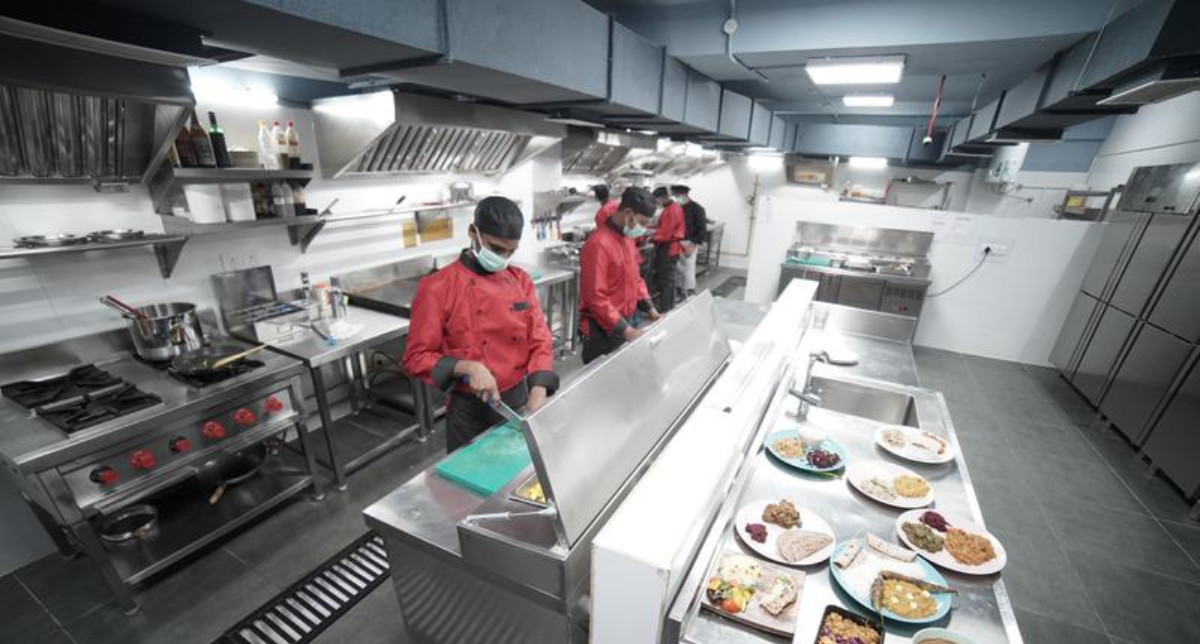

The home-based cloud kitchen business is becoming one of the fastest-growing small business models in India, especially in Tier-2 and Tier-3 cities. Lower startup costs, rising food delivery demand, and increasing smartphone usage have made cloud kitchens a practical option for home cooks, entrepreneurs, and small families looking to build an income source in 2026.
Why Cloud Kitchens Are Growing in Small Indian Cities
A cloud kitchen is a food business that operates without a dine-in restaurant setup. Orders are received through food delivery apps, WhatsApp, Instagram, or direct customer networks. The food is prepared from a home kitchen or small commercial cooking space and delivered to customers.
In cities like Nagpur, Indore, Ranchi, Surat, and Jaipur, changing food habits and app-based ordering culture have increased demand for affordable home-style meals, snacks, desserts, and regional dishes.
Many people now prefer hygienic homemade food over expensive restaurant meals. Working professionals, students, and small families are driving this trend. Food delivery platforms have also expanded aggressively into non-metro cities, making it easier for small businesses to reach customers.
Compared to traditional restaurants, cloud kitchens require significantly lower investment because there is no need for dining interiors, large staff, or premium commercial locations.
Choosing the Right Food Category for Your Cloud Kitchen
One of the most important decisions is selecting the right food niche. Successful cloud kitchens in smaller cities often focus on a limited menu instead of offering too many dishes.
Popular cloud kitchen categories in India include:
- Homemade thalis and tiffin services
- Biryani and rice bowls
- Snacks and street food
- Cakes and bakery items
- Healthy meals and diet food
- Regional cuisine such as Maharashtrian, Bengali, or South Indian meals
The choice should depend on local demand, competition, and cooking expertise. For example, in educational hubs like Kota or Pune, affordable tiffin services perform well because of student demand. In family-dominated residential areas, homemade meal subscriptions are more popular.
Food consistency matters more than a large menu. Customers usually reorder when taste, packaging, and delivery experience remain reliable.
Licenses and Registrations Required for Cloud Kitchens
Even home-based food businesses require certain registrations in India. The most important is the Food Safety and Standards Authority of India registration, commonly known as FSSAI license.
Small home kitchens with limited turnover usually need basic FSSAI registration, while larger operations may require state licenses.
Business owners may also need:
- GST registration if turnover crosses the applicable limit
- Trade license depending on local municipal rules
- Shop and establishment registration in some states
Following hygiene and food safety guidelines is essential. Clean cooking spaces, proper food storage, and safe packaging directly affect customer trust and online ratings.
Many delivery platforms now require businesses to upload licenses before onboarding.
Setting Up Your Kitchen With a Low Budget
A major advantage of home-based cloud kitchens is the low startup cost. Many businesses begin with existing household equipment before upgrading gradually.
Basic requirements usually include:
- Gas stove and utensils
- Refrigerator
- Food containers and packaging material
- Basic storage racks
- Smartphone for order management
Most small cloud kitchens in Tier-2 cities start with investments between ₹30,000 and ₹2 lakh depending on menu scale and equipment needs.
Packaging should not be ignored. Poor packaging can damage food quality during delivery and lead to negative customer reviews.
Several small businesses now use eco-friendly containers because customers increasingly prefer sustainable packaging.
Using Swiggy, Zomato, and Social Media for Orders
Food delivery apps like Swiggy and Zomato have become important growth channels for cloud kitchens. These apps provide customer access, payment systems, and delivery logistics.
However, commissions charged by delivery apps can reduce profit margins. This is why many small businesses also build direct customer networks through WhatsApp and Instagram.
Social media marketing has become especially important in smaller cities. Posting food videos, customer reviews, behind-the-scenes cooking clips, and festival offers can help attract local audiences.
Short-form video content on Instagram and local food influencer collaborations are now common marketing strategies for cloud kitchens.
Businesses that respond quickly to customer feedback and maintain strong online ratings often grow faster than competitors.
Common Challenges Cloud Kitchen Owners Face
Despite low startup costs, running a cloud kitchen requires consistency and time management. One common challenge is handling peak-hour orders with limited staff.
Delivery delays, packaging damage, and fluctuating ingredient costs can also affect profitability.
Another issue is intense competition. Many cities now have multiple home chefs and cloud kitchens offering similar food categories. Businesses need a unique selling point such as healthier ingredients, affordable pricing, specialty dishes, or regional flavours.
Customer retention is equally important. Repeat customers usually generate stable monthly income for small cloud kitchens.
Experts recommend starting with a small menu, monitoring customer preferences, and expanding gradually based on demand.
Future of Home-Based Food Businesses in India
India’s online food delivery market continues to expand beyond metro cities. Rising digital payments, smartphone usage, and convenience-focused lifestyles are supporting this growth.
Women entrepreneurs, homemakers, and first-time business owners are increasingly entering the cloud kitchen space because it allows flexible working hours and lower operational risks.
What this really means is that cloud kitchens are no longer limited to large urban centres. Smaller Indian cities are becoming major markets for affordable, locally made, and home-style food businesses.
For entrepreneurs who understand local tastes and maintain quality, home-based cloud kitchens can become sustainable long-term businesses in 2026.
Key Takeaways
- Cloud kitchens require lower investment than traditional restaurants
- Tier-2 and Tier-3 cities are seeing rapid growth in online food ordering
- FSSAI registration and hygiene standards are essential for operations
- Social media marketing and repeat customers drive long-term success
FAQ
What is a cloud kitchen?
A cloud kitchen is a food business that prepares meals only for delivery or takeaway without a dine-in restaurant setup.
Is FSSAI registration mandatory for home kitchens?
Yes. Food businesses in India generally require FSSAI registration or licensing depending on turnover and scale.
How much investment is needed to start a cloud kitchen?
Small home-based cloud kitchens can start with investments ranging from ₹30,000 to ₹2 lakh based on equipment and menu size.
Which food items are most profitable in cloud kitchens?
Tiffin services, biryani, snacks, bakery products, and regional meals are among the most profitable categories in many Indian cities.