
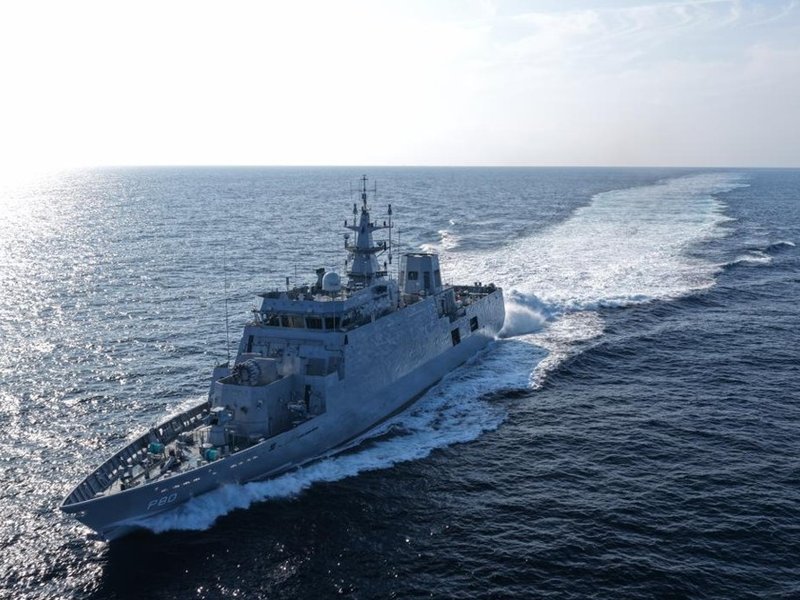

The commissioning of INS Mahe at the Naval Dockyard, Mumbai marks a significant elevation in India’s coastal security posture. This news-oriented article explains why this addition to the fleet strengthens littoral defence and what it signals for smaller port towns along India’s coastline.
The induction of the vessel strengthens India’s ability to conduct anti-submarine warfare in shallow waters, reinforcing the country’s coastal security grid. For smaller port towns, this means enhanced maritime surveillance, quicker response capability in their waters and greater integration into national defence strategy.
A new era in littoral defence and anti-submarine capability
The main keyword “INS Mahe” naturally appears here. The vessel is the first of the Mahe-class Anti-Submarine Warfare Shallow Water Craft (ASW-SWC) designed specifically to operate in India’s littoral zones. Its commissioning expands the capacity to detect and neutralise submarine threats close to shore, an area where larger deep-water warships are less effective. Coastal security in regions where smaller ports are vulnerable — including parts of the west and east coasts — receives a boost. The vessel’s stealth, shallow-draft design and indigenous construction contribute to its purpose.
Implications for India’s domestic shipbuilding and self-reliance push
The “Mahe” class vessel is built with high indigenous content, representing a strategic shift in India’s defence manufacturing. This ties into the “Make in India” / self-reliance narrative by demonstrating that advanced naval combatants can be designed and built domestically. For smaller port towns, this means the national navy is leveraging more local manufacture and regional shipyard capacities — potentially opening spill-over benefits in supply chains, servicing, maintenance and regional infrastructure. It signals that maritime defence assets are increasingly accessible to regional hubs, not just major metro ports.
Why smaller port towns gain from this enhanced coastal grid
The arrival of INS Mahe translates into better security for smaller port towns in multiple ways. First, improved anti-submarine presence means reduced vulnerability of smaller coastal harbours to submarine infiltration or underwater threats. Second, the vessel can conduct patrols, mine-laying and search-and-rescue operations in shallow waters that servicing vessels previously struggled with. Third, smaller ports may see increased naval logistics and support activity, raising local infrastructure potential and offering ancillary employment in maintenance or supply services. Finally, the national focus on littoral craft ensures these towns are not sidelined in maritime strategy but integrated into the coastal defence network.
Operational and strategic benefits within regional maritime context
INS Mahe’s commissioning improves fleet flexibility: its smaller size, shallow draft and high mobility suit the congested, sometimes draft-limited waters of India’s inner coastal zones and island networks. Its anti-submarine warfare (ASW) systems mean better surveillance and deterrence close to shore. Strategically, this means the Western Seaboard and other zones near smaller ports are better defended. For example, during increased frictions or exercises, the vessel can be deployed from nearby smaller port installations rather than relying solely on major naval bases, thus improving response times and coverage.
Challenges and next steps for ports and local infrastructure
While the vessel strengthens capability, smaller port towns will need complementary upgrades: better port infrastructure, logistics support for servicing and repair, harbour security mechanisms and coordination with coast guard and naval networks. They must also ensure local defence-industrial ecosystems can support maintenance and spare-parts supply. For full benefit, local authorities and port trusts will need to align with the navy’s deployment plans and defence logistics frameworks. Ensuring training, docking facilities and supply chains reach smaller ports is critical.
Takeaways
The induction of INS Mahe boosts India’s shallow-water anti-submarine and coastal patrol capability
High indigenous content signals stronger domestic shipbuilding and regional industrial benefits
Smaller port towns stand to gain from enhanced maritime security, faster responses and logistics activity
Full impact demands complementary upgrades in local port infrastructure, servicing and regional coordination
FAQs
What is the Mahe-class vessel designed for?
It is tailored for shallow-water anti-submarine warfare, coastal patrol, mine-laying and surveillance tasks in littoral zones where larger vessels are less efficient.
How do smaller port towns benefit directly from this commissioning?
They receive improved maritime protection near their shores, faster naval support in emergencies, and potential economic uplift through servicing, logistics and defence-industrial ties.
Does this vessel replace older ships in the fleet?
Yes, it replaces or supplements older shallow-water ASW platforms, allowing enhanced coverage of littoral waters and freeing larger warships for deep-water roles.
What infrastructure do smaller ports need to support such vessels?
They require adequate docking, repair and logistics facilities, coordination with naval operations, secure supply chains for spares and trained local workforce to support these vessels.