
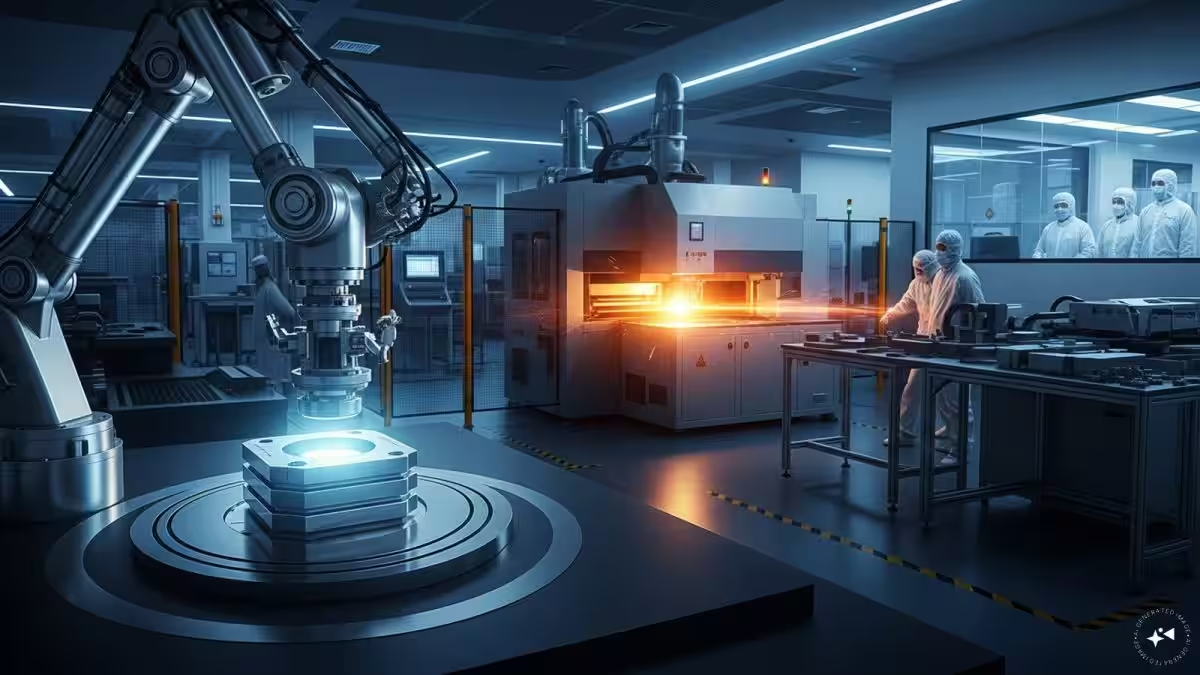

India’s decision to invest ₹7,280 crore in rare-earth magnet facilities aims to reduce import dependence and build domestic supply for key components in electronics and electric vehicles. This move could open real opportunities for startups and manufacturing hubs in upcountry regions.
Why rare-earth magnet manufacturing matters for electronics and EVs
The main keyword rare-earth magnet facilities fits here because magnets made from rare-earth elements are essential components in electric motors, generators, speakers, sensors and many electronic devices. Without a reliable domestic supply, manufacturers — especially for EVs and consumer electronics — rely heavily on imports. The ₹7,280 crore national push intends to build capacity for producing these magnets locally. That would cut supply chain bottlenecks, stabilise costs, and give Indian makers more control over critical inputs.
In turn, downstream manufacturers and startup ventures can plan products with better cost predictability. For an EV startup, reliable magnet supply means they can source motors and sub-assemblies within India. For electronics firms, it reduces dependency on imports for speakers, magnetic sensors, hard-disk motors and other components. Affordable, locally made magnets could lower manufacturing costs and improve supply chain resilience across sectors.
How this scheme can benefit upcountry and Tier-2/Tier-3 startups
The secondary keyword manufacturing opportunities in upcountry regions becomes relevant because domestic magnet plants won’t be located only in major metros or established industrial zones. The government may encourage setting up new facilities in states with industrial potential but lacking high-end inputs. That opens doors for startups in these areas — from motor manufacturing to small appliance or EV component assembly.
Entrepreneurs in smaller cities could source magnets without paying hefty import-related freight or customs charges. This reduces overheads and opens possibilities for niche manufacturing: small home appliances, e-bikes, solar-powered fans, budget electric vehicles, or compact audio devices. The lower cost base and improved supply chain may also attract investors to regional startups.
Potential boost for EV ecosystem and component suppliers
India is pushing toward electric mobility. Local magnet production will support motor manufacturers, assembly plants and component suppliers. With magnets being a core part of EV motors, domestic supply reduces dependency on foreign imports, accelerates lead times, and lowers cost.
For component suppliers in Tier-2 cities, easier access to raw materials can trigger growth. Suppliers of motors, chargers, sensors, electronic drives and battery accessories may find collaboration easier and cheaper. Over time, this can decentralise EV supply chains — shifting some manufacturing from big metro clusters to smaller cities and industrial belts.
Opportunities for skilled labour and regional industrial growth
Establishing magnet production and related manufacturing units in non-metro areas can create skilled jobs locally. Workers can be trained in metallurgy, precision component manufacturing, quality control, assembly and packaging. This may encourage retention of talent in home towns instead of migration to big cities.
Regional growth may not stop there. Supporting industries — powder metallurgy, plastic moulding, motor assembly, battery systems, electronics assembly — can sprout. Local logistic networks, warehousing and transport services may also find fresh demand. The push can trigger an industrial ripple effect benefitting whole regions outside traditional industrial corridors.
Challenges and what needs to be addressed for real impact
Technology readiness is a key concern. Rare-earth magnet manufacturing involves precision metallurgy, stringent quality controls, handling of rare-earth materials and environmental safeguards. If startups or small manufacturers lack technical capabilities, supply may not meet quality standards needed for EV motors or sensitive electronics.
Raw material sourcing is another challenge. Rare-earth elements are mined and refined; ensuring a stable and ethical source chain within India is critical. Without that, domestic plants may again depend on imports, defeating the purpose.
Infrastructure in upcountry regions must support heavy manufacturing: electricity supply, waste management, transport connectivity. Regulatory clarity and incentives will matter to attract investments. For small startups, initial capital and compliance burden could be a barrier.
Takeaways
Domestic rare-earth magnet production can reduce import dependency for electronics and EV makers
Upcountry startups gain access to core components at lower cost and better supply stability
Regional industrial growth can create jobs and decentralise manufacturing beyond metros
Success depends on technology capability, raw-material supply chain and infrastructure support
FAQs
Why are rare-earth magnets important for EVs and electronics
They are crucial for electric motors, sensors, speakers and many devices where magnetic components allow efficiency, compact design and performance.
Can small startups benefit from this scheme
Yes. Lower-cost magnets and stable supply enable startups in smaller cities to build motors, appliances or EV components without heavy reliance on imports.
Will this reduce cost of electric vehicles and electronics in India
Potentially yes, because lower input costs and reduced supply chain overheads may bring down manufacturing expenses, which could reflect in end-user pricing over time.
What challenges could derail these plans
Lack of technical expertise, unreliable rare-earth availability, infrastructure deficits and compliance costs in smaller cities may hamper effective implementation.