

Government startup schemes have become an important source of support for young entrepreneurs in India. From funding assistance and tax benefits to mentorship and incubation support, these programs can help early-stage businesses reduce costs and accelerate growth when used effectively.
Understanding Government Startup Schemes for Entrepreneurs
Government startup schemes are designed to encourage innovation, employment generation, and business creation. Over the past decade, India has developed multiple initiatives to support startups across sectors such as technology, manufacturing, agriculture, healthcare, education, and renewable energy.
Young entrepreneurs often assume that government support is available only for large companies or technology firms. In reality, many schemes are open to startups, small businesses, student entrepreneurs, women founders, and first-time business owners.
Some programs focus on funding, while others provide incubation support, market access, skill development, or credit guarantees. Before applying, entrepreneurs should clearly identify their business stage, industry, and funding requirements.
Understanding the purpose of each scheme helps applicants target opportunities that match their business goals instead of applying randomly.
Popular Startup Support Programs in India
Several government-backed initiatives have become well-known among entrepreneurs.
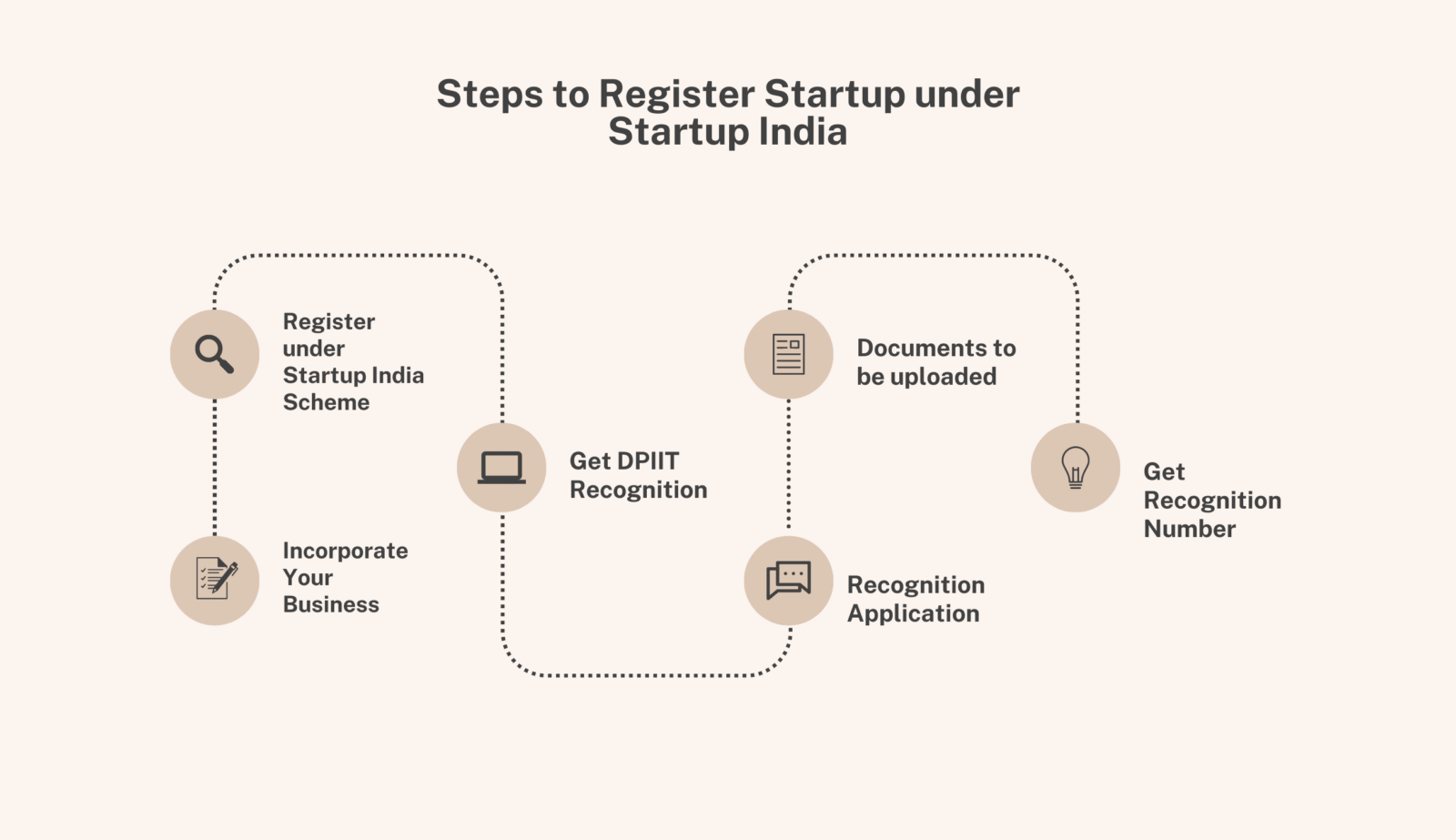
Startup India is one of the most recognized programs, offering startup recognition, networking opportunities, and access to various benefits. Registered startups may also gain access to certain tax-related incentives and government-supported initiatives, subject to eligibility conditions.
Other support mechanisms include incubation centers, innovation missions, technology development programs, state startup policies, and credit support schemes for small businesses.
Many state governments have also launched startup policies that provide grants, infrastructure support, mentoring, and incentives for businesses operating within their regions.
Entrepreneurs should regularly review both central and state government programs because eligibility criteria, application windows, and available benefits may change over time.
Prepare Essential Documents Before Applying
A significant number of applications are delayed or rejected because of incomplete documentation.
Before applying for any startup scheme, prepare the following:
- Business registration documents
- Founder identification documents
- Business plan or project report
- Financial projections
- Product or service description
- Pitch deck for investors or evaluators
- Bank account details
- Relevant licenses if applicable
A strong business plan is particularly important. Government evaluators often want to understand the problem being solved, target customers, revenue model, growth potential, and employment impact.
Even early-stage businesses should present realistic projections and clearly explain how support from the scheme will be used.
Well-organized documentation improves credibility and speeds up the evaluation process.
Follow the Application Process Carefully
Every startup scheme has its own application procedure. Some applications are submitted through dedicated online portals, while others may involve incubation centers, government agencies, or partner institutions.
Before submitting an application:
- Read all eligibility requirements carefully.
- Verify deadlines and submission dates.
- Check document formats and file size requirements.
- Review evaluation criteria.
- Ensure all information is accurate and consistent.
Avoid exaggerating achievements or making unrealistic financial claims. Evaluators often verify information during the assessment process.
Applicants should also keep copies of all submitted documents and application acknowledgments for future reference.
Careful attention to instructions can significantly improve the chances of successful application processing.
Increase Your Chances Through Incubators and Mentorship
Startup incubators and entrepreneurship centers can play an important role in helping founders secure government support.
Incubators often assist entrepreneurs with:
- Business model development
- Funding applications
- Pitch preparation
- Regulatory guidance
- Industry networking
- Investor connections
Many government-supported schemes work closely with recognized incubators and innovation centers. Startups associated with credible incubation programs may benefit from additional mentoring and technical assistance.
Young entrepreneurs should also participate in startup events, innovation challenges, and entrepreneurship workshops where information about upcoming opportunities is frequently shared.
Building relationships within the startup ecosystem can provide valuable guidance throughout the application journey.
What Happens After Approval?
Receiving approval is only the beginning. Entrepreneurs must use the support responsibly and comply with reporting requirements.
Depending on the scheme, businesses may need to submit progress reports, utilization certificates, financial updates, or milestone achievements.
Government agencies typically expect startups to demonstrate measurable progress and proper use of allocated resources.
Founders should maintain accurate financial records, track business performance, and document achievements regularly.
Successful utilization of one scheme can also improve credibility when applying for future grants, funding opportunities, or accelerator programs.
For many startups, government support serves as a stepping stone toward private investment, commercial expansion, and long-term sustainability.
Key Takeaways
- Government startup schemes provide funding, mentorship, incubation, and business support opportunities.
- Preparing complete documentation improves application quality and approval chances.
- Entrepreneurs should carefully review eligibility criteria before applying.
- Incubators and mentorship programs can strengthen applications and support business growth.
FAQ
Who can apply for government startup schemes in India?
Eligibility varies by program, but many schemes are open to registered startups, young entrepreneurs, students, women founders, and small business owners.
Do I need a registered company before applying?
Many startup programs require formal business registration, although some innovation and incubation initiatives may support early-stage ideas before full registration.
Is funding guaranteed after application?
No. Applications typically undergo evaluation based on eligibility, innovation, business viability, and program-specific criteria.
Can entrepreneurs apply for both central and state government schemes?
In many cases, yes. Entrepreneurs may be eligible for multiple support programs if they meet the requirements of each scheme.
(government startup schemes, startup india benefits, young entrepreneur guide, startup funding India, startup registration process, government grants for startups, business incubation programs, entrepreneurship support India, startup application guide, startup ecosystem India)