
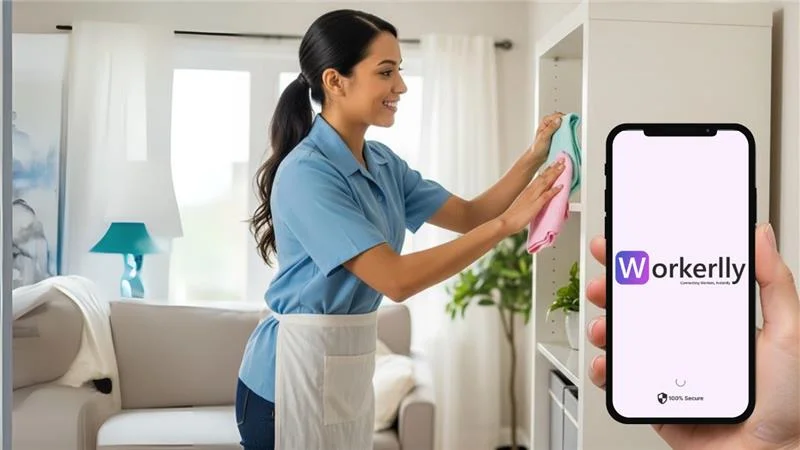

Finding reliable domestic help is becoming easier as tech platforms bring identity verification, background checks and structured hiring to households in small towns. This guide explains how to apply for verified domestic help using these platforms, how the process works and what to check before confirming a hire. The main keyword clean verified domestic help appears naturally in the first paragraph to support SEO.
Understanding how tech platforms verify domestic workers
Many domestic help platforms run KYC checks, police verification where available and past employer validations. This gives small town households a safer alternative to informal referrals. Most apps let users choose part time, full time or hourly workers and filter by skills such as cooking, cleaning or elder care. Verification levels vary across platforms so checking the details inside the profile is essential.
Creating your account and setting household requirements
Before applying for a worker, create an account with your mobile number. This step helps platforms keep a record of bookings and allows support teams to contact you. After logging in, specify the type of domestic help you need, the daily time requirement and preferred shift hours. Secondary keywords like domestic help apps and verified workers fit organically inside this section. Households in small towns should clearly mention the number of family members, whether pets are present and any special tasks needed. A clear requirement leads to more accurate matches and fewer rejections.
Reviewing verified profiles and comparing skill ratings
Once requirements are saved, the app displays a list of verified workers. Each profile usually contains age, experience, ID verification status and user ratings. Some platforms add training badges to certify skills like hygiene standards or childcare handling. It is important to check the verification stage. For example, a profile marked ID verified has completed KYC, while a fully verified profile includes police check and past employer feedback. Compare two to three profiles before shortlisting. Focus on experience, punctuality ratings and hygiene feedback because these influence day to day satisfaction more than generic skill tags.
Scheduling an interview and completing background checks
After shortlisting, schedule an in app or phone interview. Interviews help both sides understand expectations. Ask about previous households, preferred working style and comfort with tasks. Small town households should confirm whether the worker is familiar with local commuting routes and has a backup plan during transport strikes or weather disruptions. Most platforms allow you to request a digital copy of the verification report. If police verification is only partially complete, confirm the expected completion date before onboarding. Clarify salary, weekly offs and trial days upfront to avoid disputes later.
Completing booking, trial period and final onboarding
Once both sides agree, complete the booking within the app. Payment modes vary. Some platforms accept digital payments while others collect service fees separately and leave salary payment directly between household and worker. A short trial period of two to five days is useful to check compatibility. Track punctuality, hygiene quality, ability to follow instructions and behaviour with family members. If satisfied, confirm final onboarding inside the app so the platform records the assignment. This ensures you can request replacements or raise concerns if needed.
Maintaining a smooth working relationship with verified help
After hiring, communicate expectations clearly. Give a written list of tasks for the first week. Tech platforms often include in app chat logs, attendance records and complaint tools. Use these features to maintain transparency. Households in smaller cities benefit from structured communication because it reduces misunderstandings and helps workers feel secure about their responsibilities. Periodic feedback makes the arrangement stable and improves retention. If the worker needs leave, record it inside the app so both sides have a documented history.
Using additional platform services for safety and quality
Some domestic help platforms offer add on services such as periodic background monitoring, emergency customer support and optional insurance for accidental damage. These features can be helpful for households with elderly members or children. App based safety layers bring more accountability than informal hiring channels and reduce the risk of identity mismatch or fraudulent profiles. Small town users should check if the platform operates a physical support team locally because response time matters during escalations.
Takeaways
Clean verified domestic help is easier to access through structured tech platforms
Check verification levels fully before shortlisting a worker
Use interviews and trial periods to confirm fit
Record communication and feedback inside the app for transparency
FAQ
How long does the verification process take
Most platforms complete KYC instantly while police verification can take a few days depending on the city.
Do households need to pay a platform fee
Some apps charge a one time matching fee while others take a recurring service charge. Charges depend on city and service type.
Is police verification mandatory
It is not mandatory but strongly recommended. Households should prioritise profiles with completed police checks.
Can small town users get replacements quickly
Replacement times depend on the local worker pool. Cities with larger supply provide faster replacements, while Tier 2 areas may take slightly longer.