
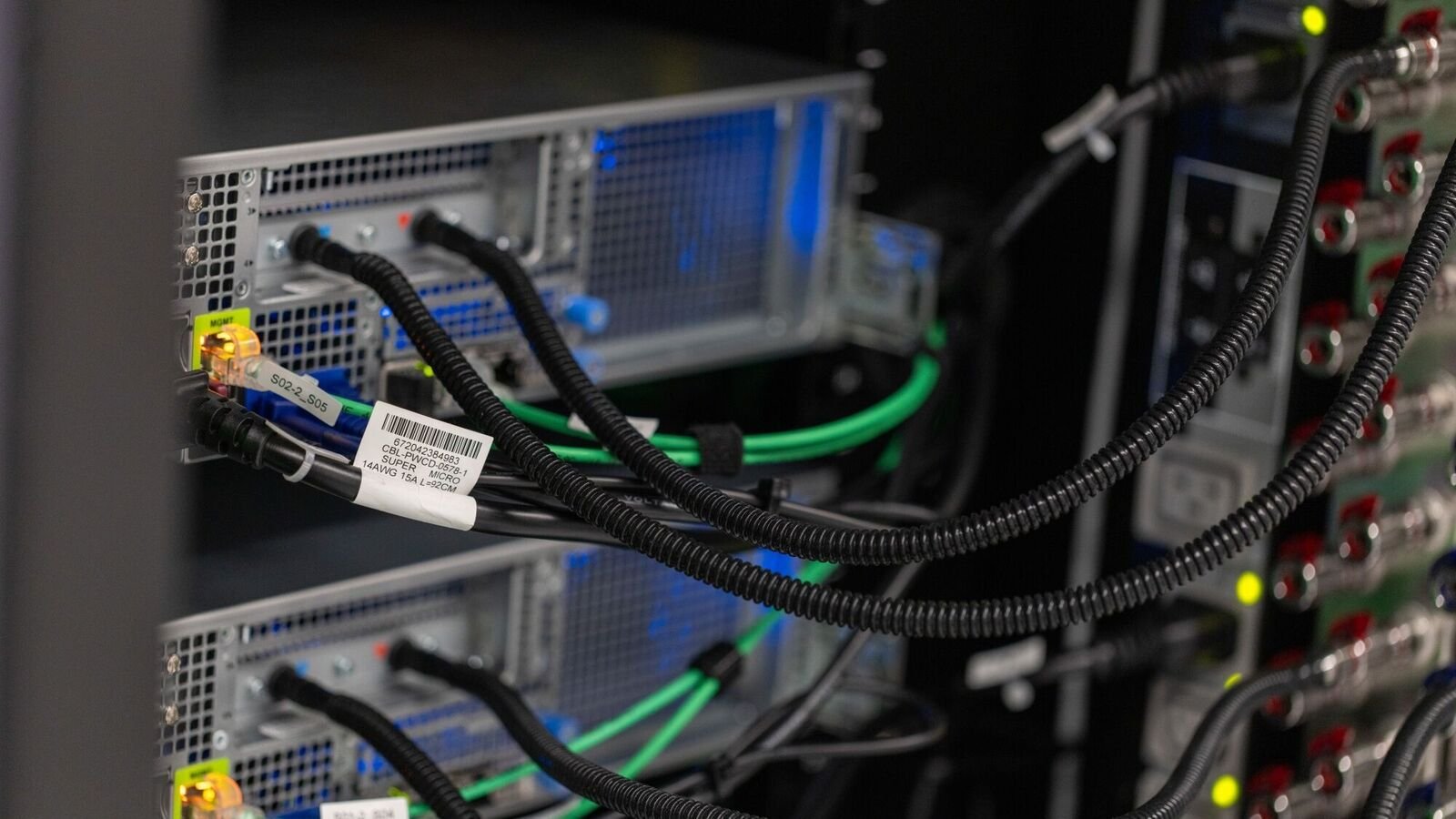

The massive data centre push underway in India signals a major shift in digital infrastructure and the main keyword data centre push highlights how expanding capacity shapes growth in non metro regions. As companies invest in new facilities, smaller cities face opportunities and resource challenges that will influence how digital services evolve over the next decade.
Understanding why data centre expansion is accelerating
Data centre investments are rising due to increasing demand for cloud services, AI workloads, real time analytics and digital public infrastructure. India’s growing internet user base and rapid enterprise adoption of digital tools have created the need for more storage and processing power. Earlier, most facilities were concentrated in metros. Companies are now expanding to non metro regions to reduce latency, reach new markets and optimise operational costs. Secondary keywords like digital infrastructure growth and non metro expansion support this context. The shift aligns with national goals of improving data localisation and strengthening India’s technological capabilities.
Why non metro regions are becoming strategic locations
Non metro cities provide cost advantages such as lower land prices, reduced congestion and easier clearances. As digital penetration grows in Tier 2 and Tier 3 cities, companies want data centres closer to users to improve speed and reliability. Locations like Nagpur, Indore, Jaipur, Kochi and Bhubaneswar are seeing interest due to their central connectivity, availability of land and supportive local policies. Setting up in non metro regions helps operators diversify risk, avoid over dependence on saturated metro hubs and prepare for rising regional demand. This geographic spread strengthens the overall resilience of national digital systems.
Analysing economic opportunities for local communities
Data centre projects create benefits through direct employment, indirect contracting opportunities and increased demand for supporting services. Construction phases involve engineers, contractors and technicians. Once operational, facilities require skilled staff for IT management, security, cooling operations and maintenance. Local service providers such as electrical firms, transport companies and equipment suppliers gain new business opportunities. The presence of modern digital infrastructure encourages enterprises to set up regional offices or smaller tech hubs nearby. For many non metro cities, data centres act as anchor projects that attract associated industries and technology driven startups.
How data centres can improve digital access and service quality
Placing data centres closer to users reduces latency, which improves loading speeds for apps, streaming platforms, payments and cloud based services. This supports the growth of small businesses using digital marketplaces, fintech platforms and online ordering systems. Data localisation improves security for government platforms and financial services. Public services like digital health records, online education tools and e governance systems become more reliable when supported by nearby data processing hubs. The shift strengthens digital inclusion for smaller cities and builds confidence among businesses that depend on stable connectivity.
Understanding the resource and infrastructure challenges
While the data centre push benefits non metro regions, it also introduces resource challenges. Data centres require large amounts of electricity, consistent power supply and advanced cooling systems. Many smaller cities face infrastructure gaps such as unstable electricity grids, limited renewable energy capacity and weaker fibre connectivity. Water usage for cooling systems can strain local supply if not managed responsibly. Cities must balance industrial growth with environmental sustainability. Operators are exploring solutions like liquid cooling, renewable energy integration and improved heat management to reduce impact on local resources. Coordinated planning between state governments, utilities and private operators is essential to prevent bottlenecks.
Evaluating long term sustainability and regional readiness
For non metro regions to fully benefit, long term planning is crucial. Cities must upgrade power infrastructure, encourage renewable energy adoption and strengthen high speed fibre networks. Skilled workforce development is a priority because data centres require specialised roles. Local institutions can introduce training programs in data centre operations, cybersecurity and hardware management. Sustainable growth depends on integrating efficient cooling technologies and ensuring responsible resource use. Cities that build these capabilities early will gain competitive advantage. The expansion also positions non metro India as an important contributor to the national digital economy.
How government and industry policies influence outcomes
Government incentives such as tax benefits, simplified clearances and infrastructure support influence where companies build new facilities. States that streamline processes attract faster investments. National level policies encouraging data localisation and AI development further accelerate demand. Collaboration between public and private sectors determines whether new capacity translates into real economic growth. Non metro regions with proactive governance, reliable utilities and supportive regulations will experience the strongest outcomes from the data centre wave.
Takeaways
Data centre expansion creates major opportunities for non metro regions
Local economies benefit through jobs, services and digital reliability
Infrastructure constraints must be addressed to ensure sustainability
Government incentives and planning shape long term outcomes
FAQ
Why are data centres expanding beyond metro cities
Companies want lower costs, reduced congestion and better access to users in emerging cities with rising digital demand.
What benefits do data centres bring to non metro regions
They create jobs, improve service reliability, attract tech businesses and strengthen local digital ecosystems.
Do data centres strain local resources
Yes. They require significant power and cooling. Sustainable technologies and planning help manage resource pressure.
Will smaller cities become major tech hubs
Cities that invest in infrastructure, training and renewable power can grow into strong regional technology centres.