
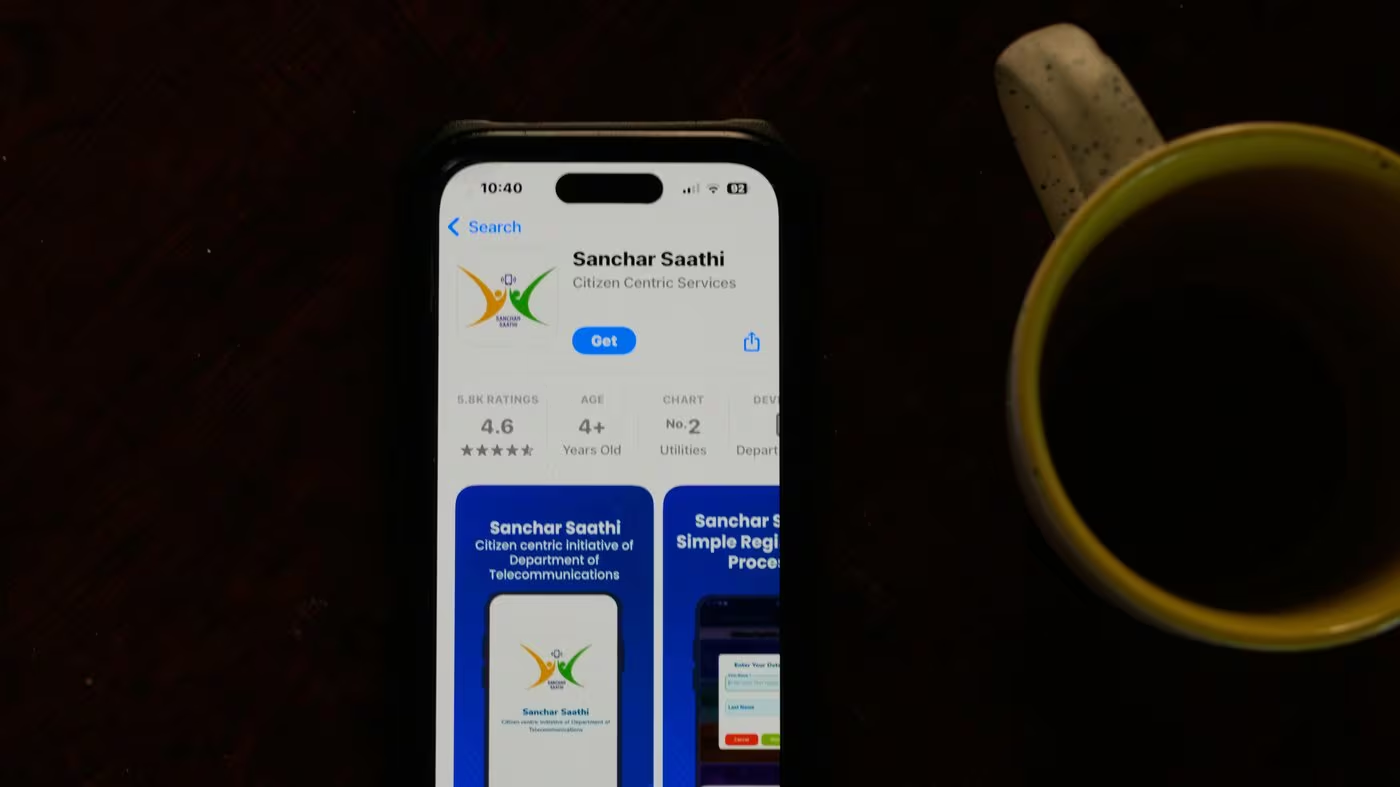

Government cybersecurity apps are becoming essential tools for protecting smartphones from scams, malware and identity theft. The main keyword government cybersecurity apps appears early because this guide explains how users can install and use these official tools safely while understanding their benefits and limitations across everyday digital activities.
As digital payments and smartphone based authentication continue to rise, citizens face increasing risk from phishing attacks, fake apps and remote hacking attempts. Government backed security tools help reduce these threats by adding identity checks, device risk analysis and secure communication features. This tutorial focuses on safe installation practices, key settings to enable and how to ensure your data stays protected.
Verify And Download Official Apps Safely
Secondary keyword: cybersecurity app installation
Start by confirming whether the cybersecurity app you want to install is officially released by a government department or agency. Look for publication details on the legitimate portal before proceeding. Fake versions often appear on unofficial sites, especially when the app becomes popular.
Download only through trusted app stores. For Android users, the Google Play Store remains the safest channel. For iPhone users, the App Store is the only approved source. Never download an APK file unless specifically instructed by the authority and published through an official channel.
Before installing, check the app permissions listed on the store page. Government cybersecurity apps may require access to notifications, device information or SMS read permissions to detect suspicious behaviour. However, the permission list should be limited and logically aligned with the app’s purpose. Avoid apps requesting unrelated permissions like microphone or gallery access unless clearly required for a feature.
Secure The Initial Setup And Account Registration
Secondary keyword: cybersecurity setup steps
Once the installation begins, ensure your phone is connected to a secure WiFi or mobile network. Public WiFi networks are risky during authentication because they increase the chance of interception. Use your mobile data if you are unsure about the safety of a network.
During registration, the app may ask for your mobile number or Aadhaar linked details for verification. Enter these only when the app is confirmed genuine. Many apps use OTP based verification to tie your identity to the device. Never share OTPs with anyone, including callers claiming technical support.
Set a strong device passcode before using any cybersecurity app. If your phone is unlocked or uses a weak pattern, the app’s protection becomes less effective. Biometric locks help add another layer of security. Complete the setup in one attempt without switching screens to avoid accidental timeouts or partial registrations.
Enable Core Protection Features
Secondary keyword: security features smartphone
Government cybersecurity apps usually include multiple layers of protection. Start with enabling real time threat detection. This feature checks URLs, messages and apps for malicious patterns. It also alerts users when they encounter phishing websites or unsafe downloads.
Next, turn on device health monitoring. This tool runs in the background and detects risky configurations, outdated operating systems or suspicious app behaviour. Regular prompts guide users to update software or revoke dangerous permissions.
Some cybersecurity apps include secure communication features. These allow verified channels for reporting cyber complaints or receiving alerts from government agencies. Keep these notifications on because they often warn about new scam patterns or region wise threats.
If the app includes a panic button for emergency reporting, learn how it works. It helps users raise a quick alert if they fall victim to online fraud.
Use The App Regularly Without Compromising Privacy
Secondary keyword: safe app usage
Cybersecurity apps require periodic checks from the user. Open the dashboard weekly to review alerts, permissions and device status. Clear any recommended actions quickly because unresolved warnings increase vulnerability.
Avoid granting the app permissions beyond what is essential. If you see optional permissions that are not needed for security features, keep them disabled. Review the permission settings every month to ensure no third party apps gained invasive access.
Do not rely solely on the app for protection. Safe browsing habits, careful handling of links and strong passwords are still necessary. Use a password manager and enable two factor authentication for banking apps and email accounts.
If your phone becomes unusually slow, heats up or shows pop ups despite using the cybersecurity app, run a full device scan. If the problem persists, reset your device after backing up important files.
Update And Maintain The App For Long Term Safety
Secondary keyword: app updates security
Security tools become outdated quickly when new threats emerge. Turn on automatic updates for your cybersecurity app so that new patches install without delay. Developers release updates to fix vulnerabilities or enhance detection algorithms.
Restart your phone after major updates to ensure the new security modules activate properly. Outdated versions may miss critical threats or fail to detect evolving scams.
If the app receives a policy change or adds new features, take time to read the instructions. Many government apps expand their capabilities over time and require users to opt in for advanced protection.
Should the app stop functioning correctly, reinstall it from the official store. Avoid clearing the cache unless instructed within the app settings because some logs help in tracking cyber incidents.
Takeaways
Download only verified government cybersecurity apps from official stores
Enable threat detection and device health monitoring for continuous protection
Review app permissions regularly to prevent unwanted data access
Update the app frequently to stay protected from evolving threats
FAQs
Does installing a government cybersecurity app guarantee complete safety
No. It reduces risk significantly but users must still follow safe digital practices like avoiding suspicious links and enabling strong passwords.
Why does the app ask for SMS or notification access
These permissions help detect phishing attempts and suspicious authentication activities. They should be granted only if clearly required.
How often should I check the app for alerts
Weekly checks are recommended. Immediate review is needed if you receive a high risk warning.
Can these apps slow down my phone
Lightweight protection modules have minimal impact. If performance drops noticeably, update the app or review conflicting apps.