
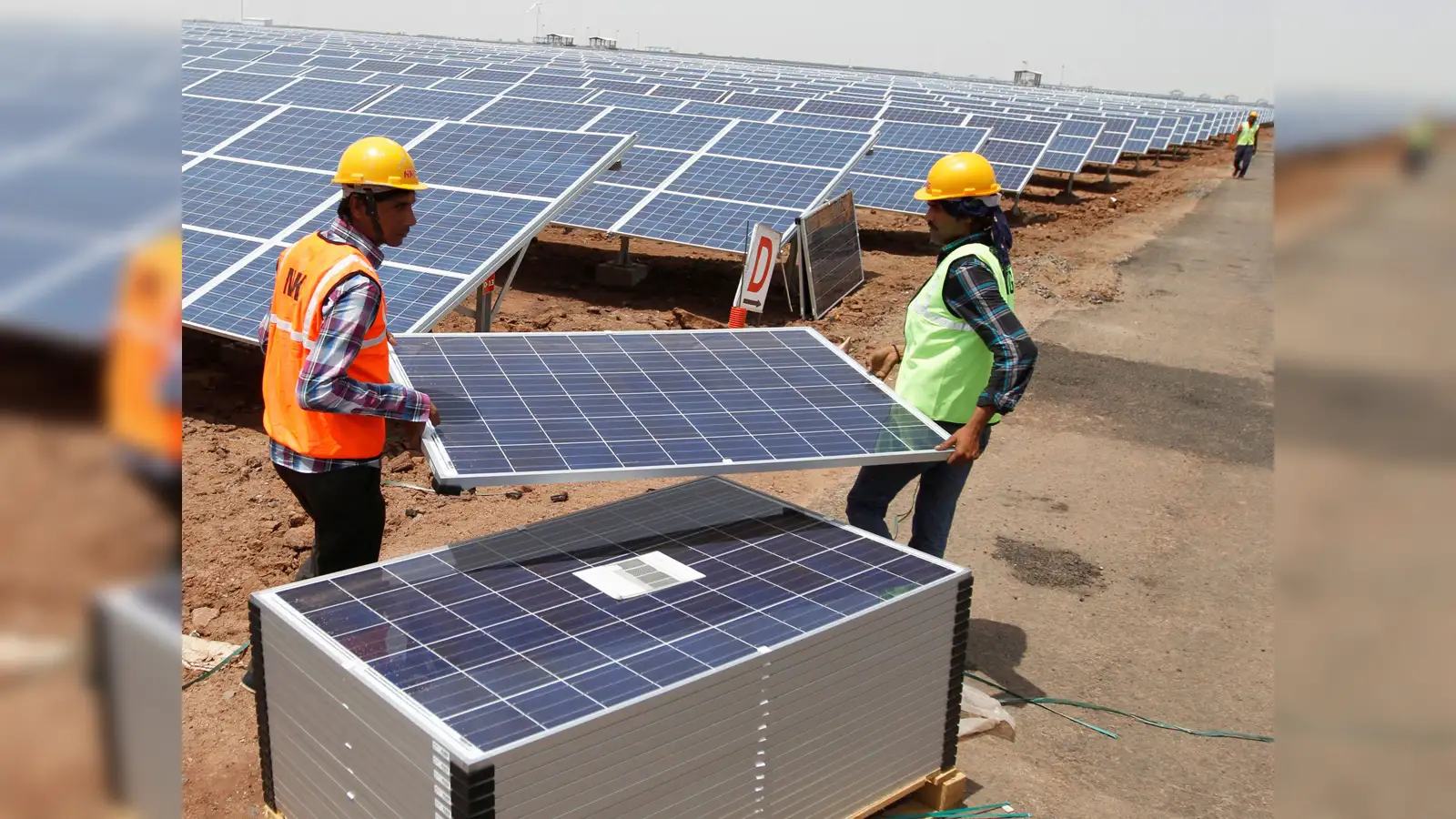

Small manufacturers and farms in Tier 2 and Tier 3 India are increasingly turning to unplugged solar pumps as electricity supply becomes more unpredictable and energy costs rise. Solar pump subsidy schemes such as the ones offered through MSEDCL give rural and semi urban units a chance to reduce dependence on grid power. This guide explains eligibility, paperwork and common pitfalls to help applicants complete the process smoothly.
Understanding the solar pump subsidy model and eligibility rules
Solar pump subsidy schemes are designed to support agriculture and small industrial users who rely heavily on consistent power. States follow different models, but the core principle remains the same. Applicants receive a subsidy that covers a large portion of the pump and installation cost. The remaining amount is paid upfront or through approved financing partners. Eligibility depends on land ownership, the type of use case and whether the applicant already receives an agricultural power connection.
Farmers with documented land ownership can apply directly. Small manufacturers can apply if their operations fall within notified zones and if they use pumps for production related processes such as irrigation of industrial plantations or water management. The scheme often prioritises applicants who face frequent outages or who have pending agricultural power connections. Before initiating the application, applicants should check whether their district falls under the active rollout phase.
Required documents and paperwork for solar pump applications
The documentation process is straightforward but applicants often lose time due to missing or outdated papers. The essential documents include Aadhaar, land ownership proof, current electricity bill, bank details and a passport size photograph. Farmers must submit land records such as 7 12 extracts or pattadar passbooks depending on the state. Small manufacturers must submit registration documents like Udyam or GST certificates to show that the pump is intended for commercial yet eligible operations.
Bank account details must match the name on the land or business ownership records. Any mismatch leads to verification delays. Applicants also need to submit a location photo of the site where the solar pump will be installed. This photo helps the implementing agency confirm space availability and sunlight conditions. Depending on the subsidy model, an undertaking or consent form may be required to allow the agency to inspect the site before and after installation.
How the application and approval workflow typically moves
Most states now use online portals to manage solar pump schemes. Applicants start by creating a profile, uploading documents and selecting the pump capacity they need. Choosing the right capacity is crucial because oversizing or undersizing can affect performance. Farmers should select capacity based on land area and water requirement. Small industries should estimate usage based on operating hours and tank sizes. The portal generates a unique reference number that allows tracking at each step.
After submission, district level offices verify the documents. If any corrections are needed, the portal usually sends an SMS or dashboard alert. Once approved, the applicant receives a demand note that shows the beneficiary contribution amount. Payment is made through digital modes to avoid errors. After payment, the agency assigns an empanelled vendor to conduct a site visit. Installation typically occurs within the notified timeline once the vendor confirms suitability. Applicants should ask for the commissioning report as proof of completion.
Common pitfalls applicants should avoid during the process
Many applications get delayed or rejected due to avoidable mistakes. The most common issue is incorrect land records. If the land is jointly owned, all co owners must sign the consent form. Another frequent issue is mismatched names between Aadhaar, bank accounts and land documents. Applicants should update these records before the application phase begins to avoid verification loops. Some applicants select pump capacities that do not match actual needs, which leads to performance complaints later.
Another pitfall is ignoring follow up notices on the portal. Many state portals give applicants a short window to correct document errors. Missing these deadlines can lead to cancellation. During installation, applicants should ensure that the vendor uses approved components because warranty disputes often arise when unofficial parts are used. Finally, applicants should avoid paying unverified intermediaries. Every payment must be made directly to the agency listed in the demand note to maintain transparency.
Why solar pumps benefit Tier 2 and Tier 3 units
Solar pumps reduce dependence on rural feeder supply which is often inconsistent. Farmers benefit through assured irrigation during peak seasons, while small manufacturers gain predictable water management for operations. The financial impact is significant because operating costs drop once the pump is commissioned. Many units also experience improved productivity because solar powered systems run without interruptions. With expanding state level rollouts, adoption is increasing across semi urban regions.
Takeaways
Eligibility depends on land ownership, commercial registration and correct documentation
Online portals streamline applications but require careful document uploads
Common pitfalls include mismatched records and incorrect pump capacity selection
Solar pumps reduce outages and operating costs for farms and small industries
FAQs
Can tenant farmers apply for the solar pump subsidy
Some states allow tenant farmers to apply if they provide authorised tenancy documents. Availability varies across regions.
How long does installation take after approval
After payment of the beneficiary amount, installation usually completes within the prescribed timeline once the vendor verifies the site.
Can manufacturers claim depreciation benefits on subsidised pumps
Yes. Eligible commercial units can claim depreciation on the portion they pay from their own funds.
Do solar pumps work during cloudy days
Solar pumps operate at reduced efficiency during cloudy conditions but continue functioning if panels receive adequate light.