
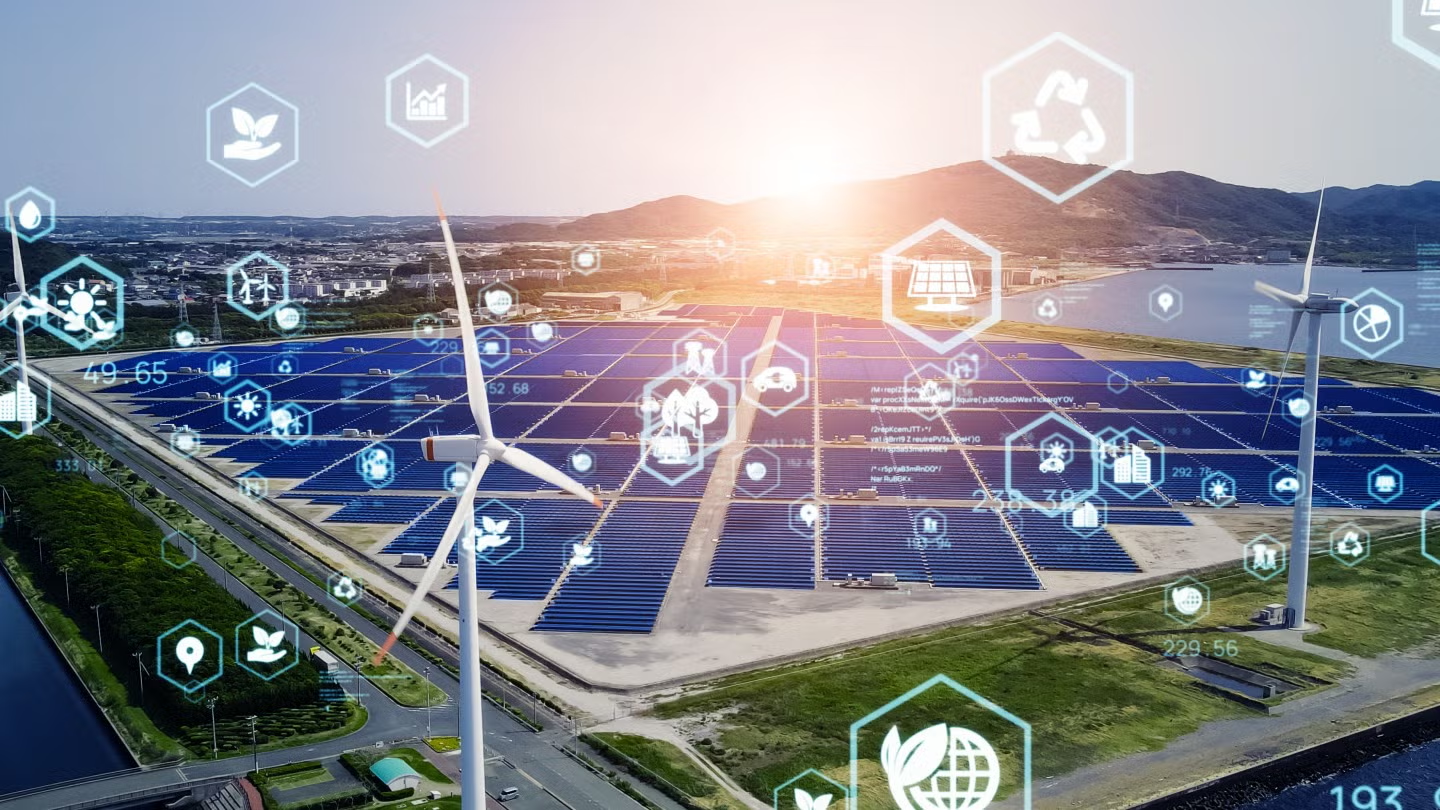

AI and ML integration into power distribution is transforming how electricity is monitored, billed and delivered to small town users, and the main keyword appears naturally here. Smart grids, automated billing and predictive systems are reshaping consumer experience, improving reliability and helping households manage energy costs more effectively.
Why AI enabled power distribution matters for smaller towns (infrastructure upgrade impact)
Many small towns have long faced irregular voltage, delayed fault repair and inconsistent meter readings. AI driven power distribution modernises ageing infrastructure by using sensors, automated meters and real time data analytics. Smart grids help utilities identify overload points, anticipate faults and balance supply based on actual demand. This reduces outages during peak hours. Machine learning models analyse historical patterns to predict seasonal consumption trends, helping utilities plan ahead. For households, these improvements mean more stable electricity quality and fewer unexpected disruptions. Better reliability also supports small businesses dependent on continuous power, such as workshops, cold storage units or medical facilities.
How smart meters improve transparency in billing for households (billing clarity benefits)
Smart meters send real time data to utilities, eliminating manual meter reading errors. Households can track consumption through mobile apps or web dashboards, allowing families to monitor daily and weekly usage. When billing is driven by accurate digital readings, disputes reduce significantly. Small town households, which often face delayed bills or estimated charges, receive more timely and transparent statements. AI powered billing systems can alert customers when consumption spikes unexpectedly, enabling early action. These alerts help identify faulty appliances or energy wastage. For prepaid users, smart meters show remaining balance and projected consumption, making budgeting easier. Transparent billing builds trust between utilities and consumers.
How AI helps reduce power theft and system losses (loss prevention advantages)
Power theft has historically burdened distribution companies, especially in semi urban and rural belts. AI models detect anomalies such as sudden drops or unexplained spikes in specific grid sections. When consumption patterns deviate from normal behaviour, utilities investigate quickly. Smart meters also make bypassing systems more difficult. By reducing theft and transmission losses, utilities improve financial health. Healthier utilities reinvest in upgrading transformers, underground cabling and maintenance. This creates a positive cycle that benefits end users. Lower system losses can eventually reflect in more stable tariffs. Small towns, which often suffer from load shedding due to theft related shortages, benefit significantly from these improvements.
How predictive maintenance reduces outages and response time (repair efficiency improvements)
Traditional power systems rely on reactive maintenance. Technicians respond after faults occur. AI shifts this model toward predictive maintenance. Sensors across transformers, feeders and cables send continuous performance data. Machine learning algorithms detect early signs of equipment stress. Utilities schedule repairs before failures escalate. This reduces prolonged outages and lowers equipment replacement costs. During storms or seasonal load changes, predictive systems identify vulnerable components and alert field teams. Small towns that face slower manual response benefit because automated monitoring speeds up the process. Consumers experience shorter disruptions, and critical services like clinics and schools maintain continuity.
How AI driven consumption insights help households save money (energy efficiency guidance)
AI analytics provide personalised insights into usage trends. Households can see which time periods involve the highest consumption. By shifting heavy appliance usage to off peak hours, families reduce bills in time of day tariff systems. Apps can suggest optimal settings for appliances based on past patterns. For example, frequent cycles in refrigerators or water pumps indicate inefficiencies that require repair. Households planning to replace old appliances can use usage data to choose energy efficient models. Consumption insights empower consumers to take proactive steps rather than reacting to inflated bills at the end of the month. Over time, these micro adjustments produce noticeable savings.
What challenges remain despite rapid AI adoption in power distribution (implementation barriers)
Smart grid deployment requires strong digital infrastructure, which varies across districts. Some small towns still face patchy internet connectivity, slowing communication between smart meters and utility servers. Power utilities need trained technical staff capable of managing AI dashboards and responding to complex alerts. Adoption also depends on consumer awareness. Many households remain unfamiliar with digital billing tools or may distrust new meters due to misinformation. Data privacy concerns must be addressed by ensuring that consumption data is encrypted and accessible only to authorised users. While AI enhances efficiency, it requires long term investment and coordinated planning across utilities, state governments and local administration.
How small town users can adapt to AI enabled electricity systems (consumer readiness guide)
Households should begin by downloading official utility apps that show consumption patterns and billing details. Families can set monthly usage goals and activate alerts that notify them when they cross certain thresholds. Consumers should also check smart meter displays periodically to understand how different appliances affect daily usage. Engaging with local utility centres to learn about new tariff structures or time of day billing helps households optimise behaviour. Parents can involve children in energy saving routines, promoting responsible consumption habits. Reporting voltage issues or anomalous readings immediately improves system accuracy and speeds up rectification. Early adoption ensures families maximise the benefits of the new system.
Takeaways
• AI powered grids improve reliability, reduce losses and increase billing transparency
• Smart meters help families track consumption and control unexpected bill spikes
• Predictive maintenance reduces outages and improves service efficiency
• Consumer awareness and digital readiness are essential for full adoption
FAQs
Do AI powered systems reduce electricity bills automatically
They provide data and alerts that help families manage usage, but savings depend on how consumers adjust consumption habits.
Are smart meters safe and accurate
Yes. They use encrypted data transmission and provide more accurate readings than manual methods.
Will outages stop completely after AI adoption
No system can eliminate outages entirely, but predictive maintenance significantly reduces their frequency and duration.
Do small town users need high internet speed for smart meters
Smart meters use low bandwidth communication. Users only need stable connectivity for app features, not high speed data.