
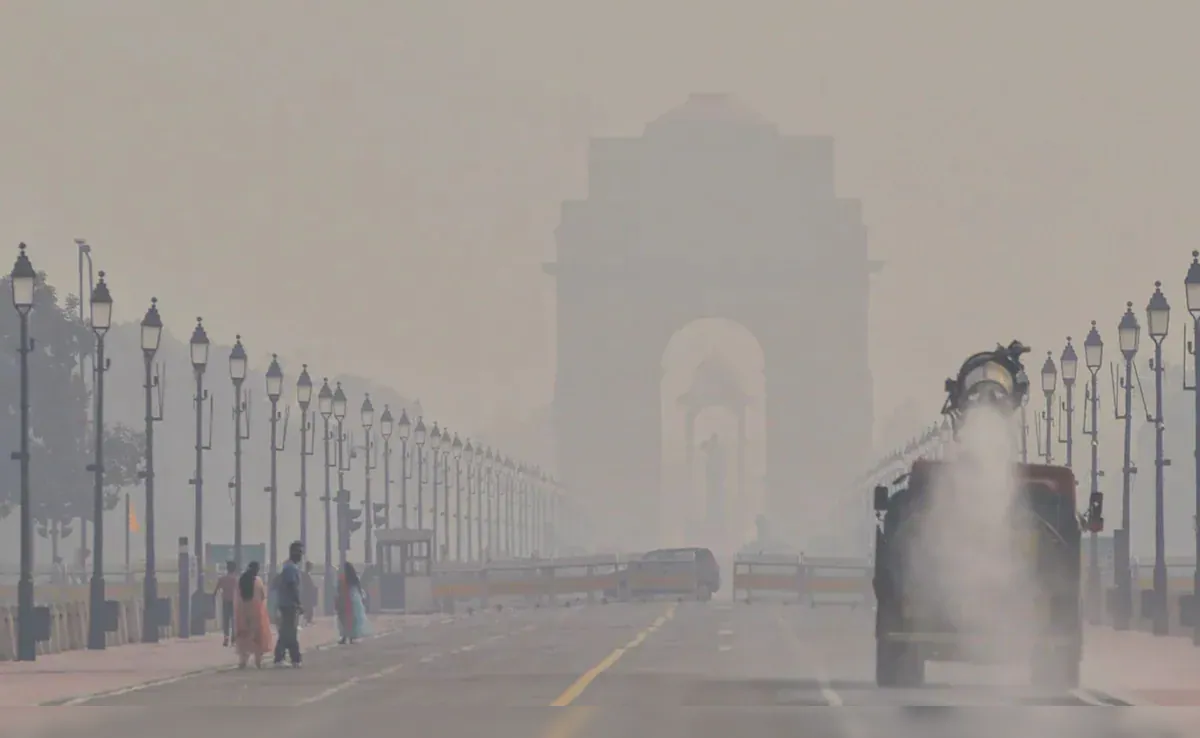

Delhi enforcing the No PUC No Fuel rule marks a major shift in how pollution control is implemented on the ground. Daily commuters and small city transporters now face immediate consequences if their vehicles lack a valid Pollution Under Control certificate, as fuel stations are instructed to deny service without compliance.
This topic is time sensitive because the rule is currently being enforced as part of ongoing air pollution control measures. The tone follows a news reporting style with practical implications.
What the No PUC No Fuel Rule Actually Means
The No PUC No Fuel rule means petrol pumps in Delhi are required to refuse fuel to vehicles that do not have a valid PUC certificate. The certificate confirms that a vehicle’s emissions are within permissible limits. Earlier, lack of a PUC attracted fines during traffic checks. Under the new enforcement, fuel denial acts as a real time compliance trigger.
This approach shifts responsibility to vehicle owners before they can even operate their vehicles. Enforcement is visible and immediate, unlike periodic roadside checks. For commuters, this means a missing or expired PUC can disrupt daily travel instantly.
Why Delhi Introduced This Rule Now
Delhi’s winter air pollution worsens every year due to a mix of vehicular emissions, weather conditions and local factors. Vehicular pollution remains one of the largest contributors. Authorities have repeatedly flagged non compliant vehicles as a persistent problem.
By linking PUC compliance directly to fuel access, enforcement agencies aim to close gaps where vehicles continued operating despite expired certificates. The timing aligns with peak pollution months when emission control measures are tightened.
This rule is designed to reduce emissions at scale rather than penalize violations after the damage is done.
Impact on Daily Office Commuters
For daily commuters using personal cars or two wheelers, the impact is immediate. A forgotten renewal or expired PUC can result in being turned away at the fuel pump during peak hours. This creates delays, missed office hours and last minute scrambles to find testing centers.
Two wheeler riders are particularly affected because PUC compliance is often overlooked for short distance travel. Many commuters also assume recent servicing equals compliance, which is incorrect.
Digital PUC certificates help reduce friction, but commuters must ensure validity dates are checked regularly.
What Small City Transporters Need to Know
Small city transporters including tempo operators, intercity taxi drivers and goods carriers face higher operational risk. These vehicles run longer hours and refuel frequently. A single fuel denial can disrupt deliveries, passenger schedules and earnings for the day.
Commercial vehicles are also more likely to fail emission tests if maintenance is inconsistent. Transporters now need to plan periodic emission checks as part of routine operations, not as a formality.
Fleet owners are beginning to schedule PUC testing alongside servicing to avoid downtime.
How Fuel Stations Are Verifying PUC Certificates
Fuel stations verify PUC compliance through physical certificates and digital records. Many pumps are equipped to check PUC validity by entering the vehicle registration number into a connected system.
If the certificate is expired or missing from the database, fuel is denied. Pump staff are instructed not to make exceptions. This removes discretion and ensures uniform enforcement.
Digital storage of PUC certificates in approved apps is widely accepted, reducing dependence on paper slips.
Penalties Beyond Fuel Denial
Fuel denial is only the first consequence. Vehicles found operating without a valid PUC may also face fines under motor vehicle rules if stopped by enforcement teams. Repeated violations can attract higher penalties.
For commercial operators, non compliance can also affect permits and insurance claims in case of incidents. The financial risk now extends beyond a single fine to broader operational exposure.
This layered enforcement increases the cost of ignoring emission norms.
Common Misconceptions Causing Non Compliance
Many vehicle owners believe new vehicles do not need a PUC indefinitely. In reality, the exemption applies only for the first year. Another misconception is that pollution checks are optional unless stopped by traffic police.
Some drivers rely on outdated certificates that are no longer valid. Others carry fake certificates issued by unauthorized operators that do not reflect in official systems.
These misconceptions are now directly impacting mobility.
How This Rule Affects NCR and Tier Two Cities
While enforcement is currently focused on Delhi, its impact extends to NCR commuters who refuel in the city. Transporters from nearby Tier Two cities entering Delhi are also affected.
This model is being closely watched and may be extended to other pollution prone cities. Tier Two cities with rising vehicle density could see similar enforcement in future seasons.
For now, Delhi acts as a testing ground for stricter emission compliance.
What Vehicle Owners Should Do Immediately
Vehicle owners should check their PUC validity today, not at the fuel station. Testing centers are widely available and the process takes only a few minutes.
Commercial operators should maintain a compliance log for all vehicles. Daily commuters should set reminders for renewal dates.
Proactive compliance is now the only way to avoid disruption.
Takeaways
Fuel will be denied without a valid PUC certificate
Daily commuters face immediate travel disruption
Small transporters risk operational downtime
Regular emission checks are now essential
FAQ
Is the No PUC No Fuel rule applicable to two wheelers
Yes, two wheelers also require a valid PUC after the initial exemption period.
Are digital PUC certificates accepted at fuel stations
Yes, digital certificates linked to vehicle registration are accepted.
Does recent vehicle servicing replace PUC testing
No, servicing does not substitute for a valid PUC certificate.
Will this rule apply outside Delhi
Currently enforcement is in Delhi, but similar measures may expand to other cities.