
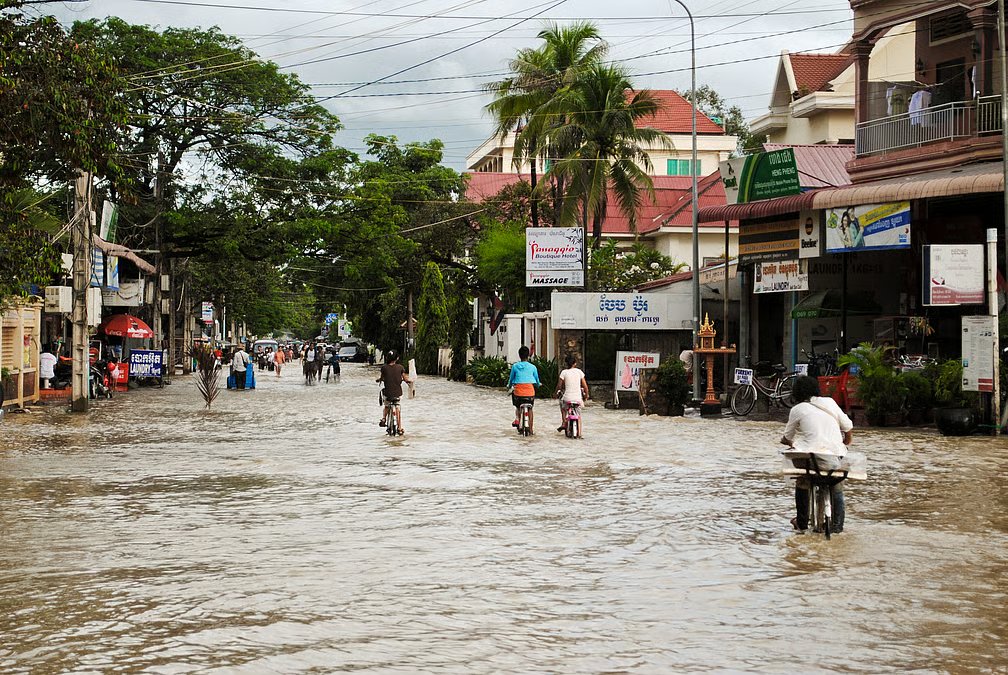

Floods are no longer limited to major metropolitan areas. As climate variability, rapid urbanization, and inadequate drainage systems affect smaller towns, flood preparedness has become essential for protecting lives, infrastructure, and local economies across India’s Tier 2 and Tier 3 cities.
Why flood preparedness matters more for small cities than ever has become an important public safety discussion in India. While metropolitan cities often receive attention during heavy rainfall, many Tier 2 and Tier 3 cities are increasingly experiencing flash floods, waterlogging, and infrastructure damage. Growing urban populations, changing rainfall patterns, and limited disaster management resources make smaller cities particularly vulnerable. Investing in preparedness before disasters occur can significantly reduce loss of life, property damage, and economic disruption.
Small Cities Face Growing Flood Risks
Flooding has become a recurring challenge in many smaller Indian cities that were originally designed for much lower populations. Over the past decade, rapid urban expansion has transformed agricultural land and open spaces into residential colonies, commercial complexes, and roads. In many places, drainage infrastructure has not expanded at the same pace.
Heavy rainfall that once drained naturally now accumulates on paved surfaces, increasing the chances of urban flooding. Encroachments on lakes, ponds, and natural water channels further reduce the land’s ability to absorb excess rainwater.
Climate experts have also observed that many regions are experiencing more intense rainfall over shorter periods. Even cities that rarely witnessed flooding in the past can now face severe waterlogging after a few hours of heavy rain.
These combined factors have made flood preparedness a necessity rather than an option.
Urban Planning and Drainage Systems Need Greater Attention
One of the primary reasons floods affect small cities is inadequate stormwater management. Many drainage systems were built decades ago and are unable to handle current rainfall volumes or expanding urban populations.
Blocked drains, illegal construction over natural waterways, and poor waste disposal often worsen the situation. Plastic waste and construction debris frequently clog drainage channels, preventing rainwater from flowing efficiently.
Urban planning authorities increasingly recognize the importance of preserving wetlands, lakes, and floodplains as natural buffers against flooding. Regular maintenance of drainage infrastructure, timely desilting, and proper waste management can substantially reduce flood risks.
Long-term city planning should also consider future climate conditions instead of relying solely on historical rainfall data.
Flood Preparedness Begins at the Community Level
Government agencies play an important role in disaster management, but community participation is equally important for improving preparedness.
Residents should stay informed about local weather forecasts, rainfall alerts, and emergency advisories issued by official authorities. Families can prepare emergency kits containing drinking water, dry food, medicines, flashlights, power banks, important documents stored in waterproof covers, and essential supplies for children and elderly family members.
Local communities can also identify safe shelters, emergency evacuation routes, and nearby healthcare facilities before the monsoon season begins.
Schools, housing societies, resident welfare associations, and local volunteers can organize awareness programs and mock evacuation exercises to improve public readiness.
Prepared communities often recover faster after natural disasters.
Technology Is Improving Early Warning Systems
Advances in weather forecasting and digital communication have strengthened flood preparedness across India.
Meteorological agencies now use satellite observations, Doppler weather radars, and numerical weather prediction models to monitor rainfall patterns more accurately. Early warning systems allow authorities to issue alerts before heavy rainfall or potential flooding occurs.
Mobile applications, SMS notifications, television broadcasts, radio announcements, and official social media channels help disseminate emergency information quickly.
However, early warnings are effective only when citizens respond promptly. Ignoring evacuation advisories or attempting to drive through flooded roads can significantly increase risks.
Public awareness remains as important as technological improvements.
Flood Preparedness Protects Local Economies
Floods affect more than homes and roads. Small businesses, schools, hospitals, transportation networks, agricultural markets, and public utilities often experience major disruptions after heavy rainfall.
Extended flooding can interrupt electricity supply, damage inventory, delay transportation, reduce business activity, and increase repair costs. Farmers living near rivers and low-lying areas may also face crop losses due to prolonged waterlogging.
Investing in resilient infrastructure, effective drainage systems, emergency response planning, and public awareness programs helps reduce long-term economic losses.
For rapidly growing Tier 2 and Tier 3 cities, preparedness is becoming an important component of sustainable urban development.
Building Resilient Cities for the Future
Flood preparedness is not limited to emergency response during the monsoon. It requires continuous planning throughout the year.
Municipal authorities, urban planners, engineers, environmental experts, and citizens must work together to improve infrastructure, protect natural drainage systems, and promote responsible urban development.
Simple actions such as keeping drains free of waste, preserving green spaces, avoiding construction on flood-prone land, and following official weather advisories can collectively reduce flood impacts.
As India’s smaller cities continue to expand, resilience against extreme weather events will become an increasingly important measure of successful urban planning.
Key Takeaways
- Smaller cities are becoming more vulnerable to flooding due to rapid urbanization and changing rainfall patterns.
- Effective drainage systems, proper urban planning, and community participation are essential for reducing flood risks.
- Early warning systems help only when citizens act promptly on official advisories.
- Flood preparedness protects lives, infrastructure, businesses, and local economies.
Frequently Asked Questions
Q1. Why are Tier 2 and Tier 3 cities experiencing more flooding today?
Rapid urban expansion, inadequate drainage infrastructure, encroachment on natural water bodies, and increasingly intense rainfall have made many smaller cities more vulnerable to flooding.
Q2. What should families include in a flood emergency kit?
A basic emergency kit should contain drinking water, non-perishable food, essential medicines, flashlights, batteries, power banks, first-aid supplies, important documents in waterproof covers, and emergency contact information.
Q3. How can citizens reduce flood risks in their neighborhoods?
Residents can avoid dumping waste into drains, participate in local awareness programs, report blocked drainage systems, and follow official weather alerts during the monsoon season.
Q4. Are floods caused only by heavy rainfall?
No. While intense rainfall is a major factor, poor drainage, unplanned urban development, encroachment on natural waterways, blocked stormwater systems, and inadequate infrastructure also contribute significantly to urban flooding.
(Internal keyword suggestions: flood preparedness India, urban flooding, flood safety tips, disaster preparedness, monsoon flooding, Tier 2 cities India, Tier 3 cities flood risk, stormwater drainage, climate resilience, flood management, emergency preparedness, urban infrastructure India)