
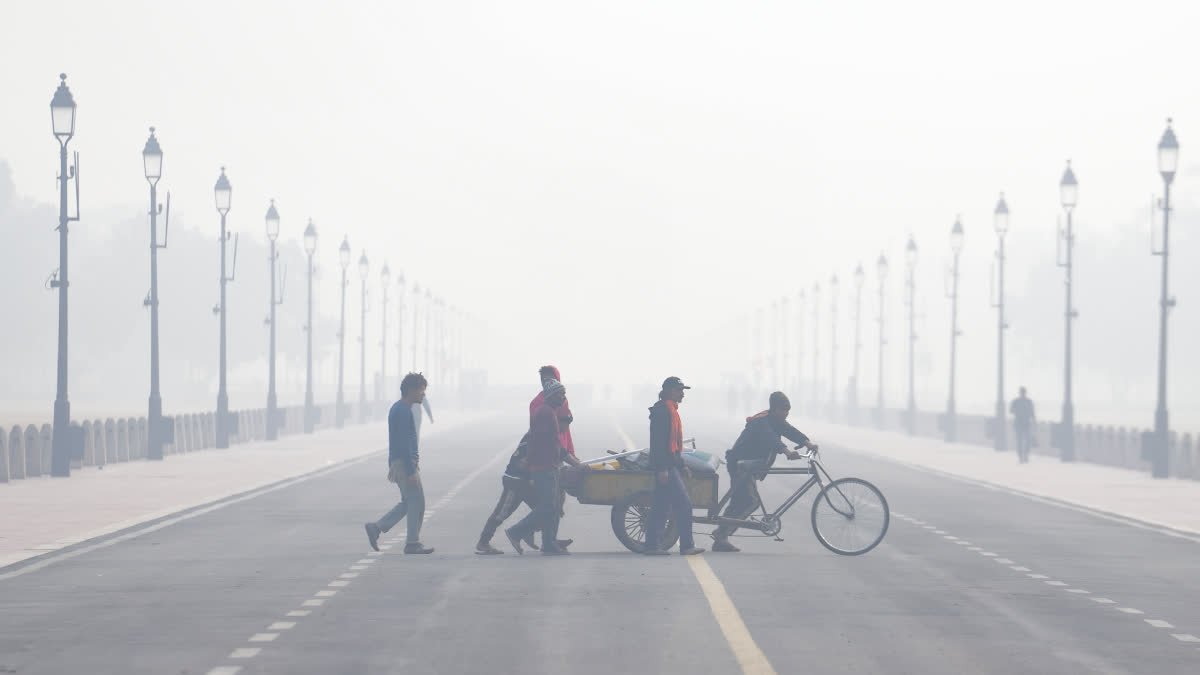

Fog and pollution crisis has intensified across small cities around Delhi NCR, exposing gaps in local preparedness and daily coping mechanisms. Towns in western Uttar Pradesh and Haryana are facing persistent low visibility, poor air quality, and rising health complaints as winter conditions worsen.
Unlike metro cities, smaller urban centres often lack real time monitoring, rapid response teams, and strong enforcement capacity. As a result, residents experience longer exposure to hazardous air and delayed administrative action. Citizen voices and official responses together paint a clearer picture of how this crisis is unfolding on the ground.
Why Small Cities Around Delhi NCR Are Hit Harder
Small cities surrounding Delhi NCR face a combination of structural and environmental disadvantages. Geographic proximity allows polluted air and fog to drift outward, but local emission sources worsen the situation.
Unregulated construction, open waste burning, diesel generators, brick kilns, and congested highways contribute heavily to local pollution. In many towns, enforcement staff strength is limited, allowing violations to continue for hours or days before action is taken.
Fog further traps pollutants close to the ground, reducing dispersion. Morning visibility often drops to dangerous levels, affecting school travel, daily wage work, and transport services.
Residents report that pollution episodes in these cities last longer than in central Delhi because clean up measures are slower and public pressure is lower.
Health and Daily Life Disruptions for Residents
The most immediate impact is on health. Clinics in smaller cities report an increase in cough, throat irritation, eye burning, and breathing difficulty during prolonged fog and pollution spells.
Children, elderly residents, and people with asthma face higher risk. Many households reduce outdoor activity, keeping children indoors for days. Morning walks, markets, and informal street businesses see reduced footfall.
Transport disruptions affect daily wage earners the most. Fog related delays limit working hours for drivers, delivery workers, and construction labourers. For households dependent on daily income, even short disruptions create financial strain.
Schools in some districts adjust timings or issue advisories, but implementation varies widely.
Citizen Voices Highlight Ground Reality
Residents in towns around Delhi NCR increasingly share their experiences through local groups and community forums. Many express frustration over unchecked garbage burning and construction dust near residential areas.
Parents raise concerns about children travelling in near zero visibility. Shopkeepers complain about reduced sales during prolonged pollution days. Commuters highlight poor road visibility and lack of traffic management during foggy mornings.
Citizen complaints often point to a lack of timely response rather than absence of rules. People acknowledge regulations exist but question enforcement consistency at the local level.
Community awareness has grown, but residents feel their complaints are treated as low priority compared to metro areas.
Official Actions and Administrative Responses
Local administrations respond through advisories, enforcement drives, and coordination with pollution control departments. In severe conditions, authorities order temporary bans on waste burning and restrict construction activity.
Traffic police deploy additional staff at fog prone junctions and issue safety advisories for drivers. Health departments circulate guidelines for cold and pollution related illness prevention.
However, officials also face constraints. Limited manpower, overlapping jurisdictions, and delayed data reduce response speed. Monitoring stations are fewer, making localized assessment difficult.
Some districts rely on manual inspections and citizen complaints to identify violations, which slows enforcement.
Role of District Authorities and Local Governance
District magistrates play a central role in coordinating pollution response. Orders under environmental and public safety laws allow swift action, but effectiveness depends on execution at ward and block levels.
Municipal bodies handle waste burning and construction compliance, while transport departments address vehicular emissions. Coordination gaps sometimes lead to delayed penalties or repeated violations.
Officials acknowledge the need for stronger inter department coordination, especially during peak winter months when fog and pollution overlap.
Local governance quality directly influences how quickly conditions improve.
Long Term Challenges and the Way Forward
The fog and pollution crisis highlights structural challenges in smaller cities. Rapid urbanisation without infrastructure upgrades increases emissions. Public transport remains limited, encouraging private vehicle use.
Long term solutions require better monitoring, public awareness, cleaner fuel adoption, and stricter construction norms. Community participation can support enforcement by reporting violations early and consistently.
Without sustained focus, small cities risk becoming chronic pollution hotspots during every winter season.
What Residents Can Realistically Expect
Short term relief depends on weather changes and temporary enforcement. Residents should expect fluctuating conditions rather than quick resolution.
Official actions may reduce peak violations, but systemic improvement takes time. Continued citizen reporting, local media attention, and administrative accountability remain key drivers of change.
Takeaways
- Small cities around Delhi NCR face prolonged fog and pollution exposure
- Health, mobility, and daily income are most affected
- Citizen complaints highlight enforcement delays more than policy gaps
- Stronger local coordination is essential for long term improvement
FAQs
Why is pollution worse in smaller cities than in Delhi at times?
Limited enforcement capacity and local emission sources allow pollution to persist longer.
Are local authorities taking action against pollution sources?
Yes, but response speed varies due to manpower and monitoring limitations.
How does fog worsen pollution impact?
Fog traps pollutants near the ground, increasing exposure and reducing visibility.
What can residents do during severe pollution days?
Limit outdoor activity, follow health advisories, and report visible violations promptly.