
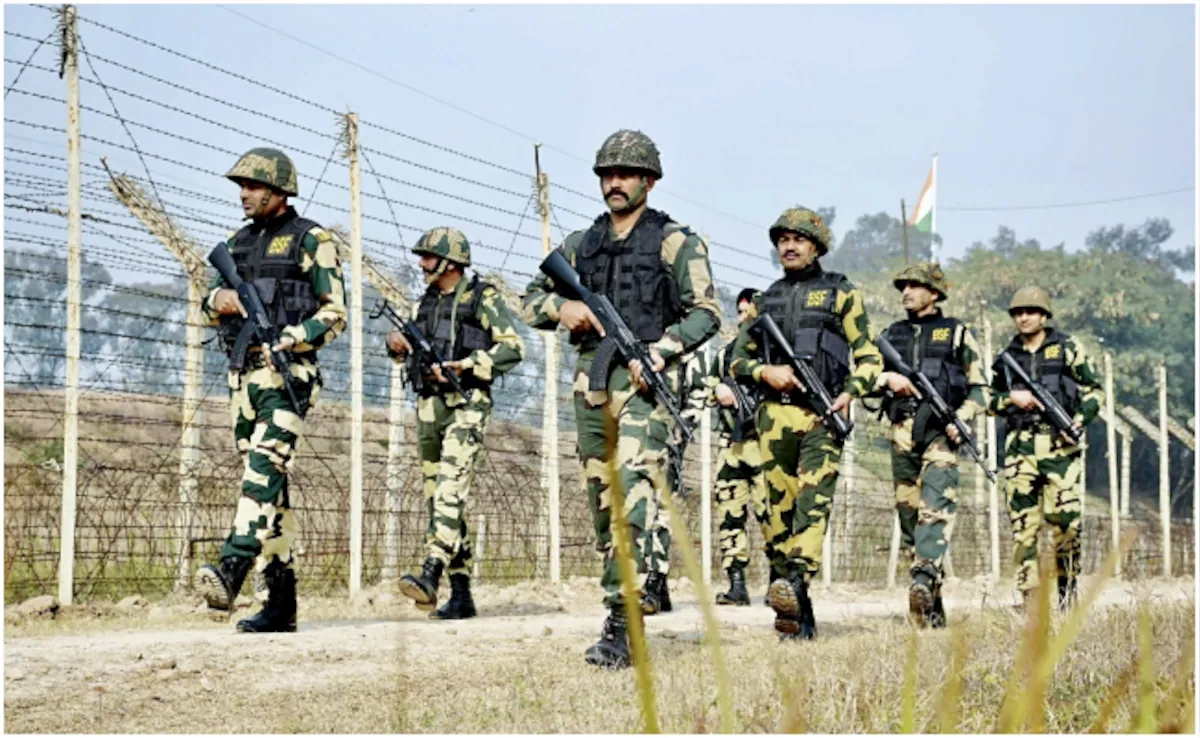

BSF denies Bangladesh media claims about murder suspects crossing the border, calling the reports inaccurate and misleading amid heightened attention on cross border security. The clarification comes as authorities seek to prevent misinformation from escalating diplomatic and public concerns.
This topic is time sensitive news reporting. The coverage below focuses on official response, border security protocols, and the broader implications of such claims.
What the Bangladesh Media Claims Suggested
Reports circulating in sections of Bangladesh media alleged that individuals suspected in a murder case had crossed into India through the international border. The reports implied gaps in border vigilance and suggested that suspects evaded security checks to escape law enforcement.
Such claims quickly gained traction due to ongoing regional sensitivities around border management, illegal crossings, and transnational crime. In border districts, even unverified reports can fuel speculation and public anxiety.
The claims did not provide verifiable operational details such as location, timing, or method of crossing, raising immediate questions among Indian authorities about their credibility.
BSF’s Official Response and Clarification
The Border Security Force issued a clear denial, stating that no such cross border movement of murder suspects had been detected or facilitated through the India Bangladesh border. According to the force, surveillance systems and ground patrols showed no breach linked to the alleged incident.
BSF officials emphasized that the border is under continuous monitoring using physical patrols, electronic surveillance, and intelligence coordination. Any confirmed illegal crossing is recorded, investigated, and shared with relevant agencies.
The force also reiterated that spreading unverified claims undermines coordinated border management efforts and can distort public understanding of security realities.
How Border Surveillance and Monitoring Works
India’s border with Bangladesh is one of the most closely monitored international boundaries in the region. Surveillance includes fencing in vulnerable stretches, night vision equipment, sensors, and coordinated patrol schedules.
Checkpoints and border outposts maintain logs of suspicious movement. In sensitive areas, joint mechanisms allow for information sharing between local security agencies and border forces.
Crossings linked to criminal activity are not limited to physical breaches. Authorities also track human networks, logistical routes, and digital footprints to prevent escape attempts.
Given these layers, officials argue that claims of unnoticed crossings by high profile suspects require strong evidence to be credible.
Why Unverified Reports Create Security Concerns
Unverified cross border crime reports can create unnecessary panic among border residents and strain bilateral communication. They may also encourage copycat narratives that misrepresent ground realities.
In border regions, rumors often spread faster than official clarification. This can lead to mistrust of security agencies and increased pressure on local administrations.
From a diplomatic perspective, such reports risk complicating coordination between neighboring countries on crime control and border management.
Security agencies stress the importance of relying on official channels for confirmation before drawing conclusions.
Impact on Local Communities Along the Border
Residents of border districts are directly affected by reports of cross border crime. Fear of increased scrutiny, movement restrictions, or heightened security checks can disrupt daily life.
Fishermen, farmers, and traders who depend on regulated border movement often face additional questioning when security alerts rise.
False alarms also divert security resources away from genuine threats, impacting overall efficiency.
Local leaders have urged responsible reporting to prevent unnecessary disruption in already sensitive areas.
Legal and Procedural Reality of Cross Border Crime
In genuine cases of cross border crime or suspect movement, established protocols exist. These include alerts to immigration authorities, coordination with foreign counterparts, and formal investigation mechanisms.
Any confirmed movement of suspects across borders typically involves intelligence sharing and diplomatic communication. Denial of such events indicates that these processes were not triggered.
Authorities caution that conflating isolated criminal cases with cross border security narratives without evidence can mislead the public.
Broader Context of India Bangladesh Border Relations
India and Bangladesh share a long history of cooperation on border management, including joint patrols and coordinated responses to crime.
Both sides have mechanisms to address illegal crossings, trafficking, and criminal movement. While challenges remain, coordination has improved over the years.
Isolated media claims do not reflect the broader operational reality of structured border governance.
Officials continue to emphasize dialogue and verified information as the basis for addressing concerns.
What Happens Next After the Denial
Following the denial, security agencies will continue routine monitoring without escalation unless new verified information emerges.
Authorities may also engage informally with counterparts to clarify misinformation and prevent repetition.
For the public, the focus remains on verified updates rather than speculative reports.
Takeaways
BSF denied claims of murder suspects crossing the India Bangladesh border
No surveillance or patrol breach linked to the alleged incident was found
Unverified reports can create public panic and strain coordination
Border security relies on layered monitoring and official communication
FAQs
Did any suspects cross the border according to Indian authorities
No, BSF stated that no such crossing was detected or recorded.
Why do such reports spread quickly
Border related issues attract attention and speculation, especially without verified details.
How does BSF track illegal crossings
Through patrols, surveillance systems, intelligence inputs, and coordination with agencies.
Will this affect border movement or security levels
Routine security continues unless verified threats require changes.