
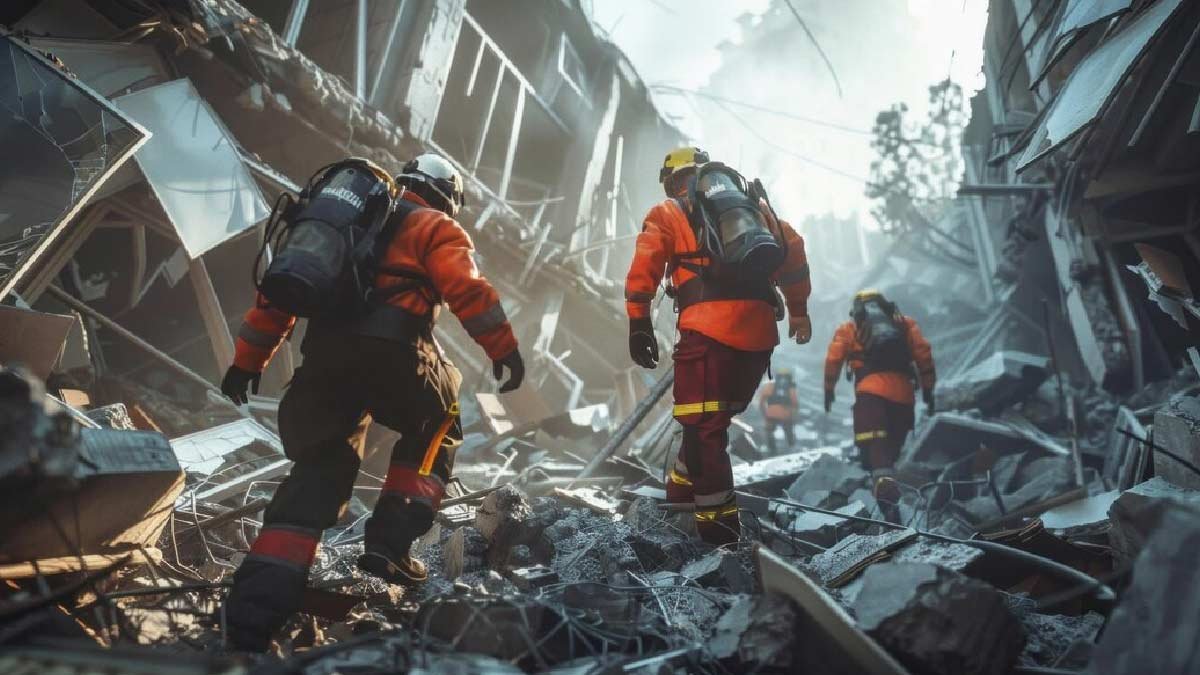

An earthquake in Baramulla has raised concerns about safety, aftershocks, and preparedness among residents. This article explains what earthquakes in the region mean, what to expect after the tremor, and the immediate and short term safety steps people should follow to reduce risk and panic.
The earthquake in Baramulla is a time sensitive event with public safety implications. The intent of this topic is news based and informational. The tone below focuses on factual clarity, regional context, and practical guidance for residents rather than speculation or alarm.
Why Earthquakes Occur Frequently in Baramulla Region
Baramulla lies in a seismically active zone due to its location near major tectonic fault lines in the Himalayan region. The Indian plate continues to push against the Eurasian plate, creating stress that is released through earthquakes.
This region has experienced frequent low to moderate intensity earthquakes over the years. Most tremors are shallow and felt strongly, even if they do not cause structural damage. Residents often feel shaking, hear rumbling sounds, or notice swaying objects.
Understanding this geological context is important. Earthquakes here are not unusual, but preparedness determines how safely communities respond. Panic and misinformation often cause more harm than the tremor itself.
What Residents Should Know About Aftershocks
Aftershocks are smaller earthquakes that follow the main tremor. In Baramulla and surrounding areas, aftershocks can occur minutes, hours, or even days later. They happen as the earth readjusts after the initial release of energy.
Aftershocks are usually weaker but can still be dangerous, especially for buildings that have already developed cracks. Residents should not assume the danger has passed once the shaking stops.
People should remain cautious indoors and outdoors. Damaged structures, loose plaster, weakened walls, and unstable slopes pose risks during aftershocks. Staying alert during the next 24 to 72 hours is especially important.
Immediate Safety Steps During and After the Earthquake
During shaking, residents should drop to the ground, take cover under sturdy furniture if possible, and hold on until the shaking stops. Standing near windows, shelves, or heavy objects increases injury risk.
After the shaking ends, people should move carefully. Shoes should be worn to avoid injuries from broken glass or debris. Gas leaks, damaged electrical wiring, and water pipe leaks should be checked before using utilities.
If evacuation is required, residents should move to open areas away from buildings, electric poles, and trees. Using mobile phones only for essential communication helps keep networks clear for emergency services.
Building Safety and Structural Awareness
Many homes in Baramulla are a mix of older masonry structures and newer constructions. After an earthquake, even minor cracks should be taken seriously. Structural damage is not always visible immediately.
Residents should look for cracks in walls, ceilings, staircases, and foundations. Doors or windows that suddenly jam can indicate frame distortion. If there is doubt about structural safety, staying outside until an inspection is done is the safer option.
Multi storey buildings and poorly reinforced houses are more vulnerable during aftershocks. Local authorities usually issue advisories regarding building safety inspections, which residents should follow strictly.
Landslide and Weather Related Risks After Earthquakes
In hilly regions like Baramulla, earthquakes can increase the risk of landslides, especially if the ground has loosened. Slopes near roads, rivers, and construction zones require extra caution.
Residents traveling after the earthquake should be alert to falling rocks or blocked roads. Night travel in vulnerable areas should be avoided unless necessary. Riverbanks and steep slopes should not be approached during this period.
If rainfall or snow is forecast after the earthquake, the risk of slope failure increases. Combining weather awareness with earthquake safety is essential in this region.
Role of Local Administration and Emergency Response
District authorities typically assess damage, monitor aftershocks, and coordinate emergency response. Relief teams may inspect buildings, clear roads, and set up help desks if required.
Residents should rely on official advisories for accurate information. Rumors and unverified messages often spread quickly after earthquakes and can cause unnecessary panic.
Community cooperation plays a key role. Helping elderly neighbors, checking on children, and sharing verified updates can reduce fear and confusion.
Psychological Impact and Staying Calm
Earthquakes can cause anxiety, especially for children and elderly residents. Aftershocks can trigger fear even when they are mild. Acknowledging this stress is important.
Maintaining calm routines, talking openly about safety steps, and avoiding constant exposure to alarming news helps manage anxiety. Preparedness reduces fear more effectively than speculation.
Communities that understand earthquake risks and response measures recover faster and experience fewer injuries.
Preparing for Future Earthquakes in Baramulla
Long term preparedness matters in seismic zones. Securing heavy furniture, fixing shelves, and identifying safe spots in homes are simple steps that reduce injury risk.
Families should discuss emergency plans, including exit routes and meeting points. Keeping a basic emergency kit with water, torch, first aid supplies, and essential documents is advisable.
Preparedness is not about fear. It is about readiness in a region where earthquakes are part of the natural landscape.
Takeaways
- Baramulla lies in a seismically active zone where earthquakes are common
- Aftershocks can occur for days and require continued caution
- Structural safety checks are crucial after any tremor
- Calm response and verified information reduce risk and panic
FAQs
Are aftershocks always dangerous?
Aftershocks are usually weaker but can cause damage to already weakened structures, so caution is necessary.
Should residents evacuate their homes after an earthquake?
Evacuation depends on visible damage and official advisories. If structural safety is uncertain, staying outside is safer.
How long should people stay alert after the earthquake?
Extra caution is recommended for at least 24 to 72 hours, as aftershocks are most common during this period.
Is Baramulla prone to future earthquakes?
Yes. Due to its location in a seismic zone, earthquakes are expected periodically, making preparedness important.