
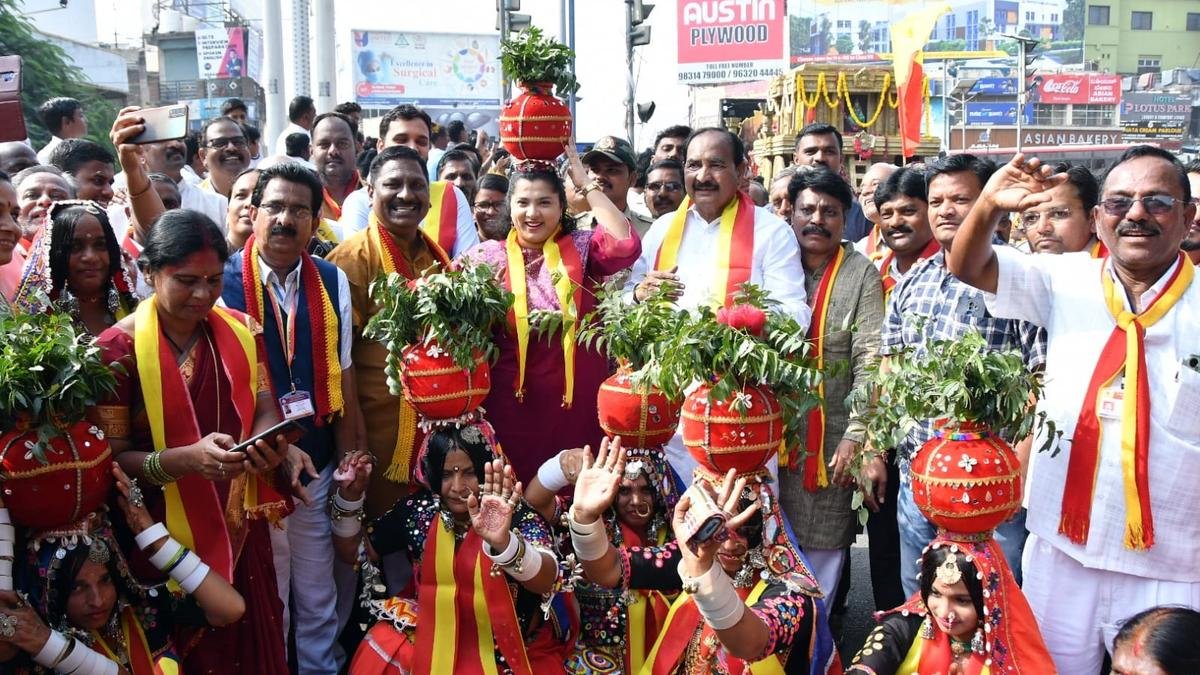

Raichur’s Jyoti Rath Yatra has kicked off with strong community participation, drawing residents, devotees, and local groups together. This article explains the origins of the festival, how it is organised, and the social, cultural, and economic impact it creates across Raichur and nearby areas.
Raichur’s Jyoti Rath Yatra kicking off is a time sensitive local news event with cultural significance. The intent of this topic is news based and informational. The tone below focuses on factual reporting, community relevance, and ground level impact.
What the Jyoti Rath Yatra Represents in Raichur
The Jyoti Rath Yatra is a religious and cultural procession centred around the symbolic lighting of a sacred flame. The yatra reflects devotion, unity, and continuity of tradition that has been followed in Raichur for years.
The procession usually moves through key streets and neighbourhoods, allowing residents from different communities to participate. The rath carrying the jyoti becomes the focal point, with people offering prayers, lighting lamps, and joining the march.
Beyond its religious aspect, the yatra acts as a social gathering that brings together families, youth groups, temple committees, and volunteers. Its public nature makes it one of the most visible festivals in the district calendar.
How the Festival Is Organised Each Year
The organisation of the Jyoti Rath Yatra involves coordination between temple authorities, local administration, and community volunteers. Preparations typically begin weeks in advance with route planning, decoration work, and safety arrangements.
Local youth groups often take responsibility for crowd management and procession discipline. Volunteers manage water distribution, footwear arrangements near prayer points, and guidance for elderly participants.
Authorities usually coordinate traffic diversions to ensure smooth movement of the rath and safety of residents. Cleanliness drives before and after the procession help maintain public spaces, reflecting increasing civic awareness around festivals.
Community Participation and Local Involvement
One of the defining features of Raichur’s Jyoti Rath Yatra is its broad participation. Residents from different localities actively decorate streets, light lamps outside homes, and welcome the procession.
Schools, self help groups, and local cultural organisations often participate by performing devotional songs or assisting with logistics. Women’s groups play a key role in preparing offerings and managing community kitchens during the event.
This shared involvement strengthens neighbourhood bonds. People who may not interact daily come together with a common purpose, reinforcing a sense of belonging and collective responsibility.
Cultural and Social Significance of the Yatra
The Jyoti Rath Yatra holds cultural importance beyond its religious symbolism. It serves as a platform for passing traditions to younger generations who witness rituals, music, and community discipline firsthand.
For many families, participation in the yatra is a yearly ritual that connects them to local identity. Children observing the event learn about cooperation, respect for public spaces, and cultural continuity.
In towns like Raichur, where rapid social change is visible, such festivals act as anchors that preserve local customs while adapting to modern organisational standards.
Economic Impact on Local Businesses
Festivals like the Jyoti Rath Yatra also create short term economic activity. Small vendors selling flowers, lamps, snacks, and decorative items see increased demand during the event.
Local artisans and craftsmen involved in rath decoration and lighting arrangements benefit from seasonal work. Transport services, temporary stalls, and local shops experience higher footfall.
While the economic boost may be modest, it provides timely income for small traders and daily wage workers, especially in Tier 2 towns where festival seasons play a role in sustaining local commerce.
Safety, Order, and Administrative Preparedness
Crowd safety is a key concern during large processions. Authorities usually deploy personnel along the route to manage movement and prevent overcrowding at narrow points.
Emergency services remain on alert, and temporary medical support may be arranged near major congregation points. Clear communication between organisers and officials helps reduce risks.
The smooth conduct of the yatra reflects growing experience in managing public events. It also shows how coordination between citizens and administration can maintain both tradition and safety.
Impact on Local Identity and Civic Pride
Events like the Jyoti Rath Yatra contribute to civic pride in Raichur. Residents often view the festival as a representation of the town’s cultural richness and organisational capability.
When conducted peacefully and inclusively, such festivals strengthen trust within the community. They also enhance the town’s image for visitors from nearby areas.
Local leadership and community elders often use the occasion to promote messages of harmony, cleanliness, and mutual respect, giving the event a broader social purpose.
Challenges and Areas for Improvement
Despite its positive impact, the yatra also presents challenges. Managing waste, controlling noise levels, and ensuring accessibility for all residents require continuous attention.
Traffic disruptions can inconvenience daily commuters if communication is insufficient. Clear advance announcements and signage help reduce frustration.
Balancing religious expression with public order remains important. Ongoing dialogue between organisers and authorities helps address these issues year after year.
Why the Jyoti Rath Yatra Matters Beyond the Festival Day
The importance of the Jyoti Rath Yatra extends beyond the day of the procession. It reinforces shared values, encourages volunteerism, and builds experience in collective action.
For Raichur, such events highlight the role of community driven initiatives in shaping social life. They remind residents that cultural traditions can coexist with modern civic responsibility.
The long term impact lies in strengthened community ties and a sense of continuity that supports social stability.
Takeaways
- Raichur’s Jyoti Rath Yatra brings together religion, culture, and community
- Local participation plays a central role in the festival’s success
- The event supports small businesses and local livelihoods
- Coordination and safety measures are key to smooth execution
FAQs
What is the Jyoti Rath Yatra?
It is a religious procession centred on a sacred flame, symbolising devotion and unity.
Who participates in the yatra?
Residents, temple groups, volunteers, and local organisations from across Raichur take part.
Does the festival affect daily life in the town?
There may be temporary traffic changes and crowd movement, but planning helps minimise disruption.
Why is the yatra important for Raichur?
It strengthens community bonds, preserves tradition, and promotes civic participation.