
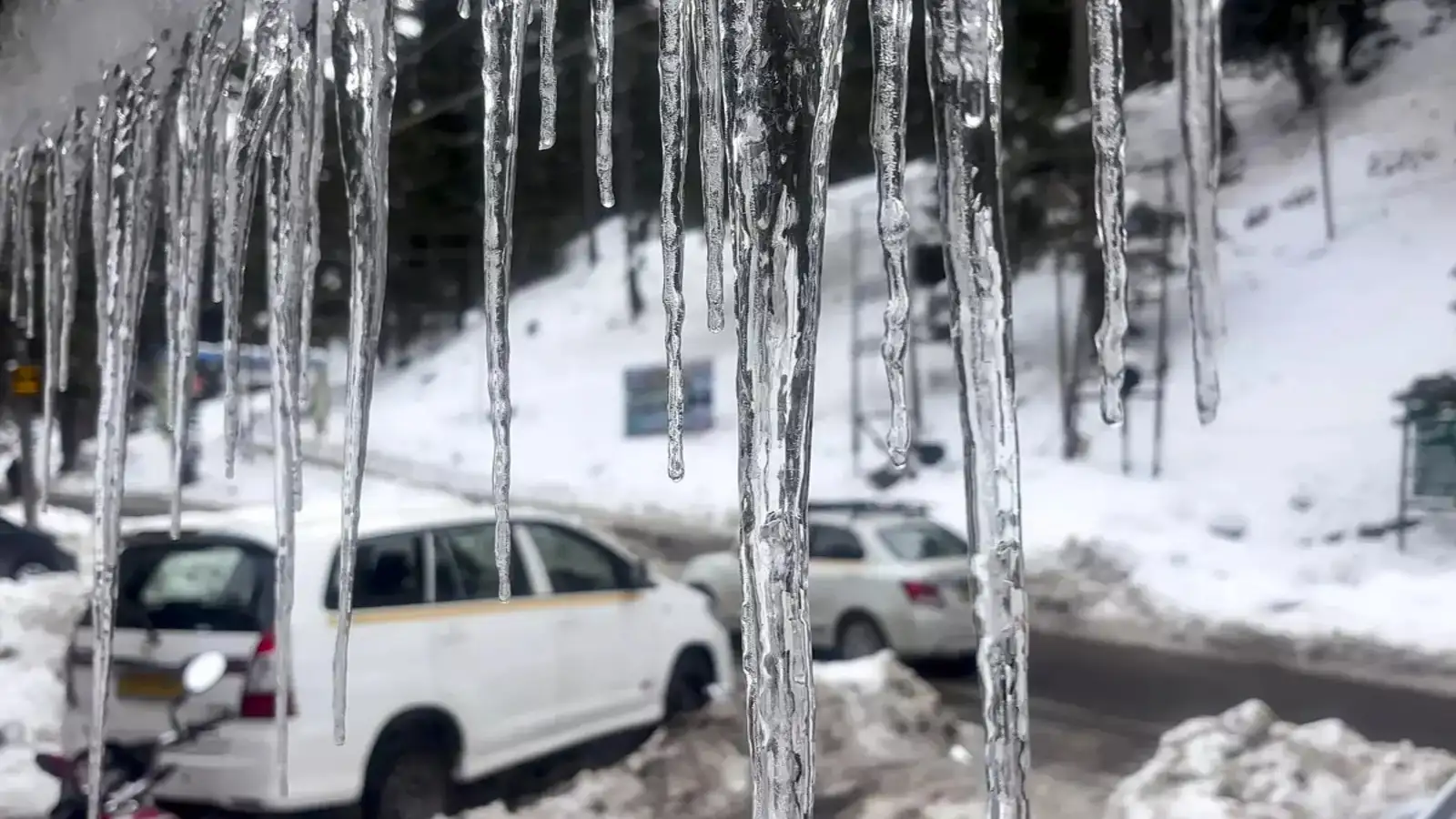

The Jammu weather alert issued due to an approaching western disturbance has brought rain, temperature drops, and wind activity across the region. This article explains what the system means for farmers, daily commuters, and local planning, with a clear focus on short term impact and preparedness.
The intent of this topic is time sensitive news based information. The weather system is active and evolving, so the tone remains factual, explanatory, and focused on immediate effects rather than long term climate trends.
What the Jammu weather alert signals right now
The Jammu weather alert indicates the influence of a western disturbance affecting weather conditions over the region. Such systems typically bring cloud cover, rainfall, and a noticeable fall in day and night temperatures. In Jammu, this often translates into intermittent rain spells, gusty winds, and colder mornings. The alert is meant to help residents, farmers, and authorities prepare for short term disruption rather than panic. Understanding the nature of the system helps people respond calmly and practically.
Understanding western disturbance and its seasonal role
A western disturbance is a weather system that originates over the Mediterranean region and travels eastward, impacting northern India. During winter and early spring, these systems are a primary source of rain in Jammu and surrounding areas. They play a crucial role in replenishing soil moisture and supporting rabi crops. However, when intense, they can also cause sudden weather changes that affect transport, agriculture operations, and daily routines.
Impact on farmers and agricultural activity
For farmers, the western disturbance brings both opportunity and risk. Light to moderate rainfall benefits wheat, mustard, and other rabi crops by improving soil moisture levels. However, excessive rain or hail can damage standing crops, especially during flowering stages. Farmers may need to delay irrigation, adjust fertilizer application, or protect harvested produce from moisture. Livestock care also becomes important, as colder and wetter conditions increase the risk of illness.
Soil moisture, crop health, and decision making
The timing of rainfall matters as much as its intensity. Adequate moisture supports crop growth and reduces dependence on irrigation. At the same time, prolonged wet conditions can encourage fungal diseases. Farmers are advised to monitor fields closely, ensure proper drainage, and avoid unnecessary field movement during wet spells. This balanced approach allows them to gain the benefits of the western disturbance while minimizing losses.
Effects on daily commuters and road conditions
For commuters in Jammu, the weather alert signals possible disruptions. Rain reduces visibility, increases braking distance, and can cause waterlogging in low lying areas. Early morning commuters may face foggy conditions combined with wet roads. Public transport schedules can be affected, and travel times may increase. Two wheeler riders are particularly vulnerable during such weather and should plan routes and timing carefully.
Urban challenges during active weather systems
Urban areas face their own set of issues during western disturbance activity. Temporary water accumulation, power fluctuations, and slower traffic flow are common. Construction activity often pauses, affecting local labor schedules. Schools and offices may issue advisories depending on intensity. While these disruptions are usually short lived, advance awareness helps reduce inconvenience and safety risks.
Temperature drop and health considerations
One noticeable effect of a western disturbance is a sharp dip in temperature. Cold winds and damp conditions can lead to increased cases of seasonal illnesses, especially among children and elderly residents. Proper clothing, warm food, and avoiding prolonged exposure to cold rain are simple but effective precautions. Farmers and outdoor workers should plan shorter shifts and take breaks to avoid cold stress.
Administrative preparedness and local response
Weather alerts also trigger preparedness measures at the administrative level. Local authorities monitor road conditions, drainage systems, and emergency response readiness. Farmers often receive advisories through local channels on crop management during rain. Effective coordination between weather updates and ground level response reduces the overall impact of such systems on livelihoods and mobility.
What to expect after the disturbance passes
Once the western disturbance moves away, weather conditions usually stabilize quickly. Skies clear, temperatures may remain low for a short period, and normal activities resume. For agriculture, the post rain phase is important for assessing crop health and planning next steps. For commuters, traffic and transport systems gradually return to normal as roads dry and visibility improves.
Why such alerts matter for Jammu
Jammu’s geographical location makes it sensitive to these systems. Weather alerts act as early warning tools that allow residents to adjust schedules, protect assets, and reduce risk. Ignoring alerts often leads to avoidable losses, while informed responses help communities stay resilient during brief but impactful weather events.
Takeaways
- Western disturbances bring both rainfall benefits and short term disruption
- Farmers should balance crop advantage with disease and damage risk
- Commuters need to plan for reduced visibility and slower travel
- Weather alerts help minimize safety and livelihood impacts
FAQs
What is a western disturbance and why does it affect Jammu?
It is a weather system that brings rain and cold air to northern India during winter and early spring.
Is this rainfall good for crops?
Light to moderate rain is beneficial, but excessive rainfall or hail can harm crops.
How long do such weather conditions usually last?
Most western disturbances affect the region for one to three days.
Should daily travel plans be changed during a weather alert?
Yes, allowing extra time and avoiding unnecessary travel during peak rainfall improves safety.