
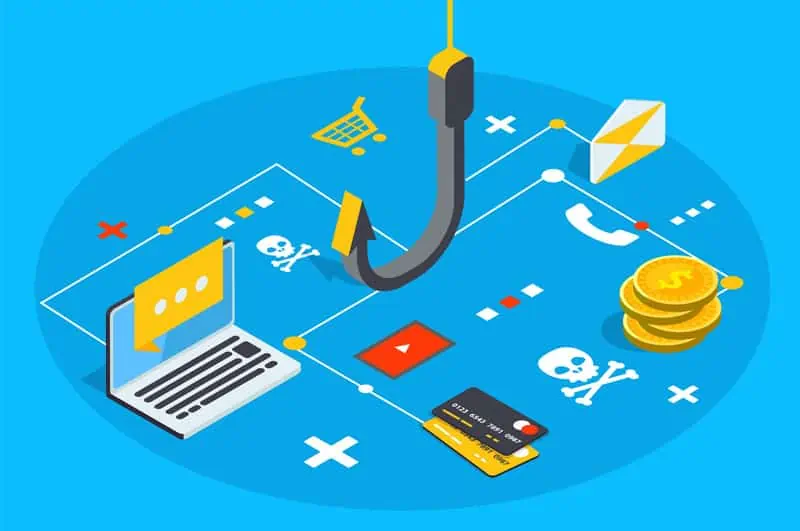

Phishing scams around major tech events are rising, especially after recent India AI Summit scam warnings triggered nationwide alerts. Fraudsters exploit event hype, fake registrations, and AI themed offers to target professionals, startups, and students. Here is how to identify and avoid phishing scams effectively.
Phishing scams around tech conferences and AI summits are not random. They are coordinated campaigns that take advantage of heightened online activity. Whenever a large scale event such as an AI summit, startup expo, or developer conference trends nationally, cybercriminals mirror official branding, create lookalike domains, and send urgent emails or messages. Understanding how these scams work is the first layer of protection.
What Makes Tech Events Prime Targets for Phishing
Major technology events generate heavy digital traffic. Attendees register online, download brochures, book tickets, join WhatsApp groups, and interact with sponsors. This creates multiple attack surfaces.
Fraudsters often send emails claiming seat confirmations, speaker access passes, or early bird upgrades. Some messages promise exclusive AI toolkits or networking access in exchange for a small payment. Because recipients expect communication from organizers, they are more likely to click without verifying.
Another common tactic involves fake investment invites linked to artificial intelligence startups. Attackers use buzzwords such as generative AI, quantum computing, and automation to appear credible. In many cases, logos and branding are copied precisely from official event websites.
Red Flags to Identify Phishing Emails and Messages
Identifying phishing attempts requires attention to small details. Most scams share common signals.
First, check the sender address carefully. Official event emails usually come from a verified domain. Fraud emails often use slight spelling variations or free email providers.
Second, look at the language. Urgent tones such as limited seats left or final chance to confirm access are designed to create panic. Legitimate organizers rarely threaten cancellation within minutes.
Third, inspect links before clicking. Hover over the link to see the actual URL. If the web address does not match the official event website exactly, do not proceed.
Fourth, be cautious about attachments. Files labeled as speaker list, sponsorship deck, or AI toolkit can contain malware.
How India AI Summit Scam Warnings Changed the Landscape
Recent scam warnings around major AI gatherings in India highlighted how quickly phishing operations scale. Fraud networks targeted startups, MSMEs, and students across metro and Tier 2 cities. Many victims reported receiving fake invoices for event passes or bogus sponsorship confirmations.
The pattern was clear. Attackers leveraged the excitement around artificial intelligence and digital transformation. They impersonated organizing committees and even created cloned websites with minor domain changes.
This wave of phishing attacks has increased awareness, but it also shows that high profile tech events will remain attractive targets. As more Indian cities host innovation summits, vigilance becomes critical.
Practical Steps to Avoid Phishing Scams
Start with direct verification. Always register for tech events through the official website found via a trusted search engine or known organizer channel. Avoid clicking on registration links received through unsolicited emails or social media messages.
Enable two factor authentication on your email and financial accounts. Even if credentials are compromised, the second authentication layer reduces damage.
Use secure payment methods. Avoid direct bank transfers to unknown accounts for event registrations. Reputable events provide recognized payment gateways.
Keep devices updated. Software updates often patch vulnerabilities that phishing malware attempts to exploit.
For business owners and startup teams, conduct a quick internal awareness briefing before major events. Ensure that finance teams verify invoices through official contact numbers rather than replying to email threads.
Why Gen Z and Startup Founders Are High Risk Groups
Young professionals and early stage founders are highly active online and often eager to network. This makes them prime targets.
Many phishing campaigns use LinkedIn messages offering exclusive speaker access or investor meetings. Some scammers pose as venture capital representatives and request pitch decks along with sensitive data.
Students seeking internships or AI certifications are also targeted with fake workshop invites. These scams often request small registration fees, making them appear low risk but scalable for fraudsters.
Building digital skepticism is essential. Verify identities independently. Cross check names with official event pages. If in doubt, call the organizer using a publicly listed number.
Strengthening Cyber Hygiene During Event Season
Phishing scams around tech conferences will continue as India’s digital ecosystem expands. Cyber hygiene must become routine.
Avoid sharing personal data such as Aadhaar numbers, PAN details, or full address information during event signups unless absolutely required and verified.
Report suspicious emails to your email provider and the official event organizers. Prompt reporting helps others avoid similar traps.
Use separate email accounts for event registrations and public signups. This limits exposure of your primary professional inbox.
Takeaways
• Major tech events increase phishing scam risks due to high online engagement
• Verify sender domains, URLs, and payment gateways before taking action
• Enable two factor authentication and update devices regularly
• Educate teams and students about common AI summit related fraud patterns
FAQs
Q1. How do I check if an AI summit email is genuine?
Check the sender’s domain carefully, compare it with the official event website, and verify announcements directly from the organizer’s official channels.
Q2. Are small registration fees usually safe?
No. Many phishing scams use small amounts to appear harmless. Always confirm the payment gateway and event authenticity before paying.
Q3. What should I do if I clicked on a suspicious link?
Immediately disconnect from the internet, run a trusted antivirus scan, change your passwords, and enable two factor authentication on affected accounts.
Q4. Can phishing scams target businesses differently from individuals?
Yes. Businesses often receive fake invoices, sponsorship proposals, and partnership emails that attempt to extract larger payments or sensitive documents.