
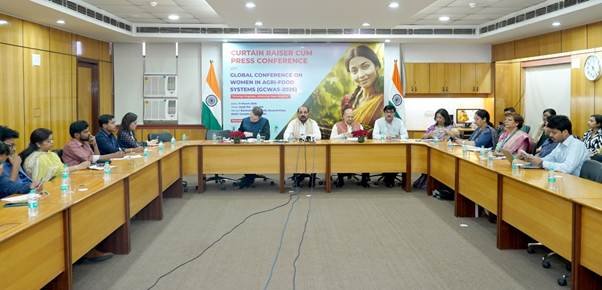

India hosting a global conference on women in agri-food systems highlights the growing focus on rural entrepreneurship and women’s participation in agriculture. The international event brings policymakers, researchers, and entrepreneurs together to discuss how women farmers can drive economic growth and food security.
The conference reflects a broader global effort to strengthen women’s roles in agriculture, food processing, and rural business. In India, where a large portion of agricultural work is performed by women, initiatives like this aim to expand access to funding, training, and market opportunities.
Why Women in Agri-Food Systems Matter for Rural Economies
The focus on women in agri-food systems is closely linked to rural entrepreneurship and economic development. In India, women contribute significantly to farming activities including planting, harvesting, livestock management, and food processing.
Despite their involvement, women farmers have historically faced challenges such as limited land ownership, restricted access to credit, and fewer opportunities for formal training. Conferences and policy discussions around agri-food systems aim to address these structural barriers.
Empowering women farmers can increase agricultural productivity. Studies across multiple regions show that when women have equal access to resources such as training, financing, and technology, farm output and household incomes often improve.
Women also play a central role in small scale food enterprises such as dairy processing, pickles, spices, and packaged traditional foods. These businesses create local employment and support rural supply chains.
Key Themes of the Global Agri-Food Conference
The global conference on women in agri-food systems focuses on several important themes related to agriculture and rural entrepreneurship. One major theme is improving access to financial resources for women entrepreneurs.
Access to credit remains one of the biggest obstacles for women farmers and rural business owners. Discussions often explore ways to expand microfinance programs, cooperative banking, and government backed lending initiatives.
Another key topic is digital agriculture. Technology platforms such as farm advisory apps, online marketplaces, and mobile payment systems are helping women farmers manage production and connect with buyers.
Training and capacity building are also central themes. Programs that provide agricultural education, food processing skills, and business management training help women transition from subsistence farming to entrepreneurship.
These discussions help shape policies that support inclusive agricultural development.
Opportunities for Rural Women Entrepreneurs
India hosting a global conference on women in agri-food systems also highlights the growing opportunities for rural entrepreneurship. Women are increasingly launching businesses in areas such as organic farming, food processing, and agricultural services.
For example, women led self help groups across India produce packaged food products including spices, pickles, flour, and traditional snacks. These products are often sold through local markets, cooperatives, and online platforms.
Another emerging area is value added agriculture. Instead of selling raw crops, entrepreneurs process agricultural produce into packaged goods with higher market value.
Women entrepreneurs are also participating in dairy cooperatives, poultry farming, and horticulture ventures. These activities generate steady income and support local economies.
With improved training and financial support, many rural women are building sustainable businesses linked to agriculture.
Role of Government Programs Supporting Women Farmers
Government programs play an important role in promoting women’s participation in the agri-food sector. Various initiatives provide training, financial assistance, and infrastructure support for rural entrepreneurs.
Self help group networks have been particularly effective in empowering women. These groups allow members to pool savings, access loans, and start small businesses collectively.
Agricultural extension services also provide technical training in areas such as crop management, food processing, and sustainable farming practices. These programs help women farmers improve productivity and expand their income sources.
In addition, rural entrepreneurship programs encourage women to start micro enterprises related to agriculture. Support may include skill development workshops, marketing assistance, and access to cooperative networks.
Such initiatives help transform agriculture into a more inclusive and entrepreneurial sector.
Impact on India’s Agricultural Innovation Ecosystem
The focus on women in agri-food systems is also influencing agricultural innovation. Women entrepreneurs often introduce new approaches to farming and food production based on local knowledge and community needs.
Many rural businesses emphasize sustainable practices such as organic farming, natural fertilizers, and climate resilient crops. These methods help protect soil health and adapt to changing climate conditions.
Women led food processing enterprises also play a role in reducing post harvest losses. By converting surplus produce into packaged foods, these businesses increase the value of agricultural output.
The growing recognition of women’s contributions is encouraging investment in training programs, technology adoption, and rural startup development.
Conferences and global discussions help strengthen collaboration between governments, research institutions, and development organizations working in agriculture.
What the Conference Means for Rural Development
India hosting an international conference on women in agri-food systems signals a broader commitment to inclusive rural development. By bringing together global experts and policymakers, the event creates a platform for sharing best practices and policy solutions.
For rural entrepreneurs, this focus can translate into better access to funding, training, and digital platforms that support agricultural businesses.
Strengthening women’s roles in agriculture also contributes to food security. When women farmers have access to resources and knowledge, agricultural productivity often improves.
Over time, empowering women in the agri-food sector can create stronger rural economies and more resilient farming communities.
Takeaways
Women play a major role in agriculture and food production across rural India.
Global discussions on women in agri-food systems focus on improving access to finance, technology, and training.
Rural entrepreneurship opportunities include food processing, organic farming, and dairy cooperatives.
Government programs and self help groups help women farmers build sustainable agricultural businesses.
FAQs
What are agri-food systems?
Agri-food systems include the entire chain of food production from farming and harvesting to processing, distribution, and consumption.
Why are women important in agriculture?
Women contribute significantly to farming activities and rural food production, making them essential to agricultural productivity and food security.
How can rural women become agri entrepreneurs?
Women can start businesses such as food processing units, dairy enterprises, organic farming ventures, or agricultural service businesses.
Do government programs support women farmers in India?
Yes. Several programs provide financial support, training, and cooperative networks that help women farmers and rural entrepreneurs grow their businesses.