
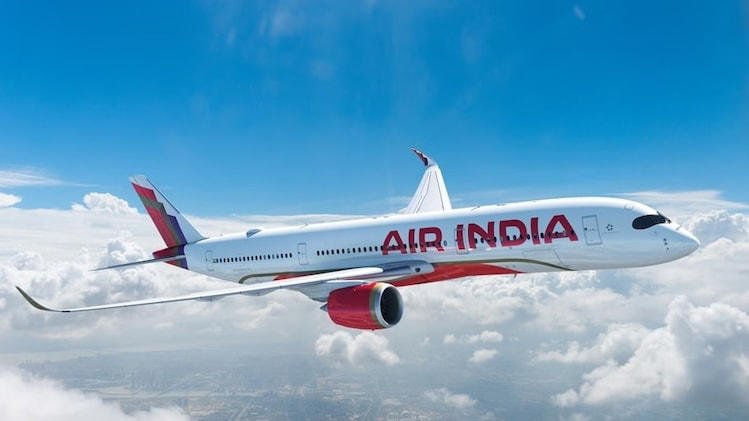

Air India adds special flights to West Asia to address rising passenger demand from India, particularly among travelers heading to Gulf countries for work, business, and family visits. The move improves connectivity for passengers from smaller Indian cities.
Many Indian travelers from Tier 2 and Tier 3 cities depend on West Asia routes for employment and migration opportunities. Additional flights help reduce travel disruptions, manage seasonal demand, and offer more flexible travel options for passengers.
Why Air India Is Increasing Flights to West Asia
Air India adds special flights to West Asia primarily to accommodate growing travel demand between India and Gulf countries. Millions of Indian workers live in nations such as the United Arab Emirates, Saudi Arabia, Oman, Qatar, Bahrain, and Kuwait.
Travel demand on these routes typically increases during specific periods of the year including holidays, school vacations, and major festivals. Workers also travel frequently for contract renewals, family visits, and employment changes.
Airlines often introduce additional services to prevent ticket shortages and extreme fare increases during high demand periods. Special flights help airlines handle passenger traffic without permanently changing their regular schedules.
These flights also support labor migration from India. Workers traveling from smaller towns and cities often depend on connecting flights through major airports to reach West Asian destinations.
Impact on Travelers From Tier 2 and Tier 3 Cities
Travelers from smaller Indian cities often face limited international flight options. Most international routes operate from major hubs such as Delhi, Mumbai, Bengaluru, and Hyderabad.
When Air India adds special flights to West Asia, passengers from Tier 2 cities benefit through improved connecting schedules. Travelers can reach international airports more easily through domestic flights linked to these additional services.
For example, passengers from cities like Nagpur, Indore, Lucknow, and Jaipur often travel to larger airports before boarding international flights. Increased West Asia services reduce waiting times and improve connection availability.
This development also helps migrant workers who frequently travel between India and Gulf countries for employment. More flight options mean passengers can choose schedules that better match work contracts and visa requirements.
Improved connectivity also benefits families visiting relatives working abroad.
Popular Routes Connecting India and West Asia
India has one of the busiest aviation corridors to West Asia. Airlines operate multiple routes linking Indian cities with major Gulf destinations.
Dubai, Abu Dhabi, Doha, Muscat, Kuwait City, and Riyadh are among the most common destinations for Indian passengers. These cities host large Indian communities and offer employment opportunities across construction, healthcare, hospitality, and technology sectors.
Special flights usually operate on high demand routes where regular schedules cannot accommodate passenger volume. Airlines may temporarily increase frequency on certain routes or operate additional charter services.
Passengers traveling from smaller cities often use domestic flights to reach international gateways before boarding long haul services to Gulf destinations.
Air India’s expanded services help manage traffic across this busy corridor.
Ticket Availability and Fare Stability
One important effect of additional flights is improved ticket availability. During peak travel seasons, flights between India and West Asia can become fully booked weeks in advance.
Limited availability often leads to higher ticket prices, especially for last minute travelers. When airlines add special flights, the increase in seat capacity helps stabilize fares.
Travelers benefit from a wider range of booking options and flexible departure times. This is particularly helpful for workers whose travel plans may change depending on visa processing or employer requirements.
Families traveling for personal reasons also gain greater flexibility when booking tickets.
While prices still fluctuate depending on demand, additional flights generally reduce pressure on the most popular routes.
Travel Planning Tips for Passengers
Passengers planning to travel to West Asia should consider several factors before booking flights. Early booking remains the most effective way to secure affordable fares.
Travelers from smaller cities should also review domestic connections carefully. Choosing flights with sufficient transfer time helps avoid missed connections at busy international airports.
Visa requirements and travel documents should be verified before departure. Gulf countries have specific entry rules that may include employment visas, tourist visas, or residency permits.
Passengers should also check baggage allowances and airline policies, especially when traveling with connecting flights.
Monitoring airline announcements can help travelers identify new routes, special flights, and promotional fares.
Importance of West Asia Routes for Indian Aviation
Flights between India and West Asia are among the most significant international routes for Indian airlines. The strong economic relationship between India and Gulf countries drives continuous passenger movement.
Large numbers of Indian workers contribute to infrastructure, healthcare, hospitality, and service industries across the region. This workforce mobility creates consistent demand for air travel.
Business travel also plays a role in this corridor. Companies operating in sectors such as energy, construction, and trade maintain strong links between India and Gulf economies.
By adding special flights, airlines strengthen connectivity and support economic and social ties between the regions.
Improved air travel options also encourage tourism and cultural exchanges.
Takeaways
Air India adds special flights to West Asia to meet rising travel demand from India.
Passengers from Tier 2 and Tier 3 cities benefit through improved connecting flight options.
Additional flights help stabilize ticket availability and reduce extreme fare increases.
India West Asia routes remain among the busiest international aviation corridors.
FAQs
Why are special flights added to West Asia routes?
Airlines introduce additional services to manage high passenger demand and prevent travel disruptions.
Which Gulf cities are commonly connected with India?
Major destinations include Dubai, Abu Dhabi, Doha, Muscat, Riyadh, and Kuwait City.
Do travelers from smaller cities benefit from these flights?
Yes. Additional international flights improve domestic connections and reduce waiting times at major airports.
When should passengers book tickets for West Asia travel?
Booking early usually provides better prices and greater seat availability.