
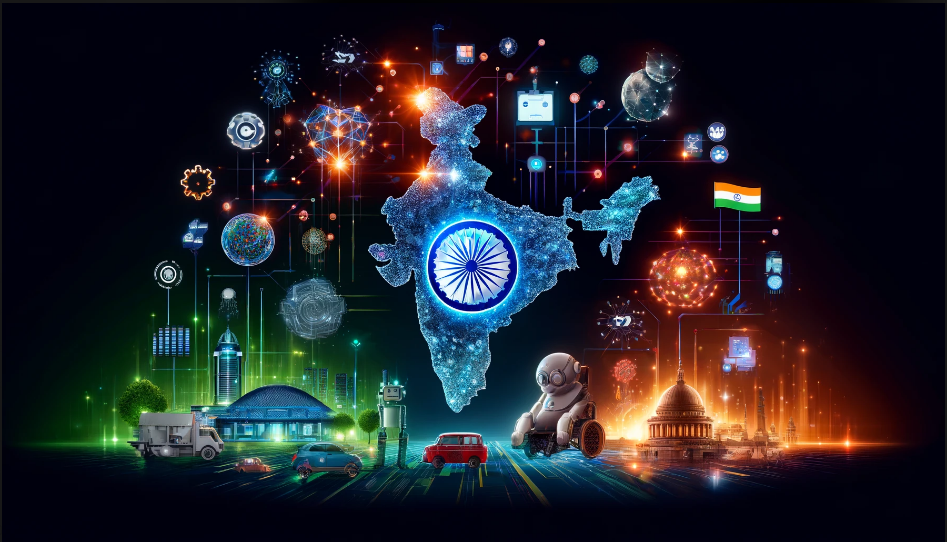

India’s AI policy expansion is entering a new phase as states like Odisha begin rolling out localized tech policies aligned with national goals. This shift is reshaping how artificial intelligence is adopted across governance, industry, and regional economies.
India AI policy expansion has become a time sensitive development, with both central and state governments accelerating efforts to integrate AI into public systems and economic planning. States are no longer waiting for top down implementation and are building their own frameworks.
How India’s AI Policy Expansion Is Evolving
India AI policy expansion is driven by the need to stay competitive in global technology development while addressing domestic challenges. The central government has already outlined broad priorities such as AI infrastructure, skill development, and ethical usage.
In 2026, the focus has shifted toward execution at the state level. Instead of a one size fits all model, states are designing policies that reflect their economic strengths and administrative priorities.
This decentralized approach allows faster adoption. It also ensures that AI solutions are tailored to local needs such as agriculture, healthcare, and urban management.
States like Odisha are emerging as early movers in this transition.
Odisha’s Approach to Local AI Policy Implementation
Odisha AI policy initiatives are centered on practical use cases rather than theoretical frameworks. The state has been focusing on integrating AI into governance, education, and industry support systems.
For example, AI tools are being explored for improving public service delivery, monitoring infrastructure projects, and enhancing data driven decision making. Skill development programs are also being introduced to prepare the local workforce for AI related roles.
Odisha’s strategy includes collaboration with technology partners, academic institutions, and startups. This multi stakeholder approach increases the chances of successful implementation.
The emphasis is on building a sustainable ecosystem rather than isolated projects.
Why States Are Creating Independent Tech Policies
State level tech policy India is gaining importance because technology adoption varies significantly across regions. Economic priorities, infrastructure readiness, and talent availability differ from one state to another.
By creating independent policies, states can focus on sectors where AI can deliver immediate impact. For instance, a state with a strong agricultural base may prioritize AI in crop monitoring and supply chain optimization.
This flexibility also allows faster decision making. States do not need to wait for central approvals for every initiative, enabling quicker pilot programs and scaling.
The result is a more dynamic and responsive technology ecosystem.
Impact on Startups and Local Innovation Ecosystems
AI startup ecosystem India is expected to benefit from this policy expansion. State level initiatives often include incentives such as grants, incubation support, and partnerships with government departments.
Startups working on AI solutions can collaborate directly with state governments to test and deploy their products. This creates real world use cases and accelerates growth.
For example, a startup developing AI tools for healthcare diagnostics can work with state health departments to implement pilot projects. This not only validates the product but also opens up larger opportunities.
Tier-2 cities are likely to see increased startup activity as policies encourage local innovation.
Challenges in Implementing AI Policies at State Level
Despite progress, AI policy implementation India faces several challenges. One major issue is the availability of skilled talent. Many states still lack a workforce trained in advanced AI technologies.
Infrastructure is another concern. High performance computing resources and data management systems require significant investment. Smaller states may face budget constraints.
There is also the need for clear regulatory frameworks to address data privacy, security, and ethical concerns. Without proper guidelines, large scale AI adoption can create risks.
Coordination between central and state policies is essential to avoid fragmentation.
Long Term Implications for India’s Tech Landscape
The expansion of India AI policy at the state level marks a structural shift in how technology is governed and deployed. It indicates a move toward distributed innovation rather than centralized control.
Over time, this approach can lead to:
Stronger regional tech ecosystems
Increased job creation in non metro areas
Faster adoption of AI in public services
If implemented effectively, state driven AI policies can position India as a leader in practical and scalable AI applications.
The success of this model will depend on execution, collaboration, and continuous policy refinement.
Takeaways
India’s AI policy expansion is shifting toward state level implementation
States like Odisha are focusing on practical AI use cases and local needs
Startup ecosystems are likely to benefit from increased government collaboration
Challenges include talent gaps, infrastructure needs, and regulatory clarity
FAQs
What is India’s AI policy expansion about?
It refers to the growing efforts by central and state governments to integrate AI into governance and economic development.
Why are states creating their own AI policies?
To address local needs, accelerate implementation, and focus on region specific opportunities.
How does this impact startups in India?
Startups gain access to government partnerships, funding support, and real world deployment opportunities.
What challenges do states face in implementing AI policies?
Key challenges include lack of skilled talent, infrastructure costs, and regulatory issues.