
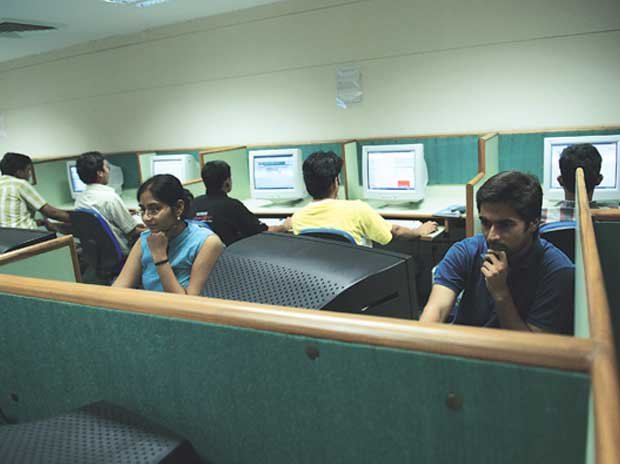

Gorakhpur’s new IT park marks a significant step in expanding India’s tech ecosystem beyond metros. The development is expected to create jobs, attract startups, and position Tier-2 cities as emerging hubs for technology and digital innovation.
Gorakhpur IT Park and India’s Tier-2 Tech Expansion
Gorakhpur IT park is emerging as a strong signal of tech growth in Tier-2 India, reflecting a broader shift in how digital infrastructure is being developed across the country. Traditionally, cities like Bengaluru, Hyderabad, and Pune dominated the IT sector. However, rising costs and saturation in metros are pushing both companies and policymakers to focus on smaller cities.
The new IT park in Gorakhpur is part of this decentralization strategy. It aims to provide modern office infrastructure, connectivity, and support systems required for IT and IT-enabled services. With improved digital connectivity and government-backed initiatives, Tier-2 cities are becoming viable alternatives for businesses looking to expand operations.
This move also aligns with national efforts to distribute economic growth more evenly, reducing migration pressure on metro cities.
Job Creation and Employment Opportunities in Gorakhpur
One of the most immediate impacts of the Gorakhpur IT park is job creation. IT parks typically attract companies in software development, customer support, data processing, and digital services. These sectors require a mix of skilled and semi-skilled workers.
For local youth, this means access to employment opportunities without relocating to bigger cities. Graduates from nearby colleges can now explore careers in technology, business process outsourcing, and related fields within their region.
Indirect employment is another key benefit. Support services such as security, housekeeping, food services, and transportation also see increased demand. This creates a wider employment ecosystem around the IT park.
Over time, as more companies set up operations, job diversity is expected to increase, covering roles in marketing, HR, and management.
Startup Ecosystem Growth in Tier-2 Cities
Gorakhpur IT park is also expected to boost the startup ecosystem in the region. Availability of office space, internet infrastructure, and professional networks makes it easier for entrepreneurs to launch and scale businesses.
Startups in Tier-2 cities often focus on solving local problems, such as logistics, education, healthcare access, and small business digitization. With better infrastructure, these startups can operate more efficiently and reach wider markets.
Government support in the form of incubation centers, funding schemes, and mentorship programs further strengthens this ecosystem. Many IT parks are designed to include co-working spaces and innovation hubs that encourage collaboration.
Lower operational costs compared to metros give startups in cities like Gorakhpur a financial advantage, allowing them to sustain longer during early stages.
Infrastructure Development and Regional Economic Impact
The establishment of an IT park often triggers broader infrastructure development. Roads, public transport, internet connectivity, and utilities are upgraded to support business operations.
In Gorakhpur, such improvements are expected to benefit not just the IT sector but the overall urban environment. Real estate demand typically rises around IT hubs, leading to new residential and commercial projects.
Local businesses such as restaurants, retail stores, and service providers also experience increased demand. This creates a multiplier effect, where one infrastructure project contributes to multiple sectors.
For the state government, this development strengthens regional economic stability and reduces dependence on a few major cities.
Why Companies Are Moving to Tier-2 Cities
The shift of companies towards Tier-2 cities like Gorakhpur is driven by several practical factors. Lower real estate costs, reduced employee attrition, and access to untapped talent pools make these cities attractive.
In metro cities, high operational costs and competition for skilled workers can limit growth. Tier-2 cities offer a more balanced environment, where companies can scale operations without facing the same level of pressure.
Improved digital infrastructure and government incentives also play a role. Policies encouraging investment in smaller cities are making it easier for companies to set up offices and expand services.
This trend is not limited to Gorakhpur. Similar developments are being observed in cities like Indore, Bhubaneswar, and Coimbatore, indicating a broader shift in India’s economic landscape.
Challenges and Future Outlook for Gorakhpur IT Park
While the Gorakhpur IT park presents strong opportunities, there are challenges that need attention. Talent retention can be an issue if local skill levels do not match industry requirements. Continuous skill development and training programs are essential.
Connectivity and infrastructure must be maintained consistently to meet corporate standards. Any gaps in power supply, internet speed, or transport can impact business operations.
Despite these challenges, the long-term outlook remains positive. As more companies establish a presence, the ecosystem is likely to mature, attracting further investment and talent.
The success of this IT park could serve as a model for similar projects across India, accelerating the growth of Tier-2 tech hubs.
Takeaways
• Gorakhpur IT park reflects the shift of tech growth to Tier-2 cities
• It is expected to create both direct and indirect employment opportunities
• The project can boost local startups and entrepreneurship
• Infrastructure development around the IT park will impact multiple sectors
FAQs
Q1: What is the purpose of the Gorakhpur IT park?
The IT park aims to attract technology companies, create jobs, and support regional economic development.
Q2: How will it benefit local youth?
It will provide job opportunities in IT and related sectors, reducing the need to migrate to metro cities.
Q3: Will startups benefit from this development?
Yes, improved infrastructure and support systems will make it easier for startups to grow in the region.
Q4: Are other Tier-2 cities seeing similar growth?
Yes, cities like Indore and Bhubaneswar are also emerging as technology hubs.