
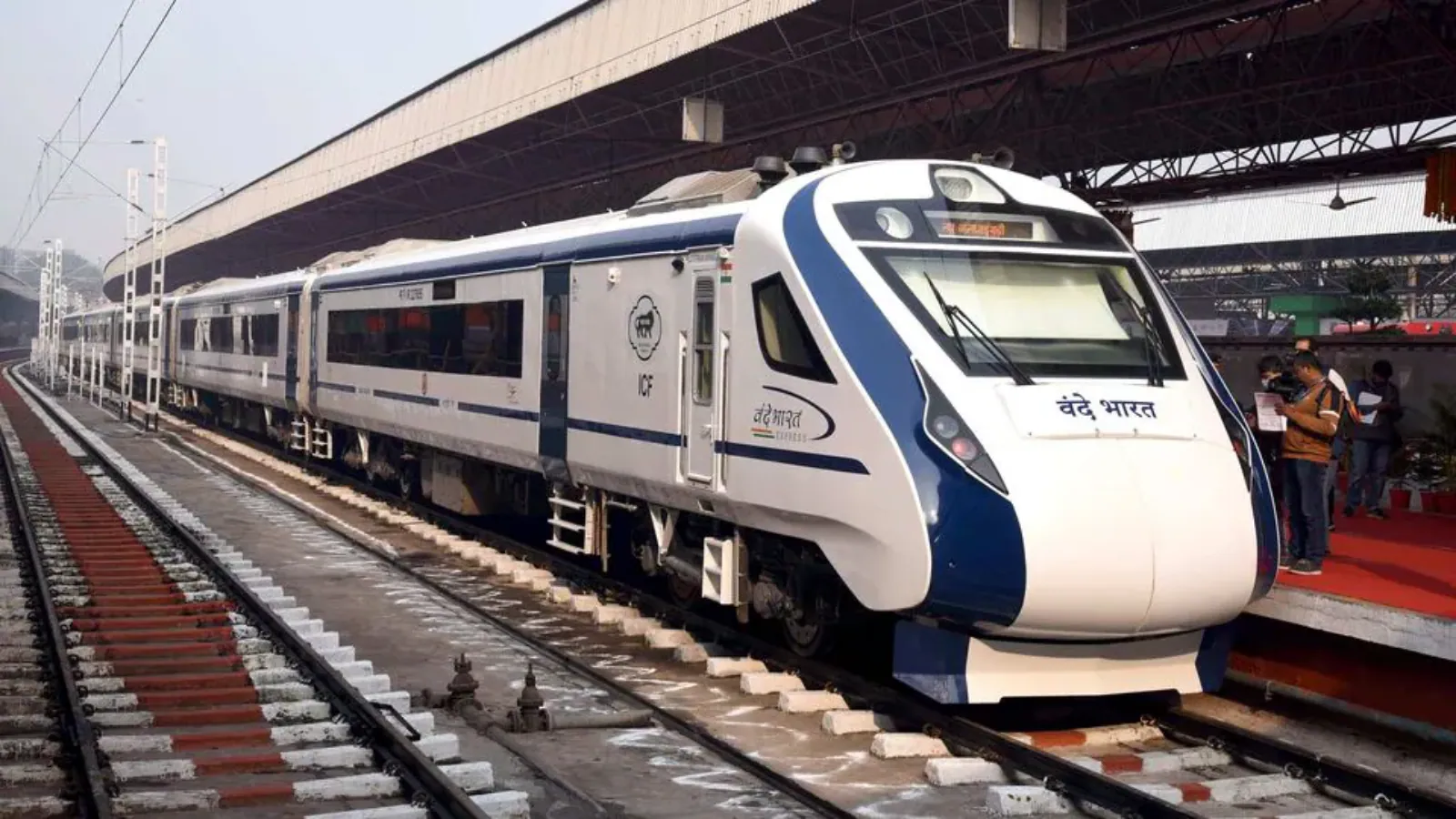

Indian Railways Vande Bharat routes expansion is strengthening connectivity between Tier-2 cities, making semi-high-speed travel more accessible. The latest announcements focus on improving intercity travel time, boosting regional mobility, and supporting economic activity across emerging urban centers.
The introduction of new Vande Bharat Express routes by Indian Railways reflects a continued push toward modernizing passenger transport. These trains, known for faster speeds and improved onboard facilities, are now being deployed beyond metro corridors to connect smaller but high-growth cities.
Why Vande Bharat Expansion Is Focused on Tier-2 Cities
The expansion of Vande Bharat routes into Tier-2 cities is a strategic move aimed at decentralizing infrastructure development. Earlier routes primarily connected major metros, but demand patterns have shifted.
Cities like Indore, Nagpur, Ranchi, and Patna have seen rising passenger volumes due to business travel, education, and migration. Faster rail connectivity helps reduce travel time significantly compared to conventional trains.
This move also aligns with broader government initiatives to improve regional connectivity and reduce pressure on road and air transport. Semi-high-speed trains offer a balance between affordability and efficiency, making them ideal for mid-distance routes.
Newly Announced Routes and Key Connections
Recent announcements indicate that new Vande Bharat routes will connect important Tier-2 corridors such as Nagpur to Bilaspur, Indore to Bhopal, and Patna to nearby regional hubs. These routes are selected based on passenger demand and economic activity.
The inclusion of Nagpur as a key node highlights its growing importance as a central logistics and transport hub. Similarly, cities in eastern and central India are being integrated into faster rail networks.
These trains typically operate at speeds of up to 160 km per hour, although actual speeds depend on track conditions. Even with current infrastructure, they significantly cut travel time on busy routes.
Railway authorities are also working on upgrading tracks and signaling systems to support higher speeds in the future.
Features and Passenger Benefits of Vande Bharat Trains
Vande Bharat Express trains offer several upgrades over traditional trains. These include faster acceleration, modern coaches, automatic doors, and improved seating comfort.
Passengers benefit from reduced travel time, better onboard amenities, and enhanced safety features. The trains are equipped with GPS-based passenger information systems and bio-vacuum toilets.
For daily commuters and business travelers in Tier-2 cities, this translates into more efficient travel without relying on flights. Ticket pricing is generally higher than standard trains but remains competitive compared to air travel.
The improved experience is expected to attract more passengers who previously preferred private transport.
Economic and Regional Impact of New Rail Connectivity
Improved rail connectivity can directly influence regional economic growth. Faster transport links enable smoother movement of people, goods, and services.
For cities connected by Vande Bharat routes, this can lead to increased tourism, business activity, and investment. Industries benefit from better access to markets and skilled workforce.
Local businesses such as hotels, restaurants, and transport services often see increased demand due to higher passenger traffic. This creates indirect employment opportunities in addition to direct railway jobs.
The expansion also supports balanced urban development by reducing the need for migration to metro cities.
Challenges and Infrastructure Limitations
Despite the benefits, there are challenges in scaling Vande Bharat operations. Track infrastructure in many regions is not yet fully optimized for high-speed travel.
Upgrading rail lines, signaling systems, and safety mechanisms requires significant investment and time. Delays in these upgrades can limit the full potential of these trains.
Another concern is affordability for regular passengers. While the service offers premium features, pricing needs to remain accessible for wider adoption.
Maintenance and operational efficiency will also play a key role in sustaining performance as more routes are added.
What This Means for Future Rail Travel in India
The expansion of Vande Bharat routes signals a shift toward faster and more efficient rail travel across India. By focusing on Tier-2 cities, Indian Railways is addressing a growing segment of travelers who need reliable intercity connectivity.
This approach supports long-term goals of reducing travel time, improving passenger experience, and promoting sustainable transport. It also complements other infrastructure projects such as highways and regional airports.
As more routes are introduced and infrastructure improves, semi-high-speed rail could become the preferred mode of travel for medium-distance journeys.
Takeaways
• Vande Bharat routes are expanding to connect Tier-2 cities across India
• Faster travel and modern सुविधाएं are improving passenger experience
• New routes can boost local economies and regional connectivity
• Infrastructure upgrades remain critical for long-term success
FAQs
Q1. What is the speed of Vande Bharat trains?
They can reach speeds of up to 160 km per hour depending on track conditions.
Q2. Which cities are being connected by new routes?
Tier-2 cities like Nagpur, Indore, Patna, and others are being included.
Q3. Are Vande Bharat tickets expensive?
They are priced higher than regular trains but remain cheaper than flights.
Q4. Why is the focus shifting to smaller cities?
To improve regional connectivity and support economic growth beyond metros