
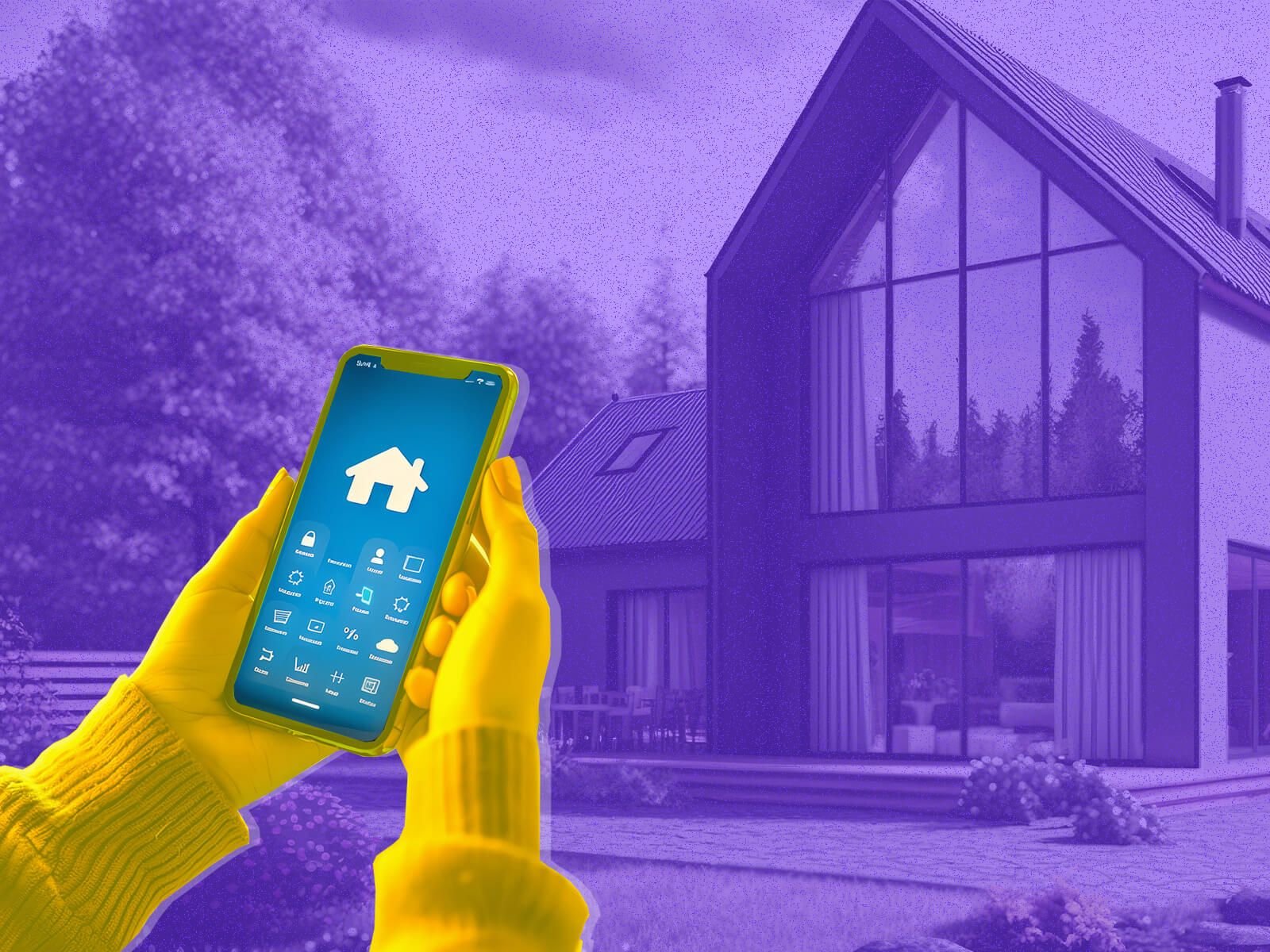

Reducing electricity bills using smart devices has become a practical strategy for Indian households in 2026, especially with rising power costs and wider access to affordable technology. Smart appliances and automation tools now help monitor and control energy usage efficiently.
Why Smart Devices Matter for Energy Savings in 2026
Reducing electricity bills using smart devices is no longer limited to premium homes. With increased adoption of IoT-based appliances and falling device costs, even households in Tier-2 cities are shifting toward energy-efficient solutions.
Smart devices work by optimizing electricity consumption through automation and real-time monitoring. For example, smart plugs can cut power to devices when not in use, while smart meters track usage patterns. According to energy efficiency data, standby power can account for up to 5 to 10 percent of total household electricity consumption, which smart systems can reduce significantly.
Government-backed awareness programs and energy labeling by the Bureau of Energy Efficiency have also contributed to the adoption of efficient appliances.
Smart Lighting Solutions for Lower Power Consumption
One of the easiest ways to reduce electricity bills is by upgrading lighting systems. LED bulbs already consume up to 80 percent less electricity than traditional incandescent bulbs. Adding smart lighting takes this a step further.
Smart bulbs and motion sensors ensure lights are used only when needed. You can automate schedules or control them remotely using mobile apps. This is especially useful in areas like hallways, balconies, or outdoor spaces where lights are often left on unnecessarily.
Smart lighting systems also allow brightness control, which reduces energy consumption without affecting usability.
Using Smart Plugs and Power Strips Effectively
Smart plugs are among the most cost-effective tools for reducing electricity usage. These devices allow you to control appliances remotely and schedule their operation.
Many appliances such as televisions, routers, and chargers consume power even when turned off. Smart plugs can eliminate this standby consumption by completely cutting off electricity supply.
For example, setting a schedule to turn off entertainment systems at night can lead to measurable monthly savings. Over time, these small optimizations add up.
Smart Appliances and Energy Efficient Upgrades
Upgrading to energy-efficient smart appliances is a long-term strategy. Devices like smart air conditioners, refrigerators, and washing machines adjust their performance based on usage patterns.
Air conditioners, which are among the highest energy-consuming appliances in Indian homes, now come with inverter technology and smart controls. These systems regulate cooling based on room conditions, reducing unnecessary power usage.
When buying appliances, always check for BEE star ratings. Higher-rated appliances consume less electricity and provide better efficiency over time.
Real-Time Monitoring with Smart Meters and Apps
Monitoring electricity usage is essential for controlling it. Smart meters and mobile apps provide real-time insights into consumption patterns.
These tools help identify which appliances consume the most electricity and at what times. For instance, you may notice peak usage during evening hours due to simultaneous use of multiple devices.
Once you have this data, you can adjust habits such as staggering appliance usage or reducing peak load, which directly impacts your electricity bill.
Automating Daily Energy Habits
Automation is where smart devices deliver maximum value. Setting routines such as turning off lights during the day or limiting air conditioner usage during cooler hours can significantly reduce consumption.
Voice assistants and home automation systems can integrate multiple devices, allowing centralized control. Even simple automation like setting timers for geysers or water pumps can prevent unnecessary usage.
These changes require minimal effort once set up but provide consistent savings over time.
Challenges and Cost Considerations
While smart devices offer clear benefits, initial costs can be a concern. However, entry-level products like smart plugs and LED systems are now affordable and widely available.
Compatibility between devices can also be an issue, so it is advisable to choose products within the same ecosystem when possible.
The key is to start small and scale gradually based on savings and usage patterns.
Takeaways
Smart devices help reduce electricity bills by optimizing and automating usage
Lighting upgrades and smart plugs offer the quickest return on investment
Real-time monitoring helps identify high consumption patterns effectively
Gradual adoption makes smart home solutions affordable for most households
FAQs
Do smart devices really reduce electricity bills significantly?
Yes, especially by eliminating standby power usage and optimizing appliance operation.
What is the cheapest smart device to start with?
Smart plugs and LED bulbs are the most affordable and effective starting points.
Are smart appliances necessary for savings?
Not जरूरी, but they provide better long-term efficiency compared to traditional appliances.
Is internet required for smart devices to work?
Most smart devices require internet for remote control, but basic functions may still work offline.