
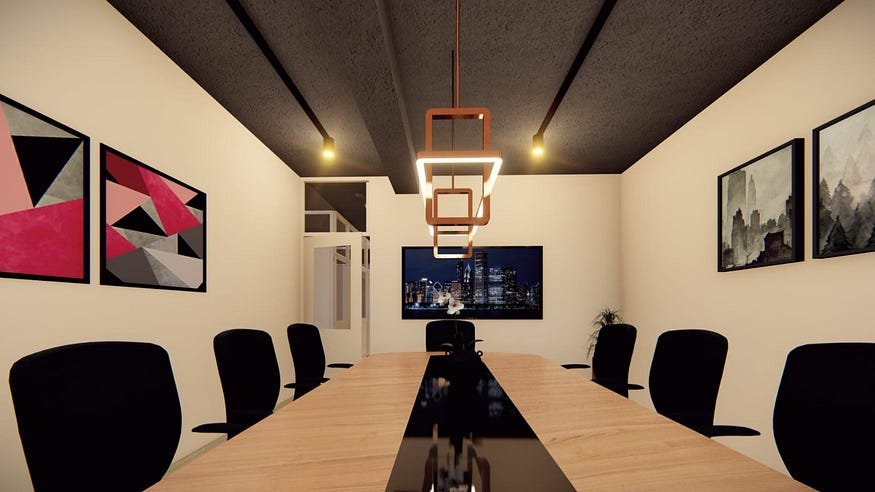

Accessing affordable co-working spaces in Tier-2 cities has become easier in 2026 as flexible work trends expand beyond metros. Startups, freelancers, and remote workers now have access to budget-friendly workspaces with professional infrastructure across smaller Indian cities.
Why Co-Working Spaces Are Growing in Tier-2 India
Accessing affordable co-working spaces in Tier-2 cities is no longer a challenge due to the rapid expansion of flexible office providers. The shift toward remote work after 2020 has led companies and entrepreneurs to explore cost-effective alternatives outside metro cities.
Operators like Awfis and WeWork have expanded selectively into emerging cities, while local players have built smaller, more affordable setups tailored to regional demand.
Lower rentals and operational costs in Tier-2 cities allow these spaces to offer competitive pricing, making them attractive for freelancers, early-stage startups, and small teams.
Step 1: Identify Your Workspace Needs Clearly
Before choosing a co-working space, define your requirements. Consider factors such as daily usage, team size, internet reliability, and meeting room access.
Freelancers may only need a hot desk for a few hours a day, while startups may require dedicated desks or private cabins. Understanding your usage pattern helps avoid overpaying for unused facilities.
Also consider proximity to your home, as commute convenience plays a major role in long-term usability.
Step 2: Explore Online Platforms and Local Listings
Several online platforms list co-working spaces across India. Websites and apps provide filters based on location, pricing, and amenities.
Search for city-specific options on Google Maps and local business directories. Many Tier-2 co-working spaces are not heavily advertised but operate with strong local networks.
Social media groups and startup communities often share recommendations for affordable spaces that may not appear on major platforms.
Step 3: Compare Pricing Models and Membership Plans
Co-working spaces offer multiple pricing options. Common plans include hourly passes, daily access, monthly memberships, and dedicated office setups.
In Tier-2 cities, hot desks can start as low as ₹200 to ₹500 per day, while monthly plans are significantly cheaper than metro cities. Some providers also offer discounts for long-term commitments.
Always compare what is included in the price, such as internet speed, power backup, printing services, and access to meeting rooms.
Step 4: Evaluate Infrastructure and Amenities
Affordable pricing should not come at the cost of essential infrastructure. Reliable high-speed internet is critical, especially for remote work and digital businesses.
Check for power backup, ergonomic seating, air conditioning, and security. Visit the space if possible before committing. Photos online may not reflect actual conditions.
Additional amenities like pantry services, networking events, and parking can add value without significantly increasing cost.
Step 5: Leverage Local Startup Ecosystems and Incubators
Many Tier-2 cities now have incubation centres linked to colleges, government programs, or startup missions. These spaces often provide subsidised or free co-working facilities.
Programs under initiatives like Startup India and local state startup policies support entrepreneurs by offering workspace along with mentorship.
Joining these ecosystems can reduce costs while providing access to networking and funding opportunities.
Step 6: Negotiate and Opt for Flexible Plans
Unlike metro cities, co-working providers in smaller towns are often open to negotiation. You may get better pricing for longer commitments or group bookings.
Flexible plans allow you to scale usage based on business needs. This is especially useful for freelancers or early-stage startups with fluctuating workloads.
Avoid locking into long-term contracts unless you are confident about consistent usage.
Common Challenges and Practical Solutions
One common issue is limited availability in smaller cities. To address this, consider hybrid setups where you combine home working with occasional co-working access.
Another challenge is inconsistent service quality. Always test the space for a day before committing to monthly plans.
Building relationships with local operators can also help secure better deals and priority access.
Takeaways
Tier-2 cities offer significantly more affordable co-working options than metros
Local listings and startup communities are key discovery channels
Infrastructure quality should be prioritised over just low pricing
Flexible plans and negotiation can further reduce costs
FAQs
Are co-working spaces available in all Tier-2 cities?
Availability varies, but most growing cities now have at least a few options.
What is the average cost of co-working in smaller cities?
Daily passes can start around ₹200, while monthly plans are much cheaper than metro rates.
Can students or freelancers use co-working spaces?
Yes, most spaces are open to individuals, freelancers, and small teams.
Is it better than working from home?
It depends on your needs, but co-working spaces offer better focus, networking, and professional infrastructure.