
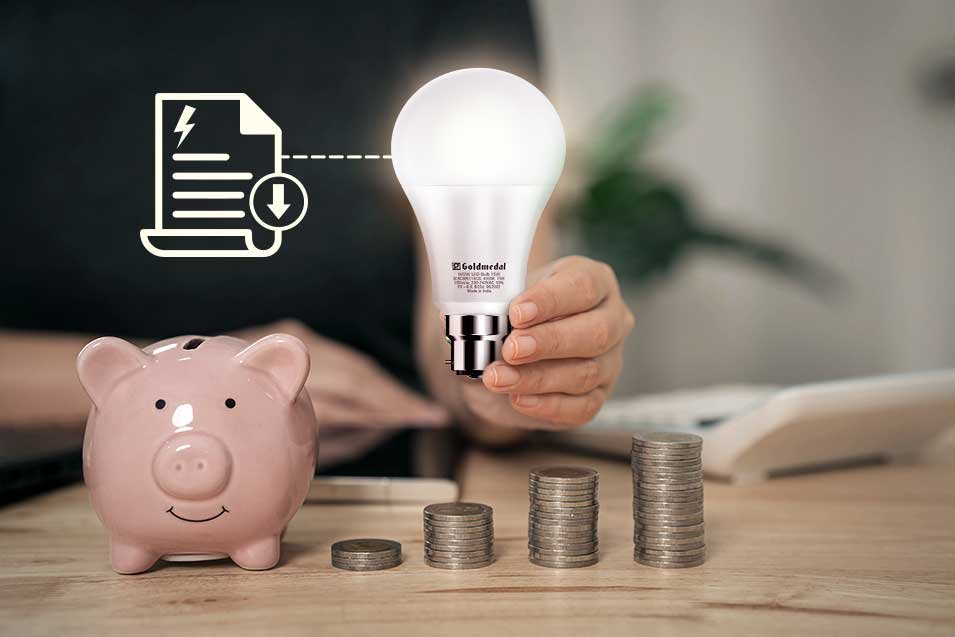

Reducing electricity bills during peak summer has become essential for Indian households as temperatures rise and cooling usage increases. With higher dependence on air conditioners, coolers, and fans, electricity consumption spikes sharply, leading to expensive monthly bills if not managed efficiently.
Why Electricity Bills Increase During Summer in India
Reducing electricity bills during peak summer starts with understanding why costs rise. According to data from the Central Electricity Authority, electricity demand in India reaches its highest levels during summer months due to cooling needs.
Air conditioners and refrigerators consume the most electricity, especially when used continuously. In urban and Tier-2 cities, prolonged heatwaves increase appliance usage even during night hours.
Inefficient appliances, poor insulation, and improper usage habits further add to consumption. Identifying these factors helps in taking targeted steps to reduce bills.
Optimising Air Conditioner Usage for Lower Power Consumption
Air conditioners are the biggest contributors to high electricity bills. Setting the temperature between 24 to 26 degrees Celsius is considered optimal for both comfort and energy efficiency.
Using energy-efficient models such as inverter ACs can significantly reduce power consumption. Regular maintenance, including cleaning filters and servicing units, ensures better performance.
Avoid frequent switching on and off, as this increases load. Instead, maintain a stable temperature and use timers to control usage during sleeping hours.
Combining AC use with ceiling fans can also improve cooling while reducing overall electricity usage.
Using Fans, Coolers, and Natural Ventilation Effectively
Fans and air coolers consume less electricity compared to air conditioners. Using them strategically can help lower overall energy consumption.
Cross ventilation is an effective method to cool indoor spaces naturally. Opening windows during early morning and late evening allows fresh air circulation.
Using exhaust fans to remove hot air from kitchens and closed rooms also helps maintain indoor temperature.
In many cases, combining natural ventilation with fans can reduce the need for air conditioning during moderate heat conditions.
Switching to Energy-Efficient Appliances and Lighting
Replacing old appliances with energy-efficient models can have a long-term impact on electricity bills. Appliances with higher energy ratings consume less power for the same output.
LED bulbs and tube lights use significantly less electricity compared to traditional lighting. They also generate less heat, which indirectly reduces cooling requirements.
Refrigerators should be used efficiently by avoiding frequent door opening and maintaining proper temperature settings.
Investing in energy-efficient appliances may have an initial cost but results in consistent savings over time.
Managing Peak Hour Electricity Usage
Electricity tariffs in some regions vary based on usage during peak hours. Reducing consumption during these periods can help control bills.
Heavy appliances such as washing machines, irons, and water heaters should be used during early morning or late evening when demand is lower.
Staggering appliance usage instead of running multiple devices simultaneously reduces load and improves efficiency.
Planning daily routines around energy usage can make a noticeable difference in monthly expenses.
Improving Home Insulation and Heat Control
Proper insulation helps keep indoor spaces cooler, reducing the need for excessive cooling. Using curtains, blinds, or reflective films on windows blocks direct sunlight.
Roof cooling methods such as applying white reflective paint or using insulating materials can reduce heat absorption.
Simple practices like closing doors to unused rooms and sealing gaps prevent cool air from escaping.
These measures improve overall energy efficiency without increasing electricity consumption.
Monitoring Usage and Adopting Smart Habits
Tracking electricity usage helps identify areas where consumption can be reduced. Smart meters and energy monitoring apps provide real-time insights into usage patterns.
Turning off appliances when not in use and unplugging devices prevents unnecessary power consumption. Standby power usage may seem small but adds up over time.
Developing habits such as using natural light during the day and limiting unnecessary appliance use contributes to long-term savings.
Consistent monitoring and small changes lead to significant reductions in electricity bills.
Takeaways
• Set AC temperatures efficiently and maintain appliances regularly
• Use fans and natural ventilation to reduce dependence on AC
• Switch to energy-efficient appliances and LED lighting
• Monitor usage and avoid unnecessary power consumption
FAQs
What is the ideal AC temperature to save electricity?
Setting the AC between 24 to 26 degrees Celsius balances comfort and energy efficiency.
Do LED lights really reduce electricity bills?
Yes, LED lights consume less power and last longer compared to traditional bulbs.
How can I reduce electricity usage without AC?
Use fans, coolers, and natural ventilation to maintain comfort during moderate heat.
Does unplugging appliances help save electricity?
Yes, unplugging prevents standby power consumption and reduces overall usage.